

Views: 0 Author: Site Editor Publish Time: 2025-06-11 Origin: Site


In the dairy processing industry, yogurt production stands out as a delicate and science-driven process where precision and control are essential to delivering high-quality products. One of the most critical phases in yogurt manufacturing is the fermentation stage, which largely determines the final taste, texture, and health benefits of the yogurt. At YGT, a leading food machinery supplier from China with over 10 years of experience in the juice and dairy industries, we understand the importance of advanced fermentation control in yogurt processing lines. Our cutting-edge solutions ensure that manufacturers can produce premium yogurts consistently, efficiently, and hygienically.
Fermentation is the cornerstone of yogurt manufacturing. It involves converting milk sugars into lactic acid using bacterial cultures, creating the unique tangy flavor and thick texture that yogurt is known for. This stage defines not only the taste and texture but also the probiotic qualities of the final product, which are increasingly valued by health-conscious consumers worldwide.
The fermentation process is extremely sensitive to factors such as time, temperature, and the specific bacterial cultures used. Small deviations in these parameters can significantly affect the yogurt’s quality. For example, insufficient fermentation time may result in a product that is too mild or liquidy, while over-fermentation can cause excessive acidity and spoilage.
Furthermore, fermentation is a key step for differentiating yogurt types, whether it’s traditional set yogurt, stirred yogurt, or more specialized varieties like Greek yogurt. Each type requires precise control to achieve its distinct characteristics, from firmness to creaminess.
YGT’s yogurt processing lines are designed to maintain stringent control over these critical parameters, ensuring consistent batch-to-batch quality and meeting the growing demands of dairy producers globally.
Starter cultures are the living bacteria that drive the fermentation process in yogurt production. Typically, these include strains of Lactobacillus and Streptococcus species. The selection of these strains directly influences the acidity, sweetness, digestibility, and overall sensory profile of the yogurt.
Different bacterial strains can produce varying levels of lactic acid and other metabolites, impacting the yogurt’s flavor and texture. For instance, some strains enhance sweetness or reduce bitterness, while others improve the yogurt’s probiotic health benefits by supporting gut flora.
Maintaining culture viability is crucial. YGT’s yogurt processing equipment incorporates advanced culture preservation and delivery systems that introduce the starter culture at the optimal stage and temperature. This precision prevents the cultures from dying prematurely and ensures they perform efficiently during fermentation.
Moreover, YGT’s dairy processing lines support the flexibility needed to work with various starter cultures, allowing producers to innovate and customize their yogurt products to meet specific market preferences.
Temperature management is one of the most vital aspects of the fermentation stage. Yogurt fermentation typically requires maintaining the milk at a temperature range optimal for bacterial growth, usually between 40°C and 45°C (104°F - 113°F). Precise temperature control influences fermentation speed and acid production, directly affecting the yogurt’s quality.
YGT’s yogurt processing lines feature integrated pre-heating and cooling phases, ensuring that milk enters fermentation tanks at the right temperature. Real-time temperature monitoring is achieved through advanced sensors and control systems installed within fermentation tanks, allowing for immediate adjustments.
This precise temperature control is essential to prevent over-acidification, which can lead to undesirable sourness, or under-fermentation, which yields weak flavor and texture. Additionally, careful cooling after fermentation helps to halt bacterial activity at the perfect moment, preserving the yogurt’s freshness and probiotic properties.
Our dairy processing lines, including fresh pasteurized milk bottling lines and flavored milk processing lines, are engineered with similar temperature precision, showcasing YGT’s expertise in temperature-sensitive dairy product manufacturing.
Texture is a key differentiator in yogurt products, influencing consumer preferences and market segmentation. The three most common yogurt styles—stirred, set, and Greek-style—each require different processing techniques to achieve their unique textures.
Set Yogurt: This type ferments in the container, creating a firm, gel-like texture. The processing line must ensure minimal disturbance during fermentation to preserve this texture.
Stirred Yogurt: This yogurt is fermented in bulk tanks and then stirred to create a smoother, creamier texture. Viscosity control is critical here, often achieved through mechanical stirring and the addition of stabilizers.
Greek Yogurt: Known for its thick and creamy consistency, Greek yogurt undergoes additional steps like straining or ultrafiltration to remove whey and concentrate proteins.
YGT’s yogurt processing lines provide manufacturers with the flexibility to produce all these types. Our equipment includes homogenization steps and stabilizer dosing systems that help control viscosity and prevent separation, ensuring that the final product meets strict texture standards.
By offering customizable processing modules, YGT enables dairy producers to expand their product lines and cater to diverse consumer tastes efficiently.
Maintaining hygiene after fermentation is critical to preserve the live probiotic cultures and ensure product safety. The handling and packaging processes must be aseptic to avoid contamination while protecting the beneficial bacteria.
YGT’s yogurt processing lines integrate aseptic filling systems that minimize microbial contamination risks during packaging. These systems carefully balance sterilization techniques to keep the yogurt safe without killing the live cultures essential for probiotic benefits.
Cleaning in place (CIP) technology is another vital feature in our dairy machinery, allowing thorough sanitation of tanks and pipelines without dismantling. This ensures continuous production with minimal downtime while adhering to strict hygiene standards.
Our equipment also supports packaging solutions that maintain the product’s freshness and extend shelf life, important for both domestic and export markets.
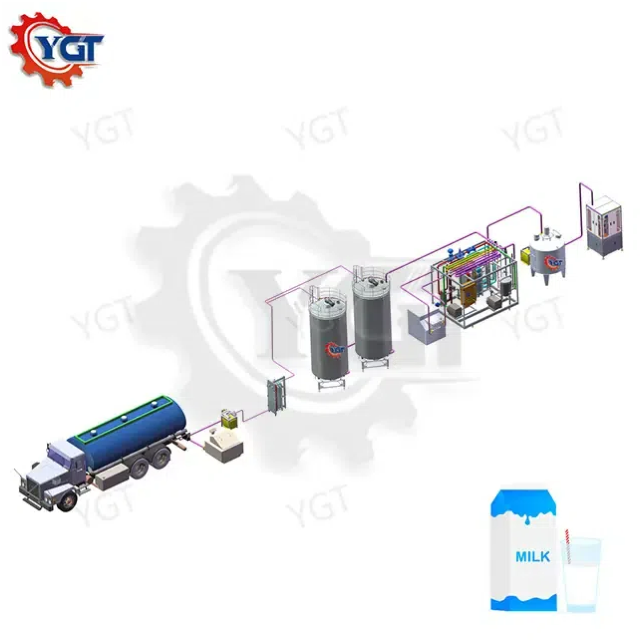
In today’s competitive dairy market, controlling the fermentation stage with precision is fundamental to producing premium yogurt. Advanced fermentation control impacts not only the taste and health benefits but also the shelf life and brand differentiation. Yogurt that is consistent in quality and rich in probiotic value attracts loyal consumers and elevates a brand’s reputation.
YGT, with over a decade of experience in dairy processing, offers state-of-the-art yogurt processing lines designed to optimize fermentation control, hygiene, and product variety. Our innovative solutions empower dairy manufacturers to meet growing consumer demands for delicious, nutritious, and high-quality yogurt products.
If you are looking to enhance your dairy production capabilities with reliable, efficient, and flexible processing lines — from milk powder production lines to fresh pasteurized milk bottling lines and specialized yogurt processing lines — YGT is your trusted partner.
Contact us today to learn more about our dairy processing equipment and how we can support your business growth in the global dairy market.


