

Views: 0 Author: Site Editor Publish Time: 2026-03-25 Origin: Site


A sterilization cycle may be completed exactly as planned, yet hygiene risks can still build up if the Sterilization Kettle itself is not cleaned properly between production runs. For packaged food and beverage manufacturers, cleaning is not only about appearance or routine maintenance. It is part of keeping the equipment reliable, preserving stable operating conditions, and supporting safe production over time. Shanghai QingJi Beverage Machinery Co., Ltd. provides practical thermal processing solutions for packaged food and beverage lines, and proper cleaning is one of the keys to getting consistent long-term performance from this kind of equipment.
A Sterilization Kettle is used for sealed products, but that does not mean the equipment stays clean by itself. During daily operation, water, steam, product drips, package residue, mineral deposits, and moisture can remain inside the chamber or around connected parts of the system. Over time, these residues can affect hygiene conditions and create a less controlled production environment.
This matters because food processing equipment should stay clean not only where the product is visible, but throughout the areas that influence operation. If water circulation paths, trays, or inner surfaces are not cleaned regularly, scale, stains, and hidden residue may build up. That can make later cleaning harder and may also affect daily production discipline.
Many factories treat cleaning as something done only to keep the equipment usable. In practice, it is part of process control. A clean Sterilization Kettle supports more stable operation, makes inspection easier, and helps the team spot problems before they grow into maintenance issues.
Cleaning also supports consistency. When the machine is kept in good condition, spray performance, drainage, sealing condition, and overall chamber cleanliness are easier to manage. This helps the factory keep a better standard in day-to-day production instead of reacting only after a problem appears.
The inside of the kettle chamber is the most obvious area to clean, but it is not the only one that matters. Spray pipes, spray nozzles, circulation passages, and drainage zones should also be checked carefully. These areas may collect scale, small residue, or moisture deposits during repeated use.
If spray holes become blocked or drainage areas are left dirty, future sterilization cycles may not run under equally stable conditions. That does not always create an immediate visible failure, but it can gradually weaken performance and make the equipment harder to manage. Good cleaning should therefore include the full working path of water and heat inside the machine.
The loading accessories also need regular attention. Trays, baskets, racks, and supports are in constant contact with packaged products and with the hot, wet environment inside the kettle. If they are not cleaned properly, they can carry residue, water marks, or surface contamination into the next production cycle.
Door seals and contact areas are equally important. These sections are exposed to repeated opening, closing, pressure, and moisture. If dirt or residue remains around the seal, it can affect cleanliness and may also make wear or leakage problems harder to notice. Daily cleaning is one of the simplest ways to keep these critical areas under control.
A practical cleaning routine normally begins after the production cycle is complete and the equipment has been safely emptied. Remaining water, loose debris, and visible residue should be removed first. After that, the chamber and related areas can be rinsed and washed to clear away stains, buildup, and process moisture left from the working day.
Once washing is finished, the system should be checked for cleanliness and allowed to dry properly or be ventilated as needed. Drying matters because trapped moisture can remain in corners, seals, or drainage zones and may lead to odor, mineral deposits, or hygiene concerns over time. A simple, regular sequence helps the factory maintain good sanitation without making the task unnecessarily complicated.
Cleaning should be effective, but it should not be rough. The goal is to remove residue thoroughly without damaging the chamber surface, nozzles, seals, or fittings. Overly aggressive cleaning methods can reduce equipment life just as surely as poor cleaning can reduce hygiene quality.
That is why operators should focus on consistency instead of force. A properly maintained routine is usually better than occasional heavy cleaning after long neglect. For manufacturers running daily production, steady and careful cleaning is what supports reliable long-term equipment condition.
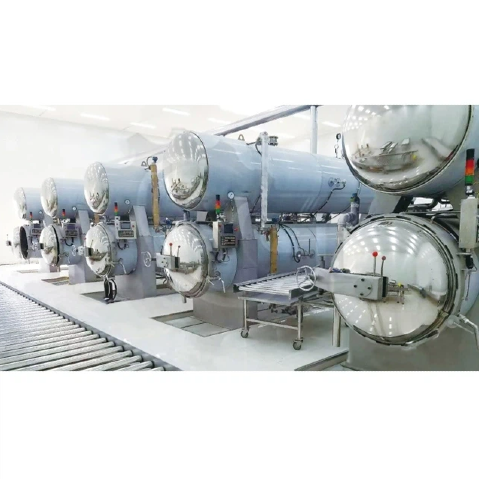
Cleaning time is also inspection time. Operators should look at spray holes, water circulation areas, and visible internal pathways to confirm they are clear and free from unusual buildup. Scale is especially important to watch because it can gradually affect spray performance and heating uniformity.
Even small deposits can become larger problems if they are ignored over many cycles. A blocked nozzle or dirty circulation zone may not seem serious at first, but it can make the system less stable and harder to manage later. Regular checks during cleaning help prevent that slow decline.
Operators should also pay attention to door seals, sensor areas, and visible surface condition during cleaning. Discoloration, trapped residue, unusual wear, or moisture in the wrong place may be early signs that the machine needs closer attention.
This does not turn cleaning into a complicated technical inspection. It simply means using the cleaning routine as a practical chance to notice changes in condition. In many factories, this habit helps prevent minor issues from becoming costly downtime.
One common mistake is focusing only on the large and visible chamber surfaces while ignoring hidden moisture points and drainage areas. Water left in drains, corners, or hard-to-see sections can become a long-term hygiene issue if it is not removed properly.
This is especially true in busy production environments where operators may want to finish quickly and move on. Fast cleaning is not always poor cleaning, but rushed cleaning often misses the less visible areas that matter most over time.
Another mistake is using cleaning methods that are not suitable for the equipment, or simply skipping regular cleaning checks because the machine appears to be working normally. A Sterilization Kettle may continue operating even when cleaning discipline has weakened, but that does not mean conditions are ideal.
Irregular routines can lead to gradual buildup, more difficult future cleaning, and reduced long-term reliability. A stable schedule is usually more effective than occasional deep cleaning done only after visible problems appear. In food and beverage production, steady care is almost always the better approach.
For most routine production environments, cleaning should be carried out at planned intervals, often after daily operation or according to the production schedule. Regular cleaning keeps the equipment in a more controlled condition and helps prevent residue from hardening or becoming more difficult to remove later.
This is especially important when the equipment is used frequently. A kettle that runs on a regular production plan should also follow a regular cleaning plan. Waiting too long between cleanings usually makes the work less efficient and less effective.
Cleaning frequency also depends on what the factory is processing and how intensively the equipment is being used. Packaged sauces, prepared meals, canned foods, and beverage products can create different levels of residue around the chamber, trays, loading areas, and drainage zones. Some production environments are simply more demanding than others.
That is why the cleaning plan should match the real application. A factory producing one type of stable packaged product may not need the same cleaning rhythm as a line handling varied products with more spills, drips, or residue around the loading system. Good cleaning practice reflects actual production conditions, not just a fixed routine on paper.
Cleaning Stage | Main Objective | Key Areas | What to Confirm Before Restarting |
Emptying and removal | Clear remaining water and loose residue | Chamber bottom, trays, drainage points | No visible leftover material remains |
Rinsing | Wash away surface residue and moisture marks | Chamber walls, racks, spray areas | Main visible residue has been removed |
Washing | Clean working surfaces more thoroughly | Chamber interior, seals, nozzles, accessories | Surfaces look clean and orderly |
Drying or ventilation | Reduce trapped moisture | Door area, drainage zones, corners | No unnecessary standing water remains |
Final check | Confirm readiness for next cycle | Seals, spray holes, visible condition | Equipment is clean and ready for use |
The best way to keep a Sterilization Kettle reliable is to treat cleaning as part of normal production discipline, not as an afterthought. Clean internal surfaces, clear spray paths, dry drainage areas, and well-maintained seals all help support stable operation and better long-term equipment life. Shanghai QingJi Beverage Machinery Co., Ltd. provides practical thermal processing equipment for packaged food and beverage lines, helping customers build more reliable daily production systems. If you are planning a packaged product project or improving an existing line, contact us to learn how the right retort cleaning approach and equipment support can help your factory run more smoothly.
Because moisture, residue, scale, and contamination risks can still build up inside the equipment even when the products are processed in sealed containers.
The chamber interior, spray nozzles, circulation paths, drainage zones, trays, racks, door seals, and contact areas all need regular attention.
That depends on production use, but in many factories it should be cleaned after daily operation or according to a fixed production schedule.
Blocked spray holes or dirty drainage zones can reduce operating stability, make hygiene control harder, and create bigger maintenance issues over time.


