

Views: 0 Author: Site Editor Publish Time: 2026-10-24 Origin: Site


In the highly competitive food and beverage manufacturing sector, extracting maximum value from raw materials dictates your baseline profitability. Facility managers and production engineers know the reality on the plant floor. Even a marginal one percent increase in raw material yield translates to massive revenue gains over a fiscal year. Achieving this level of optimization, however, requires moving beyond outdated extraction techniques.
Traditional mechanical pressing reaches a strict physical limit. Crushing and milling can only do so much. These conventional approaches frequently leave a massive volume of valuable juice, puree, and essential nutrients trapped deep within the rigid cell walls of the plant material. Consequently, this bottleneck leads to unnecessary organic waste and lost saleable product.
Introducing a dedicated enzymatic treatment step offers a scientifically validated solution to this exact problem. By utilizing specific natural enzymes, processors biochemically dismantle complex cellular structures. This targeted breakdown releases trapped intracellular liquids and boosts overall production volumes dramatically.
Recent industry analyses highlight a definitive shift in global extraction technologies. Driven by unpredictable crop yields and tightening sustainability mandates, modern beverage manufacturers are abandoning purely mechanical brute force. The prevailing trend now heavily favors biochemical optimization. Market data confirms that facilities adopting precision enzymatic treatments see vastly improved profit margins. Furthermore, they are better positioned to meet strict environmental standards by slashing heavy organic waste.
This comprehensive engineering guide explores the biochemical science behind enzymatic maceration. It examines how this process directly impacts operational bottom lines and outlines how to seamlessly integrate this crucial step for maximum efficiency.
To understand how yield improves on a massive scale, we must look at the biological mechanics at play. Processing enzymes are natural proteins acting as biological catalysts. They accelerate specific chemical reactions without being consumed in the process. In industrial food processing, engineers carefully select and cultivate these enzymes to target very specific structural components of plant tissues.
Specifically, the primary enzymes utilized in extraction facilities include pectinases, cellulases, and amylases. Pectinases remain the most critical for fruit processing because they aggressively target and dissolve pectin molecules. Cellulases are deployed to degrade cellulose, which is the primary structural component of plant cell walls. This action weakens the physical barrier holding juice inside the cell. Additionally, amylases break down complex starches into simpler sugars. This specific process is vital when processing unripe fruits like early-harvest apples, where high starch presence causes unwanted cloudiness in the final beverage.
In plant biology, pectin acts as a natural structural glue binding adjacent plant cells together. It provides firmness and physical integrity to the fruit or vegetable. While highly beneficial for the growing plant, this cellular glue presents a massive obstacle during industrial extraction. Think of it like trying to squeeze water from a rigid block of wood. Mechanical force alone will eventually fail.
During the enzymatic maceration process, introduced pectinases actively degrade this binding material. As the pectin matrix dissolves, the fruit tissue softens considerably and loses its structural rigidity. This biochemical dismantling releases intracellular liquids and soluble compounds that standard mechanical pressing simply cannot reach. By addressing the structural integrity of the plant at a microscopic level, facilities unlock raw material potential that would otherwise end up in the solid waste bin.
The most immediate and measurable benefit of enzymatic treatment is a massive spike in liquid volume. In a standard setup, operators relying solely on mechanical presses hit an extraction ceiling very quickly. For instance, processing apples or berries without biochemical assistance might yield a baseline extraction rate of 65 to 75 percent, depending heavily on the specific press equipment used.
When engineers introduce a pectinase treatment prior to pressing, the enzymes liquefy the fruit mash. This biochemical softening means mechanical presses require far less physical hydraulic force to extract a much higher volume of liquid. Industry data consistently proves that facilities processing pome fruits or berries experience incredible yield jumps. This volume increase directly correlates with higher production output from the exact same volume of raw material input.
| Fruit Type | Typical Yield Increase | Primary Enzyme Used |
|---|---|---|
| Apples | 10% - 15% | Pectinase |
| Berries | 15% - 20% | Pectinase / Cellulase |
| Pears | 12% - 18% | Pectinase |
| Citrus | 8% - 12% | Pectinase |
Yield optimization is inherently a two-sided equation. You must increase the output of the saleable product while simultaneously decreasing the volume of waste. In commercial fruit and vegetable processing, the solid byproduct left after extraction is known as pomace.
Achieving a higher extraction rate through enzymatic maceration naturally results in a drier, lighter, and fully depleted pomace. From a practical plant management standpoint, reducing moisture content means trucks hauling away waste carry significantly less water weight. This slashes logistics and disposal costs overnight. Furthermore, highly depleted pomace is much easier to handle and can be repurposed efficiently for animal feed or biomass energy. This adds a secondary layer of resource optimization to daily plant operations.
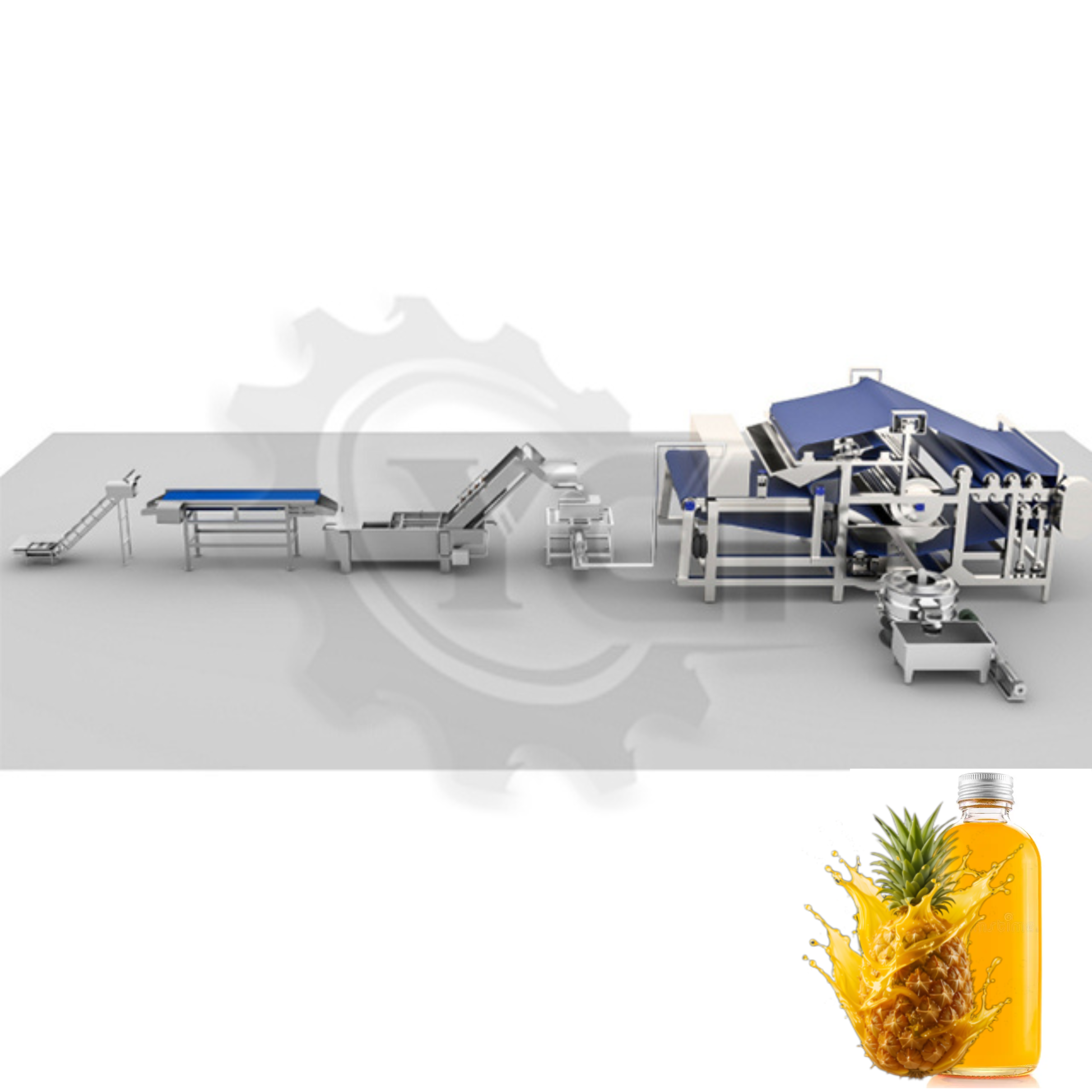
One of the most severe operational challenges in processing high-pectin fruits is the extreme thickness, or viscosity, of the resulting mash. High viscosity creates intense fluid resistance within the processing system. It slows down production and puts immense strain on positive displacement pumps and drive motors. Instead of forcing a pudding-like mash through narrow stainless steel pipes, facility operators desperately need a flowable liquid.
Breaking down pectin biochemically drastically reduces this problematic viscosity. This thinner consistency facilitates incredibly smooth operations across the entire facility. A lower viscosity mash glides easily through pipelines, prevents the dangerous clogging of tubular heat exchangers, and speeds up downstream ultrafiltration processes. Consequently, this eliminates major operational bottlenecks and substantially reduces the electrical energy required to move heavy material through the system.
Beyond basic mechanical efficiency, enzymes play a critical role in defining the final sensory characteristics of the beverage. In the production of clear juices, suspended pectin molecules create an undesirable cloudiness or haze. Specific pectinases are deployed to break down these suspended particles entirely. This prevents pectin haze and allows for highly efficient ultrafiltration, resulting in a brilliantly clear final beverage.
In addition, enzymatic action helps break down the cell vacuoles where pigments and flavor compounds are securely stored. In berry processing, enzymes facilitate the release of anthocyanins, resulting in a richer and more vibrant juice color. Similarly, the breakdown of the cellular matrix releases trapped essential oils and aromatic compounds. This yields a robust, authentic flavor profile that appeals directly to discerning end consumers.
The application of enzymes must be strictly tailored to the specific goals of the production run. For clear liquids derived from apples, grapes, or tropical fruits, facilities typically utilize a rigorous two-stage enzymatic process. When configuring a dedicated fruit juice processing line, engineering precision is paramount.
The first stage is mash enzymation. Here, automated systems add enzymes directly to the crushed fruit to maximize liquid yield and improve mechanical press capacity. The second stage occurs post-pressing, known globally as juice depectinization. In this critical phase, specific enzymes are added to the extracted juice to break down remaining soluble pectins. This step is mandatory for reducing viscosity further and preparing the juice for final ultrafiltration. It ensures long-term shelf stability and prevents post-bottling haze.
Tomato processing presents a uniquely different set of biochemical requirements compared to clear fruit juices. When operating a heavy-duty Tomato processing line, the final production goal dictates exactly how naturally occurring enzymes are managed by the engineering team.
In Hot Break processing, where the goal is to produce a highly viscous tomato paste or ketchup, the crushed tomatoes are rapidly heated immediately after the crushing stage. This intense high heat intentionally deactivates the naturally occurring pectin methylesterase and polygalacturonase enzymes. This preserves the pectin and maintains a thick, rich consistency. Conversely, in Cold Break processing for thinner tomato juices and serums, operators intentionally allow natural enzymes to act. They may even introduce commercial enzyme preparations to break down the viscosity and increase the liquid yield of the tomato serum.
To achieve consistent yield improvements, the physical application of enzymes must be highly controlled. Manual dosing methods are inherently flawed and inefficient. They frequently lead to under-dosing, which fails to maximize yield. Worse, manual methods lead to over-dosing, which wastes highly expensive commercial enzyme formulations.
Modern Automated Fruit Processing Lines solve this issue entirely by integrating sophisticated inline dosing pumps. These advanced automated systems utilize programmable logic controllers and mass flow meters to continuously monitor the exact weight and flow rate of the incoming fruit mash. The system then automatically injects the precise micro-dose of enzyme required. This ensures perfect distribution and consistent biochemical reactions across every single batch, effectively eliminating human error from the facility floor.
Enzymes are highly sensitive biological tools. They operate most efficiently within a very specific optimal window of temperature and time. If the fruit mash is too cold, the enzymatic reaction slows to an absolute crawl. If the mash is too hot, the proteins denature and the expensive enzymes are permanently destroyed.
Automated holding tanks integrated with precise thermal controls are essential for maximizing enzyme efficacy. High-end systems constructed from SUS304 or 316L food-grade stainless steel gently heat the mash to the exact optimal temperature. This is often between 45 and 55 degrees Celsius, depending on the specific enzyme blend. The system holds the mash at this temperature for the required duration. Once the holding time is complete and the yield is maximized, the automated PLC system advances the mash to the tubular pasteurization phase, where high heat safely deactivates the enzymes to halt the biochemical process.
For facility decision-makers, integrating a new enzyme step must be justified by a clear and rapid Return on Investment. The calculation involves weighing the ongoing operational expenditure of purchasing commercial enzymes against the gross revenue generated from the newly increased product yield.
For high-volume processors, the financial math is incredibly favorable. A standard 10 to 20 percent increase in saleable juice easily offsets the cost of the biological catalysts. In a typical high-capacity scenario processing several tons per hour, the rapid payback period for the initial equipment investment and ongoing enzyme costs is often realized within the very first processing season. This makes the transition from purely mechanical extraction to biochemically assisted extraction a highly logical and profitable facility upgrade.
The financial benefits of enzymatic maceration extend well beyond just the volume of juice sold. They also manifest in massive operational savings. Because the enzymes break down pectin and reduce the viscosity of the mash, the processing equipment requires noticeably less electrical power to operate. Thinner mash requires significantly less torque from decanters and less hydraulic pressure from industrial belt presses.
Furthermore, this reduced mechanical strain translates directly to extended lifespans for critical machinery components. Daily wear and tear on positive displacement pumps, press belts, and expensive ultrafiltration membranes are drastically reduced. Over time, this lowers routine maintenance costs, minimizes unscheduled facility downtime, and extends the overall capital depreciation lifecycle of the plant's processing equipment.
Integrating an enzymatic treatment phase does not necessarily require building a brand new facility from scratch. However, it does demand specific, purpose-built machinery. The core components include dedicated enzymation tanks equipped with specialized, low-shear agitators. These agitators gently mix the mash without oxidizing it or damaging the cellular structure further.
In addition, precise inline dosing stations are mandatory to introduce the enzymes accurately into the product stream. Tubular or scraped-surface heat exchangers are also critical hardware pieces. They provide the rapid and uniform temperature regulation needed to bring the mash into the optimal enzymatic activity window before it enters the holding tanks. This ensures the biological catalysts perform at their absolute peak.
Selecting the correct equipment requires partnering with a machinery provider who deeply understands both mechanical engineering and complex biochemical processing parameters. Not all standard equipment suppliers possess this nuanced industry expertise.
Facility managers should actively seek out custom-engineered solutions rather than off-the-shelf catalog items. The right manufacturing partner will analyze your specific plant footprint, capacity requirements ranging from 1 to 20 tons per hour, and raw material types. They will design an enzymatic holding and dosing system that integrates seamlessly into your existing architecture, complete with automated CIP cleaning compatibility. This guarantees a smooth operational transition and immediate, measurable yield improvements from day one.
The enzyme step is far more than just a simple chemical addition. It is a fundamental engineering upgrade to the efficiency, quality, and profitability of any modern processing facility. By biochemically dismantling rigid plant structures, it maximizes liquid yield effectively, improves final product clarity, and streamlines heavy mechanical operations.
In an era where resource optimization and sustainability are critical to survival in the beverage market, relying solely on mechanical extraction leaves valuable money on the table. Biochemical optimization is no longer optional. It is a strict competitive necessity.
We highly encourage production managers to evaluate their current extraction rates today. Upgrade your operations with advanced, automated systems equipped with state-of-the-art enzymatic dosing and holding technologies. To explore custom-engineered solutions tailored to your specific fruit or vegetable lines, discover the high-performance equipment available at YGT Machinery and ensure you extract every drop of value from your harvest.
Pectinases are the most common, utilized primarily to break down pectin and release trapped juice from the plant matrix. Cellulases and hemicellulases are also frequently deployed to break down the fibrous cell walls of the fruit tissue. Additionally, amylases are used to break down starches, which is particularly important when processing unripe fruits like early-season apples to prevent starch haze in the final beverage.
No. Processing enzymes are naturally occurring proteins that are completely safe, highly regulated, and approved for global food production. They are highly specific in their biochemical action, such as only targeting pectin molecules. They are permanently deactivated by heat during the standard pasteurization phase later in the processing line. This ensures they do not alter the final taste, aroma, or safety profile of the juice or puree.
The exact duration depends heavily on the type of fruit being processed, the specific enzyme blend utilized, and the temperature of the mash. Typically, the holding time ranges from thirty minutes to two hours. Automated lines optimize this duration by maintaining the perfect thermal environment to accelerate the biochemical reaction time safely and efficiently.
Yes, but their application is highly strategic based on the desired end product. In tomato processing, naturally occurring pectin methylesterase and polygalacturonase can break down viscosity. If a thick paste is required for Hot Break processes, these enzymes are rapidly deactivated with high heat. If a thinner tomato juice or serum is desired for Cold Break processes, natural enzymes may be allowed to act, or commercial enzymes can be added to intentionally increase the liquid yield.
Not necessarily. An enzyme step can very often be retrofitted into an existing facility footprint. It typically requires the strategic addition of an inline dosing system, a dedicated holding enzymation tank with accurate temperature control, and minor piping adjustments to route the crushed mash through this new biochemical step before it reaches the mechanical press or decanter centrifuge.
While the exact temperature depends on the specific commercial enzyme strain used, most industrial pectinases achieve peak activity between 45 and 55 degrees Celsius. Maintaining this precise temperature window using automated tubular heat exchangers ensures maximum yield extraction without risking protein denaturation from excessive heat.
No. Enzymatic treatment is a powerful preparatory step designed to work in synergy with mechanical extraction, not replace it. The enzymes break down the cellular structure and liquefy the mash, which allows the subsequent mechanical presses or decanters to extract significantly more liquid using far less physical force and energy.


