

Views: 0 Author: Site Editor Publish Time: 2026-04-13 Origin: Site


Packaged food and beverage producers often know they need thermal processing, but they are not always sure whether the product should be treated before filling or after sealing. That is where the Sterilization Kettle becomes important. Unlike in-line systems used for liquid treatment before packaging, this equipment is designed for products that must be sterilized inside the final container. For manufacturers that want reliable shelf stability in sealed packages, Shanghai QingJi Beverage Machinery Co., Ltd. provides practical thermal processing solutions for packaged food and beverage applications.
A Sterilization Kettle is mainly used for products that are filled, sealed, and then thermally processed inside the package. This makes it especially suitable for foods and beverages that need to remain safe and stable during storage, transport, and sale. Instead of sterilizing the liquid first and then moving it into a sterile filling environment, the product is already placed in its final container before the heating cycle begins.
This use is important because many packaged foods depend on both thermal treatment and packaging integrity. The sealed container helps protect the product during and after processing, while the sterilization cycle helps reduce microbial risk and extend shelf life. For manufacturers producing shelf-stable packaged goods, this approach is widely used because it combines safety, convenience, and commercial practicality in one process.
This is also the key point that separates a Sterilization Kettle from UHT or flash pasteurization systems. UHT and flash equipment are usually used for liquid products moving continuously through a pipeline before filling. A Sterilization Kettle is different because it processes the product after packaging, which makes it a better fit for foods or beverages that need thermal treatment inside the final sealed container.
That difference affects the whole production logic. In-line sterilization focuses on flowing liquid and aseptic transfer, while a kettle-based system focuses on packaged product safety, container compatibility, and batch thermal processing. For buyers comparing different food sterilization equipment, this distinction is essential because the right solution depends on how the product is packed and sold.
A Sterilization Kettle is commonly used for a wide range of packaged foods. Typical examples include sauces, canned vegetables, canned meat products, prepared meals, soup, porridge, and selected packaged beverages. These products often need heat treatment after filling because the final package is part of the protection system.
This kind of equipment is especially valuable when the product is intended for room-temperature storage or longer commercial circulation. Many factories use retort applications for products that need to remain stable through transportation, warehousing, and retail display without depending on chilled distribution. In real production, that makes the equipment useful across many food categories, not just one narrow segment.
The Sterilization Kettle is often chosen when commercial sterility inside the final package matters more than simple heating alone. This applies to products that must arrive to the market in a sealed and protected condition, with the package acting as part of the overall safety design. The process is therefore not only about what the product is, but also about how it is stored and delivered.
For this reason, buyers should think about the product and the package together. A sauce in a pouch, a ready meal in a tray, and a canned beverage may all require different cycle settings, but the common goal is the same: stable product quality in a sealed container. This is why the Sterilization Kettle is widely used in packaged food manufacturing where the final package must remain part of the protection strategy.
One of the main reasons a Sterilization Kettle is so widely used is its compatibility with many packaging formats. Common containers include metal cans, glass jars, retort pouches, trays, and other heat-stable packages designed for thermal processing. This flexibility allows manufacturers to apply the same general processing principle across different product lines.
For food and beverage producers, packaging choice is not only a marketing decision. It also affects thermal performance and production planning. A product packed in a jar behaves differently during heating than the same product packed in a pouch. That is why container type must always be considered when evaluating retort sterilizer use.
The package does more than hold the product. It influences how heat moves through the food during processing. A thicker product in a larger container may require a different cycle from a thinner product in a smaller pouch. The material, shape, and size of the package all affect the speed and uniformity of heat transfer.
This means the use of a Sterilization Kettle is closely connected with package engineering. Buyers should not think only about the food formula. They should also consider how the chosen package supports safe and effective thermal treatment. In many projects, proper matching of product, package, and process is what makes the difference between smooth production and unstable results.
Not every Sterilization Kettle works in exactly the same way. Different systems may use hot water circulation, steam, or other thermal processing methods depending on the product and package requirements. Each method has its own practical advantages, and the best choice depends on what the manufacturer is trying to process.
Hot water circulation is often preferred when better temperature consistency is needed across the chamber. Steam sterilization can also be effective, especially in certain applications, but it may behave differently depending on the load and the package. The important point for buyers is that the processing mode should match the real production target rather than being selected only by habit or price.
Uniformity matters most when the package and product are sensitive to uneven heating. If one part of the batch receives more heat than another, the result may be inconsistent quality, unnecessary product damage, or insufficient treatment in some containers. That is why process stability is a major consideration in packaged food sterilization.
For manufacturers running repeated production cycles, stable and uniform treatment improves both safety and efficiency. It reduces the risk of variation between batches and supports more reliable finished goods. This is one reason why technical control and proper system selection matter so much in a Sterilization Kettle project.
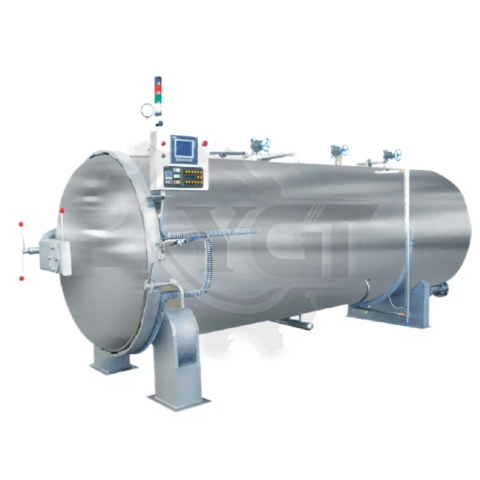
A major reason manufacturers choose a Sterilization Kettle is that it supports shelf-stable packaged products. When foods and beverages can remain safe for a longer period in sealed containers, producers gain more freedom in storage, transportation, and market planning. They do not have to depend as heavily on cold-chain delivery for every product category.
This creates practical commercial value. Shelf-stable products can move through warehouses, wholesale channels, and broader regional markets more easily. For companies that want to reduce logistics pressure or build a stronger packaged food business, this is a clear advantage.
A Sterilization Kettle also gives manufacturers a more controlled batch process. Once the right parameters are developed, the cycle can be repeated in a stable way, helping improve consistency from one batch to the next. This is especially useful for products where final package safety is critical.
Better batch control also means better process management. Operators can follow defined sterilization cycles, maintain more consistent production records, and support traceability in day-to-day factory work. For many packaged food producers, that operational control is just as important as the thermal treatment itself.
Before using a Sterilization Kettle, buyers should look carefully at the real application. Product viscosity matters because thicker foods usually transfer heat differently from thinner liquids. Packaging format matters because container size and material affect the cycle. Capacity matters because the production plan must match the equipment size. Target shelf life matters because the process must support the intended market route.
Thinking in this way helps buyers avoid choosing equipment only from a broad category name. A sauce project, a canned vegetable line, and a ready-meal application may all use the same general type of equipment, but the operating requirements are not identical. Good project planning begins with the actual use case.
Control performance is another key factor. A practical Sterilization Kettle should offer stable temperature control, repeatable process settings, and an operating system that helps the factory manage routine production with confidence. These features become more important as the scale of the project grows and batch consistency becomes a bigger commercial issue.
This is where an experienced supplier adds value. Shanghai QingJi Beverage Machinery Co., Ltd. supports packaged food and beverage projects with a focus on reliable processing, practical engineering, and line-based thinking. For customers planning shelf-stable products, equipment selection should always consider long-term operating stability, not just the basic ability to heat a batch.
Product Type | Package Type | Why a Sterilization Kettle Is Used | Main Processing Concern |
Sauces and condiments | Glass jars, pouches | Post-packaging sterilization for shelf stability | Heat penetration and texture control |
Canned vegetables or meat | Metal cans | Safe long-life storage in sealed containers | Uniform batch treatment |
Prepared meals | Trays, pouches | Final-package thermal processing | Product quality after heating |
Packaged beverages | Heat-stable containers | Stable storage and transport after sealing | Container compatibility and process balance |
Soup and porridge | Cups, pouches, cans | Commercial sterility in final pack | Viscosity and cycle accuracy |
The easiest way to understand a Sterilization Kettle is to look at how it is used: it is a post-packaging thermal processing solution for foods and beverages that need reliable shelf stability in sealed containers. From sauces and canned foods to prepared meals and packaged drinks, this equipment helps manufacturers match product safety with practical distribution needs. Shanghai QingJi Beverage Machinery Co., Ltd. supplies controlled thermal processing solutions for packaged food and beverage projects. If you are planning a shelf-stable product line, contact us to learn how the right retort sterilizer solution can support your production goals.
A Sterilization Kettle is mainly used for packaged foods and beverages that need thermal treatment after filling and sealing so they can remain safe and stable during storage and sale.
Common products include sauces, canned foods, prepared meals, soup, porridge, and some packaged beverages that require post-packaging sterilization.
No. A Sterilization Kettle processes sealed packages after filling, while UHT systems usually treat liquid products in line before packaging.
Packaging affects heat transfer, cycle design, and product safety. The container type must match the thermal process to achieve stable and reliable results.


