

Views: 0 Author: Site Editor Publish Time: 2026-08-07 Origin: Site


Scaling liquid beverage or dairy production poses a complex operational challenge for modern facilities. You must strictly balance microbial safety to ensure a viable shelf-life while preserving delicate sensory profiles like flavor, color, and mouthfeel. High-Temperature Short-Time (HTST) systems serve as the operational baseline for solving this issue. Commonly known as a Flash Pasteurizer, these continuous-flow solutions are engineered specifically for precise fluid dynamics. Using an incorrect thermal method easily results in ruined batches, damaged flavors, or severe spoilage risks. This guide provides production managers and technical buyers with a clear, evidence-based matrix of compatible products. We will outline specific system limitations alongside essential procurement criteria. You will quickly determine if this heating technology fits your exact processing line requirements.
Selecting the wrong thermal process causes severe business problems. Excessive heat leads to over-processing. You ruin cooked flavors, destroy vital nutrients, and waste valuable utility energy. Conversely, insufficient heating causes dangerous under-processing. This specific mistake results in rapid product spoilage, compromised consumer safety, and extremely costly product recalls.
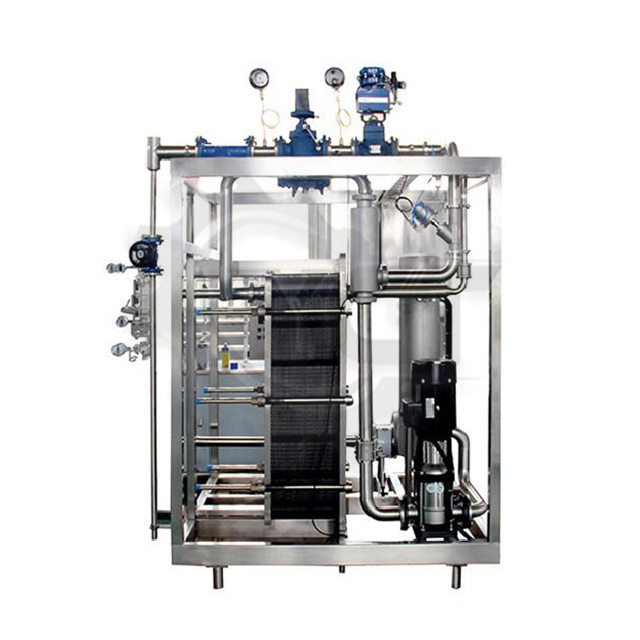
You must differentiate HTST units from the broader category of pasteurizer and sterilizer systems. Many traditional systems rely on static batch heating or post-packaging thermal baths. HTST units operate strictly on continuous flow principles. They push the liquid through a highly controlled, pressurized circuit to achieve rapid temperature spikes and immediate cooling.
To achieve baseline success using this technology, your product must meet three operational criteria:
This equipment seamlessly processes specific fluid profiles. We categorize these highly compatible products by industry application and behavioral viscosity.
Fluid milk represents the absolute standard HTST application globally. Standard regulatory frameworks typically require heating the raw milk to 72°C (161°F) for exactly 15 seconds. This short duration effectively destroys harmful pathogens while retaining the fresh, natural flavor profile.
Integrating these thermal units requires careful facility alignment. You must connect them properly alongside broader dairy processing equipment. Essential upstream and downstream companions include centrifugal cream separators, high-pressure in-line homogenizers, and automated fat standardization units. The pasteurizer acts as the central hub tying these components together.
You must also adhere to strict regulatory compliance baselines. For example, facilities operating in the United States must meet the FDA Pasteurized Milk Ordinance (PMO) requirements. These rigid rules dictate exact holding tube lengths, mandatory flow diversion valve setups, and tamper-proof temperature recording devices to guarantee public safety.
Breweries rely heavily on Pasteurization Units (PUs) to measure thermal impact. Continuous flow processing applies these specific PUs much more efficiently than heating already packaged goods. The precise control allows brewers to hit exact biological stabilization targets.
The primary benefit lies in halting rogue yeast and bacterial activity. This stabilization protects shelf-life perfectly across vast distribution networks. Importantly, it completely avoids the heavy thermal load inherent in traditional tunnel pasteurization. Excessive heat rapidly degrades delicate hop aromatics, alters beer color, and creates undesirable cardboard oxidation flavors.
Clear juices like apple, grape, or cranberry respond exceptionally well to this process. Lightly turbid liquids also flow efficiently through the standard heat exchangers. The lack of heavy pulp allows for rapid thermal transfer.
Temperature requirements vary significantly based on product acidity. High-acid beverages naturally inhibit bacterial growth. They require much lower pasteurization temperatures to achieve commercial stability. Low-acid beverages demand significantly higher thermal intervention to prevent aggressive bacterial proliferation.
Plant-based liquid bases—such as oat, almond, and soy—often require pasteurization prior to final product formulation. Processing the raw plant base early stabilizes the sensitive emulsion. It also prevents premature, unwanted fermentation before you add flavorings, gums, or sweeteners.
| Product Category | Typical Target Temperature | Approximate Holding Time | Primary Preservation Goal |
|---|---|---|---|
| Fluid Milk (Standard) | 72°C (161°F) | 15 seconds | Pathogen elimination |
| Craft Beer | 71°C (160°F) | 15 - 20 seconds | Yeast deactivation |
| High-Acid Clear Juice | 85°C (185°F) | 15 - 30 seconds | Enzyme deactivation |
| Plant-Based Oat Milk | 90°C (194°F) | 30 seconds | Emulsion stabilization |
Understanding where technology fails builds highly reliable production strategies. Certain fluid dynamics completely break the continuous flow model. Recognizing these hard limits prevents catastrophic equipment damage.
Liquids containing heavy pulp, fruit chunks, or large particulates present massive operational risks. They easily cause severe "burn-on" inside standard plate heat exchangers. The natural proteins and sugars bake onto the hot metal surfaces.
This fouling rapidly blocks flow channels and drastically reduces thermal transfer efficiency. If you process heavy pulpy orange juice, diced tomatoes, or chunky soups, you need robust alternatives. Tubular heat exchangers or swept-surface thermal systems handle these heavy solids much better. They prevent blockages by utilizing wider channels and physical scraping mechanisms.
Continuous flow systems struggle against extreme liquid viscosity. Pumping heavy syrups, honey, or dense fruit purees creates intense pressure drops across the plate packs. The pumps must work dangerously hard to maintain flow.
This immense physical resistance leads directly to uneven heat distribution. The fluid moving near the plate walls travels slower and burns. Meanwhile, the fluid racing down the center remains dangerously under-processed. You lose all thermal predictability.
You must clearly define the operational difference between extended shelf-life (ESL) and true ambient sterility. ESL products still require continuous cold chain logistics. The pasteurization extends the refrigerated life, but the product will still spoil if left warm.
If you want a product to sit on a room-temperature supermarket shelf safely for months, HTST falls short. A robust UHT sterilizer (Ultra-High Temperature) combined with aseptic packaging represents the mandatory alternative. This heavy-duty pairing safely stabilizes ambient dairy and low-acid products by utilizing extreme heat (over 135°C) to achieve total commercial sterility.
Translating these technical limitations into measurable business outcomes guides smart capital expenditure. You must evaluate the system based on scale, operating costs, and end-product quality.
Comparing an HTST skid against massive tunnel pasteurizers reveals tremendous facility space savings. The compact skid occupies a mere fraction of the physical factory footprint. You free up valuable square footage for packaging lines or raw material storage.
You can also scale these flow systems easily. Capacity ranges span from just a few gallons per minute for boutique operations to hundreds of liters per minute for massive commercial plants. You simply must match the pasteurizer's output flow rate directly to your downstream filler speed to prevent production bottlenecks.
These units utilize highly efficient regenerative heating technology. The hot pasteurized liquid pre-heats the incoming cold raw liquid directly across the thin heat exchanger plates. They simply swap temperatures in transit.
This intelligent thermal exchange slashes boiler and chiller energy demands simultaneously. Many modern systems achieve up to 90% thermal regeneration. Over a standard 3–5 year production window, you realize substantial utility savings compared to energy-heavy batch processing. You drastically lower your monthly operational expenditures.
The exact heat-exposure time directly correlates to sensory preservation. Brief, highly controlled heating locks in absolute freshness and maximizes vibrant color retention. Customers notice the bright, natural appearance immediately.
It also protects vital nutrient viability. You deliver a completely microbiologically safe beverage without compromising the natural vitamins, delicate proteins, or structural integrity. You avoid the "cooked" or caramelized flavors common in heavily processed alternatives.
Installing a thermal skid requires comprehensive facility planning. You cannot simply drop the machine onto the floor and start pumping. Specific infrastructure prerequisites guarantee operational success.
You must integrate automated Clean-In-Place (CIP) protocols. Manual cleaning remains physically impossible for complex internal plate networks. You cannot dismantle hundreds of plates daily.
Automated CIP prevents dangerous biological cross-contamination. The system flushes the lines using caustic soda, nitric acid, and sterile water at high velocities. This automated cleaning holds especially true in multi-product facilities switching rapidly between dairy and juice runs. A failed cleaning cycle ruins the subsequent batch instantly.
The heating process represents only half the safety equation. Flash pasteurization proves effective only if followed closely by ultra-clean or true aseptic filling machinery.
Any contamination risks introduced post-heating instantly negate your entire equipment investment. Your downstream piping, diversion valves, surge tanks, and filler heads must remain completely sterile. Exposing the cooled, pasteurized liquid to airborne bacteria prior to capping ruins the shelf-life immediately.
These thermal systems demand robust prerequisite facility upgrades before installation. You must supply highly reliable chilled water or glycol to rapidly cool the liquid post-heating. Slow cooling damages the flavor.
Additionally, the facility requires sufficient steam boiler capacity for the primary heating section. You will also need clean industrial compressed air to operate the automated flow diversion valves and pneumatic pump systems safely. Ensure your utility grid handles these simultaneous peak loads.
If your target product is a pumpable liquid, features low-to-medium viscosity, and requires a cold-chain extended shelf-life, this technology is likely your correct operational choice. It guarantees strict microbial safety alongside extremely high sensory fidelity. You protect your brand reputation while maintaining product freshness.
Conduct a comprehensive viscosity and particulate audit on your target formulations immediately to verify compatibility. Next, calculate the precise volumetric flow rates required to perfectly match your downstream filling equipment. Finally, consult directly with trusted system integrators regarding thermal regeneration targets to maximize your long-term utility savings.
A: A flash pasteurizer utilizes continuous liquid flow through plate heat exchangers before packaging. This rapid process suits low-viscosity fluids perfectly. A tunnel pasteurizer sprays hot water over products already sealed in cans or glass bottles. Tunnel systems require massive energy and a much larger physical footprint, but they handle high-carbonation or particulate-heavy items effectively.
A: Processing pre-carbonated beverages proves extremely difficult due to intense pressure changes inside the heat exchangers. The sudden heat causes the liquid to expand and violently release CO2. You typically need specialized, highly pressurized plate systems to handle them. Usually, producers pasteurize the flat liquid first and apply post-pasteurization carbonation immediately before filling.
A: It preserves nutritional value exceptionally well. The "short time" aspect of the HTST process minimizes vitamin degradation compared to traditional boiling or slow batch methods. The liquid experiences high heat for only 15 to 30 seconds. This brief exposure halts bacterial growth while leaving essential nutrients, active enzymes, and fresh flavors largely intact.
A: Cleaning frequencies depend entirely on the specific product type and production run durations. High-protein fluids like milk create faster protein buildup, requiring CIP (Clean-In-Place) cycles every 8 to 12 hours. Clear, low-acid juices might run safely for longer stretches. You must always perform automated CIP after every product changeover to prevent cross-contamination.


