

Views: 0 Author: Site Editor Publish Time: 2026-11-12 Origin: Site


Preserving packaged food without ruining the container is a massive operational headache for modern manufacturers. You must ensure microbiological safety. At the same time, maintaining shelf appeal requires precise thermal processing. Post-packaging sterilization solves this exact dilemma. It extends shelf life safely without exposing delicate packaging materials to harsh environmental stress.
In the current food safety landscape, the Water Bath Sterilizer has emerged as the industry-standard solution for processing packaged goods efficiently. By utilizing submerged thermal transfer, this equipment guarantees consistent pathogen reduction while protecting the structural integrity of the containers. This comprehensive guide explores the underlying science, operational benefits, and specific applications of submerged thermal processing from a practical engineering perspective.
A water bath sterilizer is a specialized industrial machine designed to apply highly precise thermal treatment to sealed food and beverage products. Unlike traditional retort systems that blast low-acid foods with high-pressure steam, this equipment relies on hot water operating at atmospheric pressure. Typically functioning between 75°C and 100°C, the fundamental mechanism involves fully submerging the packaged goods into a heated liquid medium. This engineered environment destroys spoilage microorganisms and active enzymes without compromising package seals.
As an engineer walking the facility floor, you will notice the operation follows a meticulously controlled three-phase thermal cycle.
The Heating Phase begins when packaged products enter the sterilization chamber. They travel via automated SUS304 stainless steel conveyor belts and are completely submerged in pre-heated water. Because water possesses a remarkably high specific heat capacity, it rapidly transfers thermal energy across the entire surface area of the product. This initiates a uniform internal temperature rise.
During the Holding Phase, the core temperature of the packaged food reaches the target pasteurization level. Advanced programmable logic controllers lock in this exact temperature for a predetermined duration. We typically see top-tier machines maintaining temperature accuracy within ±0.5°C. This precise monitoring ensures the food achieves commercial sterility without crossing the threshold into being overcooked.
Immediately following the holding period is the Cooling Phase. The water temperature is systematically and gradually lowered. This controlled cooling stops the internal cooking process instantly. By avoiding a lingering heat curve, the product retains its intended crispness and flavor profile.
Achieving an extended and stable shelf life requires foolproof pathogen control protocols. This is precisely where integrating a post sterilization machine becomes an indispensable asset for large-scale production lines. To fully appreciate its commercial value, plant managers must distinguish between traditional pre-packaging methods and the terminal post-packaging approach.
Pre-packaging sterilization involves treating the food product in bulk, rapidly cooling it, and then sealing it into containers within an aseptic cleanroom. While technically effective under perfect conditions, this method carries a persistent vulnerability. If the cleanroom environment experiences even a microscopic breach, the food can easily become re-contaminated during the brief window of the filling process.
Terminal sterilization eliminates this operational blind spot completely. The raw or partially cooked product is deposited directly into its final packaging and hermetically sealed. Only after the container is completely closed does the entire unit undergo thermal treatment. By sterilizing the product after sealing, manufacturers eradicate any microorganisms introduced during the pumping and filling stages. This fail-safe barrier protects both consumers and brand reputation from the financial devastation of product recalls.
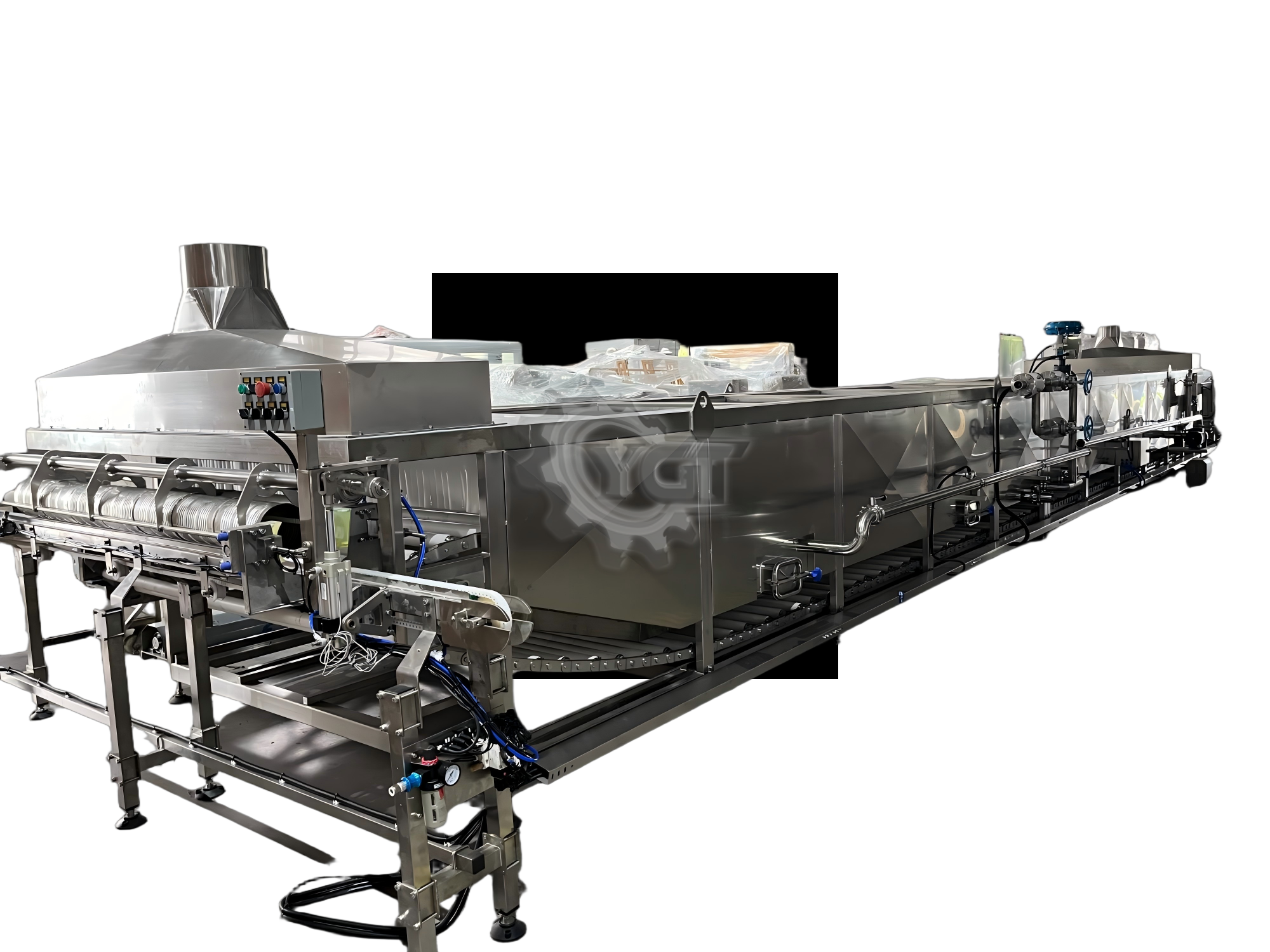
Implementing the correct thermal processing method requires balancing pathogen destruction with packaging preservation. The submerged liquid environment offers distinct physical and thermodynamic advantages uniquely suited for processing sealed goods.
Water acts as an exceptionally efficient thermal conductor. It transfers heat significantly better than air or steam-air mixtures. When packages are fully submerged, the liquid envelops the container entirely. It conforms to every curve and crevice. This continuous contact ensures there are no cold spots inside the chamber. Consequently, the product at the very center of the package reaches the exact same lethality temperature as the product near the surface.
Beyond temperature control, managing internal package pressure is a major engineering hurdle. As food heats up, residual air and moisture inside the sealed package expand. In a standard steam environment, this internal expansion causes flexible packaging to balloon or burst violently at the seams. However, water provides natural buoyancy and exerts continuous hydrostatic pressure against the outside of the package. This surrounding external force effectively counteracts the internal pressure buildup. It maintains the structural integrity of delicate containers and prevents costly seal failures.
Direct steam injection often subjects products to harsh temperature spikes. This leads to localized burning or overcooking near the container walls. Conversely, a Hot Water Sterilizer applies thermal energy much more gently. The steady transfer of heat prevents the rapid degradation of heat-sensitive ingredients. By avoiding severe temperature shocks, this method preserves the original taste, vibrant color, and vital nutritional value of the food.
Not all packaging materials respond well to thermal stress or pressure changes. Fortunately, the unique physical properties of a liquid bath environment make it highly compatible with modern consumer-friendly formats.
Flexible packaging like multi-layer stand-up pouches and vacuum-sealed bags are notoriously vulnerable to seam splitting. The hydrostatic pressure provided by full submersion acts as a physical support system for these polymers. Because the external water pressure balances the internal vapor pressure, the delicate heat-sealed edges remain completely intact.
Glass is highly susceptible to thermal shock. A sudden change in temperature can cause the rigid material to shatter entirely. This leads to catastrophic product loss and dangerous glass shards on the production line. A water bath system mitigates this risk through incremental heating and cooling phases. By smoothly raising and lowering the temperature of the liquid, the structural integrity of the jars is preserved throughout the cycle.
Rigid and semi-rigid plastics like Polypropylene or Polyethylene Terephthalate can warp or permanently deform if subjected to uneven heat distribution. The uniform heating of a water bath prevents localized melting. It keeps the polymer chains structurally sound.
The operational temperature range of this machinery makes it specifically suited for perishable goods requiring pasteurization to eliminate vegetative bacteria.
High-Acid Foods: Foods with a naturally low pH below 4.6 are inherently resistant to the growth of dangerous heat-resistant spores. Therefore, they do not require processing at extreme temperatures found in pressure retorts. Products like pickled vegetables, tomato-based sauces, fruit jams, and condiments are perfectly suited for boiling water temperatures.
Beverages: Liquid products require highly uniform heating to prevent flavor degradation and ingredient separation. Fruit juices, iced teas, and functional beverages benefit greatly from the gentle thermal curve of water submersion. This process extends the shelf life of the beverage without creating an oxidized or artificial taste profile.
Ready-to-Eat Meals: The rapidly growing convenience food sector relies heavily on this technology. Vacuum-packed processed meats, sausages, and sous-vide style meals utilize this equipment. It eliminates vegetative pathogens while maintaining the exact moisture content and tenderness expected by modern consumers.
Analyzing recent developments in the food and beverage sector reveals a distinct shift toward clean-label and minimally processed goods. Consumers are increasingly scrutinizing ingredient lists. This drives manufacturers to eliminate artificial preservatives. Consequently, physical preservation methods like thermal processing have taken center stage. The core engineering challenge lies in achieving commercial sterility without degrading the natural flavor profile.
Industry reports indicate a rising preference for submersion and gentle thermal curves over aggressive high-heat retorting. This trend heavily favors water bath technology. Its gradual heat transfer aligns perfectly with the demand for high-quality, fresh-tasting packaged foods. Furthermore, modern equipment integrates closed-loop water recycling capabilities and high-efficiency heat exchangers. Instead of constantly heating fresh water, the system filters and recirculates the existing bath water. This intelligent thermal management significantly lowers overall energy consumption and aligns with strict factory sustainability targets.
When configuring a new production line, plant managers must weigh the benefits of complete submersion against alternative thermal processing methods. Understanding the technical distinctions is crucial for optimizing output.
The primary alternative to full submersion is spray technology. While both methods utilize hot water as the thermal medium, their application mechanics and physical effects on the packaging differ significantly.
| Feature | Water Bath Sterilization | Spray Sterilization |
|---|---|---|
| Application Method | Complete submersion of the product in a heated water tank. | Hot water is atomized and sprayed through overhead and side nozzles. |
| Best Suited For | Flexible pouches, vacuum bags, and heavy products requiring buoyancy. | Rigid containers, glass jars, and tin cans that do not need physical support. |
| Pressure Balancing | High natural hydrostatic pressure physically supports packaging seams. | Relies heavily on internal chamber overpressure controls using compressed air. |
| Cooling Efficiency | Gradual and highly uniform cooling that protects against thermal shock. | Rapid cooling capabilities ideal for stopping the cooking process quickly. |
A water bath is generally the superior choice for flexible packaging that relies on the natural buoyancy of water to prevent deformation. Conversely, if your production line strictly handles rigid containers that do not require external pressure support, integrating a Spray Sterilizer might offer faster overall cycle times. Evaluating your specific packaging material's physical limitations is the mandatory first step in equipment selection.
Investing in industrial thermal processing equipment is a significant capital expenditure. To ensure long-term operational success, plant engineers must rigorously evaluate several technical parameters before procurement.
First, analyze your daily production capacity and workflow. For small to medium-scale operations, a batch-style machine offers the flexibility needed for varying thermal profiles. For high-volume manufacturing, an automated continuous tunnel system featuring stepless speed regulation is strictly necessary to maintain throughput without causing upstream bottlenecks.
Next, evaluate the equipment's material and control systems. Industrial-grade machines must be constructed from SUS304 or 316L stainless steel to resist corrosion in wet environments. Look for advanced programmable logic controllers and highly sensitive multi-point temperature sensors. The ability to maintain temperature variances within ±0.5°C is critical. This precision prevents the overcooking of sensitive ingredients while absolutely guaranteeing microbial lethality.
Finally, assess the physical footprint and facility utility requirements. Ensure your plant has a steady steam supply and adequate water infrastructure to support the equipment's demands. Selecting the right machinery dramatically improves product safety protocols and delivers a strong return on investment through reduced spoilage.
By balancing temperatures perfectly during the heating cycle, water bath sterilization proves to be a highly safe and efficient method. It processes sealed products uniformly and eliminates the severe pressure imbalances associated with harsher thermal treatments. Food and beverage manufacturers looking to elevate their operational standards should consider upgrading their post-sterilization processes today.
If you are ready to improve product safety, extend shelf life reliably, and ensure the highest possible quality for your consumers, choosing the right equipment is paramount. We highly recommend exploring the advanced thermal processing solutions available at https://www.ygtmachinery.com to find the perfect machinery tailored to your specific packaging and daily production needs.
A water bath sterilizer typically operates at atmospheric pressure, reaching maximum temperatures of around 100°C. This makes it ideal for processing high-acid foods and pasteurizing beverages. In contrast, a retort operates under high pressure to achieve temperatures well above 121°C. This extreme heat is strictly necessary for safely processing low-acid foods like canned meats and non-pickled vegetables to destroy dangerous botulism spores.
The optimal temperature depends entirely on the specific food product and its target pathogen. However, most industrial water bath systems operate efficiently between 75°C and 100°C at atmospheric pressure. Precise temperature control within this range ensures maximum microbial lethality while preserving the food's natural texture and nutritional value.
This practice is highly discouraged. Foods must be thawed or brought to room temperature before entering the sterilizer. Introducing frozen items causes the ambient water temperature to drop drastically. This thermal disruption alters the required holding time and severely compromises overall food safety.
The duration varies significantly based on several physical factors. The product's density, the size of the packaging, and the target core temperature all influence the cycle time. Depending on these variables, a complete thermal cycle can range anywhere from 15 minutes for small liquid beverage pouches to over an hour for dense ready-to-eat meals.
No, you cannot safely process low-acid foods in a standard water bath. Low-acid foods require temperatures of at least 121°C to eliminate heat-resistant spores. Because a water bath operates at atmospheric pressure, water boils at 100°C and cannot reach the required lethality temperatures for these specific products.
If products are labeled prior to sterilization, they must utilize specialized waterproof labels and marine-grade adhesives designed to withstand sustained heat and moisture. To avoid this logistical complication entirely, most manufacturers choose to apply labels after the products exit the cooling section and have been fully dried by high-velocity air blowers.


