

Views: 0 Author: Site Editor Publish Time: 2025-11-28 Origin: Site


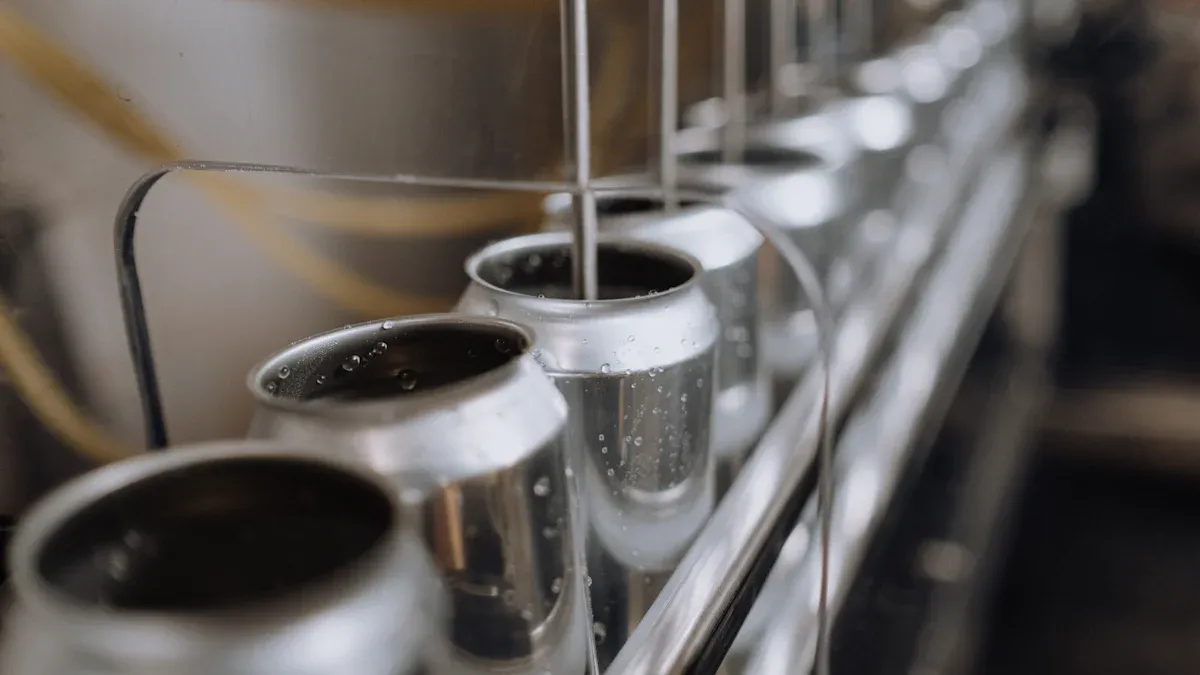
You use an Aseptic Filler to keep products safe. It helps stop contamination. Liquids, pastes, and granules need special care. Each product has its own needs. If you do not fill them right, you can have problems. Many things can cause contamination. The table below shows how people, supplies, and equipment can bring in germs to open containers:
Contamination Sources | Explanation |
|---|---|
Personnel | People moving around can let germs in. Bad training makes this worse. |
Components and Supplies | Dirty things can bring microbes into clean areas. |
Equipment | Wrong tools or bad care near open containers can cause germs. |
Aseptic fillers stop germs by using clean rooms and special tools for liquids, pastes, and granules.
It is important to know your product’s texture. Liquids move fast. Pastes are thick. Granules need gentle care.
Pick the best machine for your product. Each product needs special changes. This helps fill correctly and cuts down on waste.
Clean and sterilize equipment often. This keeps products safe and stops germs from spreading.
New technology, like robots and smart sensors, makes filling faster and safer.
It is important to know how thick or thin a product is. Liquids are thin and move fast. Pastes are thick and move slow. Granules are small solid bits. They do not flow like liquids or pastes. Each one needs a special way to fill.
Aseptic Filler machines have parts that help with these differences. Fill heads can change size. Speed controls can go faster or slower. Thin liquids fill fast. Thick pastes need to fill slow. Temperature can help things move better and stop germs. Pumps and valves match the speed of each product. This helps fill the right amount every time.
Tip: Check how thick your product is before you pick a speed. This helps stop spills and keeps things neat.
You must keep germs away from your products. Liquids, pastes, and granules all have some risk. Liquids can grow germs like Salmonella and E. coli. Pastes and granules can have germs too, but liquids are the riskiest.
Aseptic Filler machines use strong ways to stop germs. Liquids are filled in very clean rooms called Class 100 cleanrooms. Barrier isolators keep germs out and people away. This lowers the chance of germs getting in. New tech like Blow-Fill-Seal and closed vial systems make things even safer.
Here is a table that shows how risks and controls are different:
Filling Process | Contamination Control Strategy | Contamination Risk | Technology Improvement |
|---|---|---|---|
Liquid | Class 100 cleanroom, barrier isolators, minimal human contact | High (microbial growth) | BFS and closed vial tech lower risk by more than two logs |
Paste | Standard cleaning, less risk than liquids | Medium | N/A |
Granule | Dust control, sealed systems | Lower | N/A |
You want to keep germs out as much as you can. The European Medicines Agency says you should only find one bad unit in 10,000. If you fill things wrong, people can get sick or die. That is why you must follow the rules.
You need a different machine for each product. Liquids, pastes, and granules all need special changes in the Aseptic Filler.
Here is a table that shows how machines change for each type:
Material Type | Machine Adaptation | Key Features |
|---|---|---|
Liquids | Time-pressure or mass flow metering | Adjusts for fluid viscosity |
Pastes | Auger fillers, peristaltic pumps | Keeps dosing accurate |
Granules | Vibratory feeders, level-sensing nozzles | Handles and fills efficiently |
Powders | Volumetric cup fillers | Adjustable conveyor speeds |
Liquids use time-pressure or mass flow metering. This helps fill bottles fast and right. Pastes need auger fillers or peristaltic pumps. These tools help measure thick stuff and keep each fill the same. Granules use vibratory feeders and special nozzles. These parts move small bits without spilling or wasting.
Note: Picking the right machine helps you fill faster and keeps your area clean.
Every product needs its own way to fill. The Aseptic Filler must match the flow, thickness, and risk of germs for your product. This keeps your work safe and quick.
You need to control the flow of liquids to fill each container with the right amount. Liquids move fast, so you must use special systems to slow or speed up the flow. Many machines use time-pressure filling. This method pushes liquid into the container for a set time. Some systems use mass flow meters. These meters measure the exact amount of liquid as it moves. You can adjust the speed to match the thickness of your product. This helps you avoid spills and keeps each fill accurate.
Tip: Always check your product’s flow before you start. This step helps you set the right speed and keeps your process smooth.
The nozzle and filling head play a big role in keeping your product safe. You want a nozzle that fits your liquid. Some nozzles have drip-free tips. These tips stop drops from falling after each fill. Other nozzles use shut-off valves. These valves close fast to stop leaks. You can also find nozzles that move up and down. This movement helps fill bottles without making bubbles or splashes. You should pick a filling head that matches your container size. This choice helps you fill each bottle with the right amount and keeps your work area clean.
You must seal each container right after filling. This step keeps germs out and protects your product. Many companies use Blow-Fill-Seal technology. This method forms, fills, and seals the container in one process. You get a strong seal because the machine uses heat to close the still-warm plastic. This process lowers the risk of contamination. You can trust that your product stays safe from start to finish.
Blow-Fill-Seal technology forms, fills, and seals containers in one step.
The process uses heat to seal the container while the plastic is still warm.
This method keeps germs out and gives you a strong, safe seal.
Note: Sealing right after filling is the best way to keep your liquid products safe.
When you fill pastes, they are very thick. Thick pastes move slow and can block machines. You need special tools to move thick pastes. Some Aseptic Filler machines work with both thick and thin products. They can also fill pastes with small solid pieces. You can use one machine for many kinds of pastes. This saves you time and money.
Here is a table that shows ways to fix common paste problems:
Challenge | Solution |
|---|---|
High viscosity of pastes | Special equipment to move the solution |
Maintaining sterility | Special filters to sterilize the product |
Consistent fill volumes | Techniques to reduce product loss |
Tip: Check how thick your paste is before you start. This helps you choose the right settings and avoid trouble.
You need the right pump or piston to fill pastes well. Peristaltic pumps are good because only the tube touches the paste. This helps stop germs from getting in. These pumps are easy to clean because they have few parts. Piston pumps are also very accurate and work with many thicknesses. But the paste touches the pump, so you must clean it well to stop germs.
Peristaltic pumps help keep your paste safe from germs.
You can clean these pumps fast.
Piston pumps help you fill each container with the right amount.
You must clean and sterilize your machine after each use. This keeps germs away from your paste. Follow these steps to keep your machine safe:
Clean and sterilize all parts like nozzles, valves, and tubes.
Use heat, steam, or chemicals to kill germs.
Put the machine back together and check all parts fit.
Test the machine for leaks or blocks before you fill again.
Note: Cleaning and testing often helps stop germs and keeps your paste safe.
You need to measure granules with care. Granules do not flow like liquids or pastes. They can clump or stick together. You can use vibratory feeders to shake granules loose. These feeders help you move granules into containers without spilling. Some machines use level-sensing nozzles. These nozzles stop filling when the right amount drops into the package. You can also use volumetric cup fillers. These cups hold a set amount of granules, so you get the same fill every time.
Tip: Test your granules before you fill. This helps you pick the best feeder or nozzle for your product.
Granules can make dust when you fill them. Dust can cause problems for your product and your workspace. You want to keep dust away from your containers. You can use sealed systems to stop dust from escaping. Some machines have dust extraction units. These units pull dust away from the filling area. You can also use filters to trap small particles. Keeping dust under control helps you keep your product clean and safe.
Here is a table that shows ways to control dust:
Method | Benefit |
|---|---|
Sealed filling area | Stops dust from escaping |
Dust extraction units | Keeps workspace clean |
Filters | Traps small particles |
You must choose the right package for granules. Granules need strong containers that do not break or leak. You can use pouches, jars, or bottles. Some packages have special seals to keep granules fresh. You can use tamper-evident lids to show if someone opened the package. Aseptic Filler machines can work with many types of packages. You can adjust the machine to fit the size and shape of your container.
Note: Pick a package that matches your granules. This helps you keep your product safe and easy to use.
When you fill liquids, pastes, or granules, you face problems. Each type has its own issues. The table below lists the most common ones and how they affect your work:
Challenge | Description |
|---|---|
Inconsistent Fill Levels | Temperature changes or bad settings can make fills uneven. This can upset customers. |
Product Spillage or Contamination | Spills waste product and can make your workspace unsafe. |
Air Trapping | Air bubbles can lower quality and make products spoil faster, especially in liquids. |
Clogging or Blockages | Thick pastes or sticky granules can block machines and stop work. |
Cleaning Difficulties | Machines need good cleaning to keep germs away and work well. |
Modern machines help fix these problems. Inline viscosity sensors check how thick your product is as you fill. These sensors let you change settings right away. This helps you get the right amount every time. New cleaning systems make it easy to switch products and keep things clean.
New technology makes your job easier and safer. The table below shows some of the latest advances:
Technological Advance | Description |
|---|---|
Robotic Technology | Robotic arms fill containers fast and accurately. This lowers the chance of germs. |
Advanced Sensing and Monitoring Systems | Sensors watch for mistakes and fix them right away. This keeps quality high. |
Sustainability and Energy Efficiency | Machines use less water and energy. This saves money and helps the environment. |
Integration of Industry 4.0 Concepts | Smart devices connect and share data. This makes your factory work better and easier to manage. |
You can use adjustable filling heads and rotating pistons for more options. You can change fill amounts with a touchscreen. These features help you fill thin liquids, thick pastes, and chunky products. Volumetric filling keeps doses right, no matter the container shape. Quick changes let you switch between short runs and different packages fast.
Multi-lane sachet fillers let you fill many sachets at once. This makes packaging powders and granules faster and more accurate. Semi-automatic auger powder fillers are good for small batches and special products. You can pick different augers to match your granules.
Modern aseptic filling machines give you many benefits. The table below shows how these machines help you:
Benefit | Description |
|---|---|
Extended Shelf Life | Products last longer without a fridge. This saves money on shipping and storage. |
Product Integrity | Machines protect taste, nutrition, and strength by lowering heat and exposure. |
Safety Assurance | You meet safety rules and keep harmful germs out of your products. |
Aseptic Filler machines work for many industries. You can fill food, drinks, medicine, cosmetics, chemicals, and more. These machines store recipes and settings for each product. This helps you get the right fill every time. You can handle thin liquids, thick pastes, and tricky granules easily.
Tip: Pick a machine that fits your product and how much you make. This helps you keep quality high and work smooth.
You need to pick the right Aseptic Filler for your product. Liquids, pastes, and granules each need their own filling method. Machines use special technology to keep products safe and follow the rules.
Aseptic filling stops germs and helps products last longer.
HACCP helps prevent recalls and makes sure you follow the law.
Think about these things when you pick a filler:
How fast you want to fill
How thick your product is
What kind of container you use
How much you want to automate
How much space you have
Trend | Description |
|---|---|
Next Generation Equipment | Flexible machines work with many containers and save time. |
Automation and Robotics | Robots fill products faster and help keep germs out. |
Novel Aseptic Techniques | New isolator systems make products cleaner and safer. |
There will be more new ideas soon. Choosing the right filler keeps your products safe and helps you handle new problems.
You keep your products safe from germs. Aseptic fillers help you avoid contamination. Your products last longer on the shelf. You meet safety rules and protect your customers.
Some machines can handle all three types. You must use the right settings and parts for each product. Always check if your machine supports the product you want to fill.
You clean all parts that touch your product. Use heat, steam, or special chemicals. Always follow the cleaning steps in your machine’s manual. Test the machine before you start filling again.
Granules can make dust that spreads germs or causes mess. You use sealed systems, dust extractors, or filters to keep your workspace clean and your product safe.
Make sure you know your product’s thickness, fill speed, and container type. Check if the machine fits your space and automation needs. Ask about cleaning and safety features.


