

Views: 0 Author: Site Editor Publish Time: 2025-11-18 Origin: Site


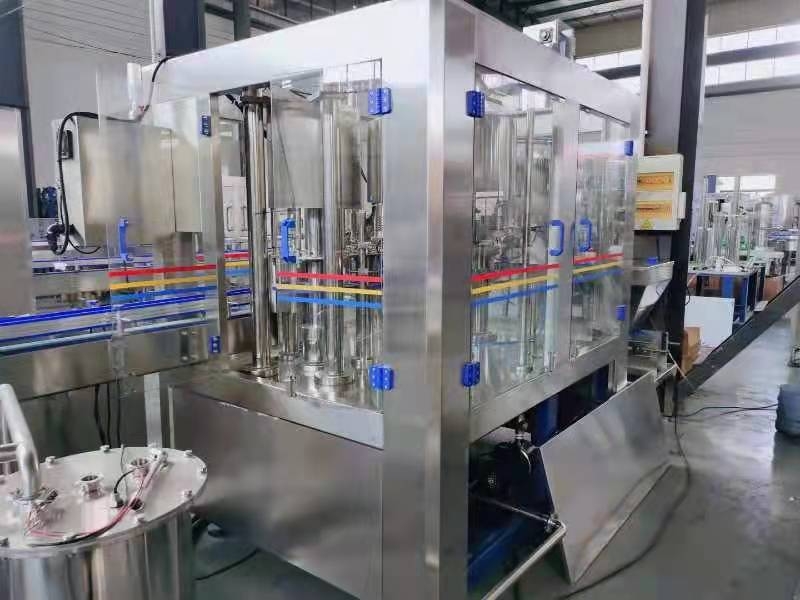
Aseptic filling is when you put products in containers in a very clean place. This stops germs from getting inside. It helps keep food, drinks, and medicine safe for a longer time. Many companies use aseptic filling because it makes products last longer on shelves. It also keeps the quality of the products high. More companies are starting to use aseptic systems now. People want more foods that can stay good on shelves. Automation helps make work faster and easier. New technology also helps make production better.
Aseptic filling keeps food, drinks, and medicine safe. It uses a clean process to stop germs from getting in.
This method lets products last up to 18 months. It does not need preservatives or a fridge, so storage is easier.
Aseptic filling keeps the taste and nutrients in products. This makes sure they are high quality and safe for people.
Using aseptic filling can help save money. It also helps the environment by using less energy and lighter packages.
Workers must be trained and follow strict rules. This stops contamination and makes sure the process works well.
You use aseptic filling to keep food, drinks, or medicine safe. This method puts your product in a clean container. The room is controlled and very clean. Both the product and the package must be free from germs. You fill and seal them after making sure they are clean. This stops spoilage and keeps your product fresh for a long time.
Aseptic filling is special because it helps products that cannot take high heat. For example, juice or milk can lose taste or vitamins if heated. With aseptic filling, you keep the flavor and nutrition. You do not need strong chemicals or heavy packages. You use a clean process and careful steps instead.
You might want to know how aseptic filling is different from other ways. Here is a table that shows how hot fill and aseptic methods are not the same:
Criteria | Hot Fill | Aseptic |
|---|---|---|
Best for | High-acid, shelf-stable foods | Low-acid, heat-sensitive products |
Upfront cost | Lower | Higher |
Shelf life | Moderate to long | Extended (12+ months) |
Packaging needs | Heat-resistant | Sterilizable, lighter-weight |
Flavor retention | May degrade delicate flavors | Excellent for sensitive products |
You can see aseptic filling is best for gentle products. It gives longer shelf life and better taste. The packaging is also lighter.
Aseptic processing uses a few main steps to keep things safe. You must sterilize, keep things clean, and handle everything with care. Each step has rules to stop germs.
First, you sterilize the product and the package. You use heat, chemicals, or filters to kill germs. After this, you move everything to a clean area. The air and surfaces stay clean there.
You must control many things during aseptic processing. Here are some important points and how you manage them:
CCP | Contamination Vector | CCS Barrier | Example Controls |
|---|---|---|---|
Personnel Entry & Gowning | Human shedding (skin flora) | Procedural | Gowning qualification, aseptic behavior training |
Entry of Materials & Equipment | Non-sterile items | Technical/Procedural | Transfer disinfection SOPs, material airlocks |
Equipment Setup & Assembly | Dirty/misaligned tools | Procedural | Validated cleaning/disinfection, equipment logs |
RABS/Isolator Glove Integrity | Glove breaches | Technical | Glove leak tests, routine integrity checks |
Aseptic Interventions | Direct contamination | Procedural | Aseptic Process Simulation, intervention training |
Grade A Airflow Integrity | Airborne particulates/microbes | Technical | Smoke studies, pressure differentials |
Sterile Filtration & PUPSIT | Filter failure | Technical | Pre-/post-use integrity testing |
Filling Needle Handling | Touch contamination | Procedural | Assembly SOPs, visual checks |
Component Transfer & Feeding | Contaminated closures/stoppers | Technical | Sterilization validation, sterile packaging |
Environmental Monitoring (EM) | Air/surface contamination | Monitoring | Real-time particle monitoring, swab/contact plates |
Tip: Always train your workers and check your machines. This keeps your aseptic area safe and your product clean.
Aseptic processing lets you control every step. You watch for risks from people, tools, air, and packages. You use barriers, clean air, and strict rules to keep things sterile. If you follow these steps, you can trust your aseptic filling process. This will protect your product and your customers.
You have to make sure everything is very clean first. This keeps germs away before you fill anything. Both the liquid and the package must be sterilized. Sterilization kills all germs and keeps things safe.
Here are the main steps for sterilization:
Get the filling machine ready. Clean and sterilize all parts to stop germs.
Make the containers sterile. Use hot air or steam to kill bacteria.
Sterilize the liquid product. Use very high heat or pasteurization to remove germs.
There are different ways to sterilize packaging:
Dry heat sterilization is good for containers that cannot get wet.
Autoclaving uses steam under pressure to kill germs.
Radiation sterilization uses strong rays to destroy germs.
Chemical sterilization uses things like hydrogen peroxide or chlorine.
Filtration catches and removes germs from drug products.
Tip: Always pick the right sterilization method for your product and package. This helps keep everything aseptic and safe.
After sterilizing, you need to keep the area aseptic. This step is important to stop germs during filling and sealing. You must control the air, surfaces, and equipment in the room.
You can use different ways to check the aseptic area:
Active air sampling uses machines to catch germs in the air.
Passive air sampling uses plates to see if germs fall from the air.
Surface monitoring uses plates to test if surfaces are clean.
Here is a table that explains each method:
Sampling Method | Description |
|---|---|
Active Air Sampling | Uses a machine to catch germs in the air. |
Passive Air Sampling | Uses plates to see if germs land on them. |
Surface Monitoring | Uses plates to check if surfaces are clean. |
You need to train your team and check equipment often. This helps keep the area clean and stops germs. You also need to follow strict rules for going in and out of the room.
Note: Keeping an aseptic area is not just about cleaning. You must always look for risks and fix problems fast.
Once everything is sterile and the area is ready, you can start filling and sealing. Your team, machines, and product must work together to keep things safe.
Here are the main steps for filling and sealing:
Move the clean containers to the filling area.
Use machines to fill the containers with the product.
Check the weight of each filled container.
Put stoppers or closures on the containers.
Seal the containers with special machines.
Label the containers for shipping.
Aseptic filling lines use machines like tunnels, isolators, and control systems. These help fill the product and seal the containers tightly. You must watch the fill amount and temperature to keep quality high.
Alert: If you skip a step or break a rule, germs can get in. Always follow the steps and check your work.
Aseptic filling gives you safe products that last a long time. You protect your customers and meet high standards by following every step.
You might ask how aseptic and sterile filling are different. Both try to keep products safe, but they use different steps. In aseptic processing, you clean the product and package by themselves. Then you fill and seal them in a clean place. Sterile filling means the finished product has no germs at all before it is closed.
Aseptic processing stops germs during making the product.
Sterile filling keeps the product germ-free, even in hard situations.
You need good training and checks for aseptic processing to stop germs.
Sterile filling uses even stricter rules and can work in tougher places.
Air can bring germs into aseptic areas, but sterile filling stays clean even when tested.
Note: Both ways need strict rules, but sterile filling needs even tighter checks.
Aseptic and hot filling use different tools and bottles. Hot filling heats the product a lot and fills it while it is still hot. Aseptic processing uses lower heat and keeps things clean by sterilizing.
Aspect | Hot Filling | Aseptic Filling |
|---|---|---|
Temperature Handling | Bottles must handle over 92 °C | Bottles handle up to 60 °C |
Packaging Materials | Thick bottles and special lids | Lightweight bottles and standard lids |
Production Line Costs | Higher due to slow bottle blowing | Lower but process is more complex |
Raw Material Costs | High-quality bottles and lids | Lower quality bottles and lids |
Operating Costs | Slower, less sterilization liquid needed | Faster, more sterilization liquid used |
Aseptic processing lets you use lighter bottles and can make work faster. Hot filling needs stronger bottles and more heat.
Aseptic processing gives longer shelf life and better quality than regular filling. With aseptic filling, products can stay fresh for up to 18 months without extra chemicals. Regular ways like hot or cold filling do not last as long and may need cold storage or chemicals.
Aseptic processing helps milk and drinks stay safe at room temperature.
Regular filling often needs cold storage and extra chemicals.
Aseptic processing keeps taste and vitamins better by using less heat.
Regular ways can lower quality because of heat or chemicals.
Aseptic processing uses a clean area that stops germs from growing.
Tip: If you want food to last longer and taste better, aseptic processing is the best way.
Aseptic processing is used for milk, cream, yogurt drinks, and juices. These drinks can spoil fast if germs get in. Using aseptic methods keeps milk and juice fresh longer. You do not have to put them in the fridge right away. This helps keep the taste and nutrients in your drinks. You can ship and store these drinks more easily. They last longer on shelves. Many juice boxes and shelf-stable milks use this process.
Aseptic processing is good for soups, broths, sauces, and purees. You want these foods to stay safe and taste good. Here are some reasons to use this method for liquid foods and sauces:
You keep the food safe and high quality.
You make the shelf life longer.
You stop germs from getting in and protect the ingredients.
You use less packaging and save energy, which helps the planet.
You do not need to add extra chemicals or preservatives.
Aseptic filling helps keep these foods fresh and tasty. When you pack them in a clean place, customers get the same quality as when you made it.
Aseptic techniques are needed for many medicines and vaccines. These products must not have any germs or they could hurt people. Groups like the FDA and EMA have strict rules for making these products. You need to:
Use good risk management.
Treat aseptic fill and finish as very important.
Follow Good Manufacturing Practices (GMP).
Make sure your building and tools meet high standards.
Train your workers well.
These rules help keep your products safe and working right. You protect people by making sure every step follows the best aseptic rules.
There are many ways germs can get into products during aseptic filling. Even a tiny mistake can let germs in. Some common ways contamination happens are:
Workers who do not follow hygiene rules or eat in the work area.
Buildings with bad air filters, bugs, or dirty floors and walls.
Machines that are not cleaned well or are hard to clean.
Raw materials that have chemicals or germs from bad handling.
The process itself, if you do not clean between each batch.
Air systems that do not filter well or move air the wrong way.
You always need to watch for germs. People are a big risk for contamination. Barriers and machines help keep people away from clean areas. Checking for problems all the time helps keep things sterile.
Your machines must be clean and work right to keep things sterile. If you do not clean or fix them often, germs can get in. You should use machines that are easy to clean. Broken parts or bad care can let germs in. You need to check and fix your machines on a set schedule. This stops problems and keeps your process safe.
Tip: Train your team to find equipment problems fast. Acting quickly can stop germs from spreading.
You have to follow strict rules to keep aseptic filling safe. Many countries use world standards to help you. Here is a table with an important rule:
Standard Name | Industry | Description |
|---|---|---|
Good Manufacturing Practice (GMP) | Pharmaceutical | Lists steps and rules to stop germs during making sterile products. |
You must write down every step and show you follow the rules. If you do not, you could lose your license or have to recall products.
Aseptic filling is harder than regular filling. You must follow strict cleaning steps. Your team needs special training to keep things clean. New machines and technology need more care. You must check every step to keep out germs. This makes the job harder, but it keeps your product and customers safe.
You need to train your workers more.
You must use better machines.
You have to check for germs at every step.
Note: Aseptic filling is harder, but it gives you safer products that last longer.
Aseptic filling helps food and drinks last much longer. You can keep products fresh at room temperature for up to 18 months. You do not need to add preservatives or keep them cold. The process uses very high heat for a few seconds. Then, the product goes into clean containers in a sterile place.
Aseptic processing uses very high heat, between 275–302°F, for a few seconds. After that, the product is put into clean containers in a sterile area. This keeps the taste and nutrients while making the food last longer without adding preservatives.
Aseptic filling keeps the taste, color, and nutrients safe. Your food and drinks look and taste fresh. The process keeps out germs and lowers the chance of contamination. You also meet strict safety rules. This helps you avoid recalls and keeps your brand safe.
Method | Nutritional Preservation | Safety Features | Shelf Life | Refrigeration Requirement |
|---|---|---|---|---|
Aseptic Filling | High | Sterile process | Long | No |
Hot Filling | Moderate | Less effective | Short | Yes |
Traditional Sterilization | Low | In-package treatment | Moderate | Yes |
Aseptic foods are made to keep their nutrition and taste. This means people get safe, high-quality, and healthy food.
Aseptic filling can save money and help the planet. You use less energy because you do not heat or cool for long. Lighter packaging means lower shipping costs and less waste.
Aseptic filling makes 23.1% less greenhouse gas than hot filling. Each bottle makes 61.8 grams of CO2e, while hot fill makes 80.4 grams.
Aseptic filling uses less energy because it heats for a short time.
You can use lighter bottles, like PET, which helps the environment.
Aspect | Aseptic Filling | Hot Filling |
|---|---|---|
Shelf Life | Up to 18 months without preservatives | Shorter shelf life |
Energy Consumption | Lower due to absence of heating/cooling | Higher due to heating requirements |
Initial Investment | Higher upfront costs | Lower initial costs |
Cost-Effectiveness | More cost-effective at large scales | Better for medium-sized facilities |
Aseptic technology helps your business grow. You can sell more ready-to-drink drinks and biologics. New machines and real-time checks make work faster and better.
Market Opportunity | Description |
|---|---|
Demand for Biologics | More biologic products mean more need for aseptic filling. These systems keep things very clean and accurate. |
Growth in Ready-to-Drink Beverages | More people want ready-to-drink drinks like teas and energy drinks. Aseptic filling helps these drinks last longer without preservatives. |
Technological Advancements | New machines with automation and real-time checks help you make products faster and keep quality high. |
Focus on Sustainability | Machines that use less energy and eco-friendly packaging are popular. This helps businesses look better for the environment. |
Tip: Using aseptic filling lets you find new customers, make your brand stronger, and help the planet.
Aseptic filling helps keep your products safe and fresh for longer. It lowers the chance of germs getting in. This method is good for food and medicine makers. You get better quality, longer shelf life, and faster work with machines. But there are hard rules and tricky machines to use. If you want to know more, look at these resources:
Aseptic Filling Strategies for high-value products and rare therapies
The 1-2-3 Guide to Aseptic Fill Finish Manufacturing
Tips on automation, isolator technology, and quality control
You use aseptic filling for vaccines and injectables. These products must not have germs. If you make medicine or food that goes into the body, you need this method. It keeps people safe from getting sick.
Aseptic filling uses clean rooms and special tools. Workers get training to keep things clean. Germs are kept out at every step. This helps protect vaccines and other products from getting dirty. It also lowers the chance of recalls or health issues.
Vaccines can be hurt by heat or germs. Fill-finish manufacturing keeps them safe and working right. This process makes sure each dose is clean and stable. People stay safe because every shot works as it should.
Yes, you can use aseptic filling for food and medicine. This method is common for vaccines and injectables. It helps keep products fresh and safe without a fridge. You can use them when needed.
Aseptic filling keeps injectables safe from germs. Each dose is checked to be safe for people. This method helps meet strict safety rules for vaccines and parenteral products.


