

Views: 0 Author: Site Editor Publish Time: 2025-12-24 Origin: Site


The global plant-based beverage industry is growing rapidly, driven by consumer demand for healthier, sustainable alternatives to dairy milk. A key technology enabling long shelf life, high quality, and safe distribution of plant-based beverages such as oat milk, coconut milk, and almond drinks is Aseptic Filling. Aseptic Filling ensures that products are filled in a sterile environment, preserving taste, nutrition, and safety without refrigeration. This in‑depth article explores the role of Aseptic Filling and the Aseptic Filling Machine in plant‑based beverage production, trends in the industry, technical comparisons, and data analysis on why aseptic processing is crucial for modern beverage manufacturers seeking competitive advantage.
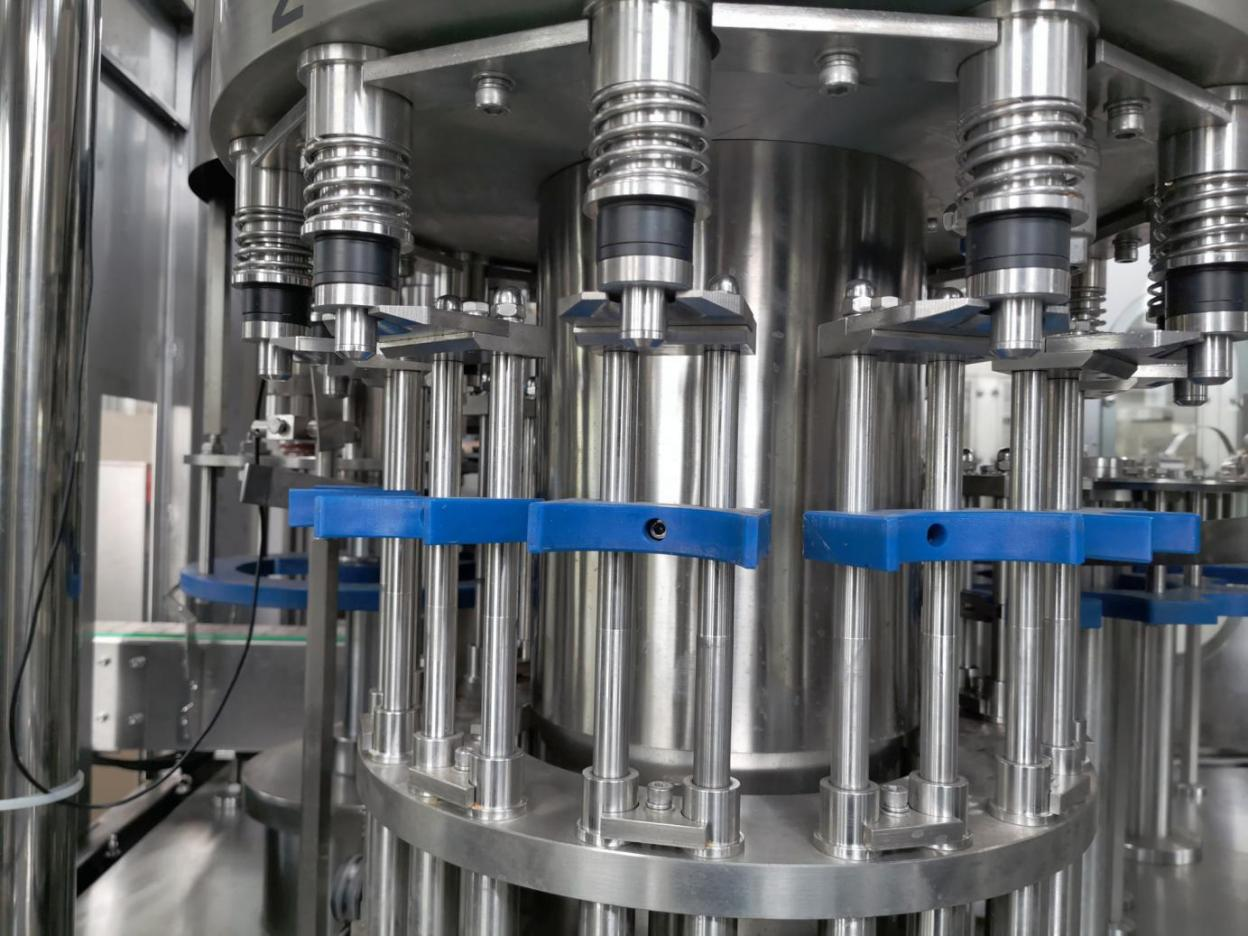
Aseptic Filling is a high‑precision packaging process where products and containers are sterilized separately before they are brought together in a sterile filling environment. This method ensures that the finished beverage product remains free of microbial contamination from the packaging line through distribution and shelf life.
In the context of plant‑based beverages such as oat milk, coconut milk, and almond drinks, Aseptic Filling allows producers to extend product shelf life without preservatives or refrigeration. The process typically uses an Aseptic Filling Machine that maintains a sterile environment through sterilized packaging, filling chambers, and advanced sterilization systems.
An Aseptic Filling Machine generally includes:
Sterilization units for packaging and caps
Filling heads designed for sterile contact
Environmental controls to maintain a contamination‑free zone
Touch‑free conveyor systems to limit handling
These components work together to ensure that plant‑based beverages such as oat milk, coconut milk, and almond drinks remain microbiologically stable throughout production.
Plant‑based beverages are sensitive to microbial growth, oxidation, and nutrient degradation. Aseptic Filling helps maintain nutritional integrity and preserves flavor by minimizing thermal impact during packaging. This is especially important for beverages like oat milk and coconut milk that are expected to deliver fresh taste and nutritional benefits without artificial preservatives.
The global plant‑based milk industry is a leading category in the broader plant‑based foods sector, with projected growth driven by consumer preferences, environmental considerations, and innovation in processing technologies.
According to industry analysis, plant‑based milk has seen consistent global growth. Market size is expected to grow from USD $38.9 billion to more than USD $120 billion by 2029. Growth drivers include increases in vegan diets, lactose intolerance awareness, and sustainability concerns.
| Plant‑Based Beverage | Key Consumer Drivers | Typical Packaging Format |
|---|---|---|
| Oat Milk | Creamy texture, sustainable crop | Carton, Bottle |
| Almond Drinks | Low calorie, nutty flavor | Carton, Bottle |
| Coconut Milk | Rich taste, tropical appeal | Carton, Bottle |
| Other Plant Milks | Soy, hemp, rice | Carton, Bottle |
These beverages benefit significantly from Aseptic Filling because the process preserves freshness and nutrients without cold‑chain logistics, helping brands reach global markets.
An Aseptic Filling Machine is central to the success of Aseptic Filling operations. These machines are designed to keep production environments sterile and maintain product quality from the filling head to the sealed package.
Modern Aseptic Filling Machines include advanced sterilization, precision dosing, and environmental monitoring systems that:
Enable stable fill levels for volume control
Maintain sterile isolation during operation
Reduce contamination risk from human handling
An Aseptic Filling Machine can handle different container types — from cartons to PET bottles — ensuring flexibility for oat milk, coconut milk, and almond drinks.
The general process for Aseptic Filling using an Aseptic Filling Machine involves:
Sterilization of packaging materials: Packaging and caps are sterilized with chemical agents or heat.
Filling under sterile conditions: The aseptic chamber ensures no microbial agents enter the product during filling.
Capping and sealing: Immediate closure to maintain sterility.
Quality verification: Inline checks to confirm fill weights and seal integrity.
This process helps plant‑based beverages maintain long shelf life — up to 6 months or more under ambient conditions — without preservatives.
Using Aseptic Filling and Aseptic Filling Machines brings multiple advantages to plant‑based beverage production. These benefits improve product quality and broaden market reach.
One of the primary benefits of Aseptic Filling is extended shelf life without refrigeration. This allows distributors and retailers to stock plant‑based beverages in ambient conditions, reducing energy costs and expanding distribution networks.
Aseptic processing minimizes thermal degradation, helping preserve heat‑sensitive vitamins and natural flavors in oat milk and other plant‑based drinks.
Advanced Aseptic Filling Machines maintain uniform fill levels and sterile conditions, ensuring consistent quality across batches and reducing product variations.
Aseptic Filling supports multiple packaging formats, such as cartons and bottles, enabling brands to differentiate products and meet consumer preferences.
Compared with cold chain logistics, Aseptic Filling Machines reduce energy consumption and transportation emissions because products can be shipped without refrigeration.
Different approaches to Aseptic Filling offer distinct advantages. Below is a comparison to help manufacturers choose the best technology for plant‑based beverages.
| Feature | Hot Filling | Aseptic Filling |
|---|---|---|
| Sterility | Achieved by high temp | Maintained throughout filling |
| Shelf Life | Limited | Extended (without refrigeration) |
| Heat Impact | Can affect flavor | Minimal |
| Packaging Flexibility | Lower | Higher |
Hot filling subjects beverages to higher temperatures, which can impact taste and nutrients. Aseptic Filling provides a gentler process optimized for quality plant‑based beverages.
| Packaging Type | Pros | Cons |
|---|---|---|
| Carton | Cost‑effective, lightweight | May require special seals |
| Bottle | Consumer familiarity, resealable | Higher packaging cost |
Both formats benefit from Aseptic Filling Machines, though the choice depends on brand strategy, cost structure, and distribution needs.
Plant‑based beverages have unique properties that influence Aseptic Filling processes.
Oat milk has a creamy texture and higher soluble fiber content. The Aseptic Filling process must control flow consistency and prevent foaming during filling. Aseptic Filling Machines often use gentle pumping and flow control to achieve consistent results.
With its rich fat content, coconut milk can be more sensitive to processing. Aseptic systems must maintain stable temperatures to avoid separation during filling.
Almond drinks often have lower viscosity but may contain fine particles. Aseptic Filling systems designed with suitable filtration and precision dosing ensure accurate volumetric fills without clogging.
Plant‑based processors adjust Aseptic Filling parameters such as fill speed, sterilization level, and environmental control to optimize outcomes for each beverage type.
Measuring the performance of Aseptic Filling operations helps manufacturers optimize production efficiency and product quality.
| Beverage Type | Aseptic Shelf Life | Refrigerated Equivalent |
|---|---|---|
| Oat Milk | 6–12 months | ~2 weeks |
| Coconut Milk | 6–9 months | ~1 week |
| Almond Drinks | 6–9 months | ~2 weeks |
Extended shelf life provided by Aseptic Filling helps reduce waste and opens international shipping opportunities.
Precision in Aseptic Filling Machines ensures that fill volumes are consistent, reducing overfill waste and lowering production costs. High fill accuracy also supports regulatory compliance and brand trust.
While Aseptic Filling is highly beneficial, manufacturers face challenges such as:
Process complexity requiring skilled operators
High capital costs for Aseptic Filling Machines
Strict sterilization requirements
Need for high‑quality raw materials
Addressing these challenges requires investing in training, maintenance, and quality controls.
As the plant‑based beverage market continues to expand, Aseptic Filling technologies are evolving.
New systems combine cold and traditional aseptic processes to tailor sterilization to delicate plant‑based ingredients.
Digital sensors, real‑time monitoring, and predictive maintenance capabilities are on the rise, making Aseptic Filling Machines more adaptive and efficient.
Innovations in lightweight packaging and reduced energy use further enhance the environmental benefits of Aseptic Filling.
Aseptic Filling is essential to the success of plant‑based beverage production, particularly for oat milk, coconut milk, and almond drinks. By using Aseptic Filling Machines, manufacturers can extend shelf life, preserve nutritional quality, and expand distribution without refrigeration. Trends in digitalization and sustainability are further advancing the efficiency and adoption of aseptic technologies worldwide.
Aseptic Filling prolongs shelf life without preservatives and preserves fresh taste and nutrients.
Yes — modern Aseptic Filling Machines are adjustable for varying viscosity and particulates.
Yes — it lowers energy needs by enabling room‑temperature storage and lighter packaging.
They are safe and microbiologically stable due to sterile filling environments.
Emerging trends include smart sensors, hybrid processes, and enhanced sustainability.


