

Views: 0 Author: Site Editor Publish Time: 2025-11-10 Origin: Site


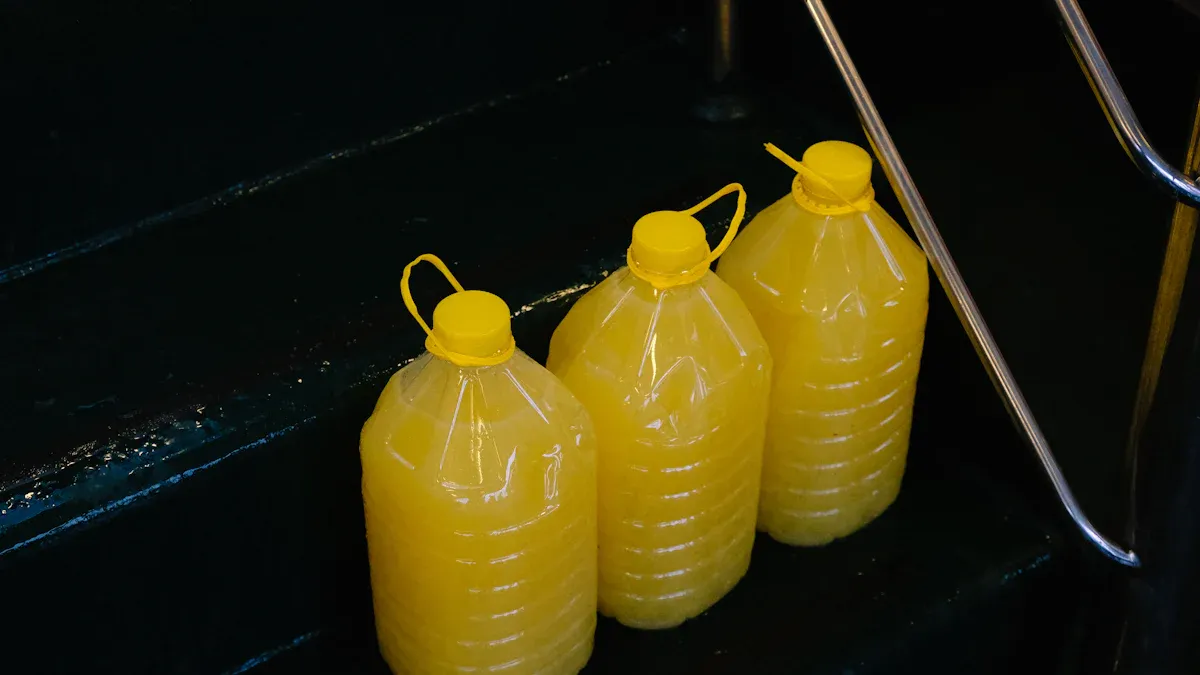
You use a BIB Aseptic Filler to put liquids in clean bags. These bags are inside strong boxes. This keeps your product safe from germs and air. The packaging helps your drinks or foods stay fresh longer. You do not need a fridge or extra chemicals. Here is how BIB aseptic filling is different:
Aspect | Aseptic BIB Packaging | Other Packaging Methods |
|---|---|---|
Hygiene | High | Varies |
Shelf Life | Extended | Shorter |
Contamination Risk | Minimized | Higher |
Need for Refrigeration | No | Yes |
The world market for BIB aseptic filling is growing fast. In 2024, it was $4.58 billion. It may reach $7.38 billion by 2032.
BIB aseptic filling keeps drinks safe and fresh. It does not need a fridge. This makes the shelf life much longer than old packaging.
The process uses clean steps to stop germs. It keeps products safe from bad bacteria and does not need extra chemicals.
Bag-in-box packaging saves money. It lowers shipping costs and needs less storage space. It is good for the earth because it makes less trash.
This packaging works for many things. It can hold drinks, milk, sauces, and even liquids for factories.
Using BIB aseptic filling can make products better and safer. It is a smart idea for companies.
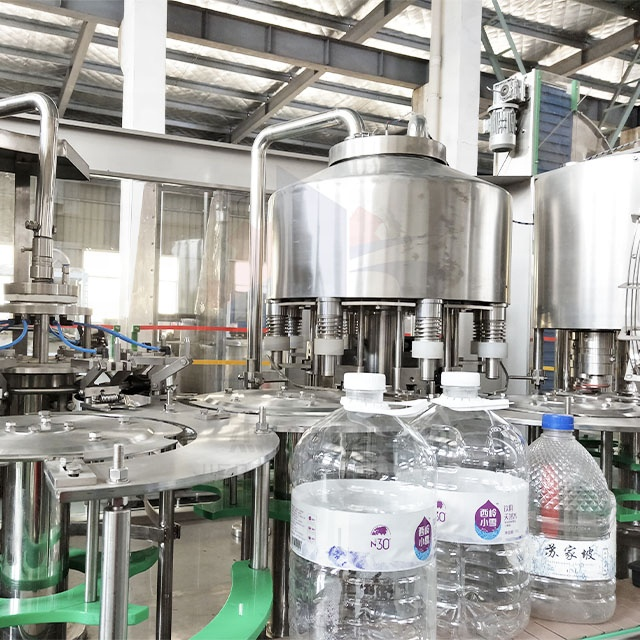
A bib aseptic filler is a machine that puts liquids into bags. It does this in a way that keeps the liquid clean and safe. This machine stops germs and air from getting in. The main part is made from SUS 304 stainless steel. This makes it strong and keeps things very clean. The technology comes from Italy and follows Euro rules. You use a special panel to control the machine. It has a PLC system and a screen you can touch. This makes it simple and safe to use.
A bib aseptic filler has many important parts. These parts work together to keep your product fresh and clean. Some parts are the aseptic filling head, the operation system, and the computer control. There is also a weight measurer, a platform, a delivery pump, a storage tank, and a pipeline for liquid.
Here is a table that lists the main parts and details of a bib aseptic filler:
Component | Specification/Detail |
|---|---|
Main Structure | SUS 304 stainless steel |
Technology | Italian technology, Euro-standard |
Welding Technology | Mirror welding for smooth lines |
Control System | PLC control, human-machine interface |
Aseptic Filling Head | Single aseptic filling head |
Measurement Tolerance | ±2% by flowmeter |
Protection | Steam-protected valves and filler head |
Cleaning Systems | CIP and auto SIP, tube-in-tube sterilizer |
Filling Process Protection | Hydrogen peroxide protection |
Filling Record | Traceable by bar code |
Filling Capacity | 5L: up to 310 bags/hour, 10L: up to 240 bags/hour, 20L: up to 160 bags/hour |
Power Supply | 220V AC 50HZ 1.5KW |
Compressed Air | 6-8 bar, 60KG/H |
Bagging Standard | 1 inch spout |
Safety Features | Safety devices to protect operators |
Hygiene Level | High hygiene with CIP automatic cleaning |
Material Compatibility | Works with high viscosity products |
Flexibility | Filling volume set freely within 1-50L |
Tip: You can use a bib aseptic filler for many drinks. It works for coffee, tea, lactic acid drinks, soda syrup, juice, smoothies, and water.
There are different kinds of bib aseptic fillers. Some are good for small amounts. Others can fill many bags at once. Here is a table that shows the most common types:
Type of Aseptic Filler | Features |
|---|---|
Pilot-scale Fillers | Good for small batch production, keeps sterility and quality |
Compact Fillers | Saves space, fits smaller operations |
High-speed Low-acid Fillers | Handles high throughput for low-acid products |
Semi-automatic Fillers | Flexible, allows manual steps |
Automatic Fillers | Fully automated, high efficiency, less labor |
A bib aseptic filler keeps your product safe from start to finish. The process has a few steps to make sure everything stays clean.
Sterilization: You clean all surfaces that touch the product. Steam and hydrogen peroxide kill germs. The machine uses clean air to stop germs from getting in.
Transfer: You put a clean bag into the feeder. The bag goes through a tunnel to the filling head. The machine puts caps on and separates the bags.
Filling: You watch the chamber conditions. The machine moves the valves. It takes off caps and uses air seals to keep germs out. The filled bags come out ready to pack.
You need to watch some important points during filling. These help keep your product safe and clean:
Critical Control Point | Description |
|---|---|
Parison Formation | You check temperature and speed to stop germs. |
Mold Integrity & Temperature | You look at wall thickness and make sure it is even. |
Filling Needle Sterility & Positioning | You check the needles are clean and in the right place. |
Air Quality & Pressure in Filling Zone | You keep the air very clean to block germs. |
Polymer & Container Compatibility | You make sure the closures fit the product, especially for sensitive items. |
In-Process Controls (IPCs) | You check the fill amount and container often. |
Environmental Monitoring (EM) | You watch for particles during key steps to meet rules. |
Note: You can set the filling volume from 1 to 50 liters. The machine works with many kinds of liquids, even thick ones.
A bib aseptic filler is a safe and easy way to pack liquids. It helps you save time and keeps your product clean.
A bag-in-box package has a smart design. It keeps your product safe. The bag has many layers. Each layer does something important. The box on the outside is strong. It protects the bag inside. The bag uses special materials. These block air, light, and water. This helps your product stay fresh and taste good.
Here is a table that shows the main layers and their jobs:
Layer Type | Material Used | Barrier Properties |
|---|---|---|
Sealant Layer | Polyethylene (PE) | Food-safe, inert, prevents taste or chemical transfer. |
Barrier Layer | Ethylene Vinyl Alcohol (EVOH) | Blocks oxygen ingress, preventing flavor degradation. |
Structural Layer | Nylon or Polyester | Provides puncture resistance and durability. |
The layers stop oxygen, water, and light from getting in. This keeps juice, oil, or other liquids fresh for a long time. Juice in a bag-in-box can last 12–18 months. Juice in other packages may only last 6–9 months.
Tip: The strong layers help keep the taste, smell, and quality of your product.
Aseptic technology uses special ways to keep products safe from germs. Aseptic processing cleans both the product and the package. You do not need to add extra chemicals or keep it cold. The bag-in-box is light and easy to store. It saves space.
New ideas have made aseptic bag-in-box systems better. Now, there are recycle-ready films and new connectors. These help the environment. They also make it easier to use with dispensers.
Here is a table of some new changes:
Key Advancement | Description |
|---|---|
Filling Systems | New systems handle many types of products and keep them safe. |
Packaging Materials | Recycle-ready films improve sustainability. |
Connector Fitments | Better connectors make it easy to use with food and beverage dispensers. |
The sterile filling process is very important. First, you clean the bag and the filling area. Steam or hydrogen peroxide kills germs. The product goes into the bag without touching air. This keeps it clean and safe.
This process keeps your product fresh and makes it last longer. The bag-in-box system blocks oxygen and light very well. For example, the oxygen barrier is less than 0.1 cc/m²/day. This is much better than many other packages.
You do not need to add extra chemicals.
You can keep products at room temperature.
You throw away less and save money on shipping.
Note: Aseptic processing in bag-in-box packaging gives you an easy way to keep your products safe and high in quality.
You want your products to stay safe and clean. Bag-in-box packaging gives you strong protection against germs and air. The aseptic bag-in-box system uses a sterile process. This process keeps your drinks and foods free from harmful bacteria. You do not need to add extra preservatives. The packaging blocks oxygen and light, which helps keep your product fresh. You can trust this method for food safety. Many companies choose bag-in-box because it lowers the risk of contamination. You get peace of mind knowing your product stays safe from the factory to the customer.
Bag-in-box packaging helps your products last much longer. The special layers in the bag stop air and light from getting in. This keeps your juice, milk, or sauce tasting fresh. You do not need to use a fridge for storage. The aseptic bag-in-box process also keeps the nutrients in your product. You do not lose vitamins or flavor over time.
Take a look at how shelf life compares:
Packaging Type | Average Shelf Life |
|---|---|
Aseptic | 6 to 12 months |
Conventional | Up to 3 months |
You can see that bag-in-box packaging gives you a much longer shelf life than regular packaging. Some products can even last over a year. This means you can ship your products farther and store them longer without worry.
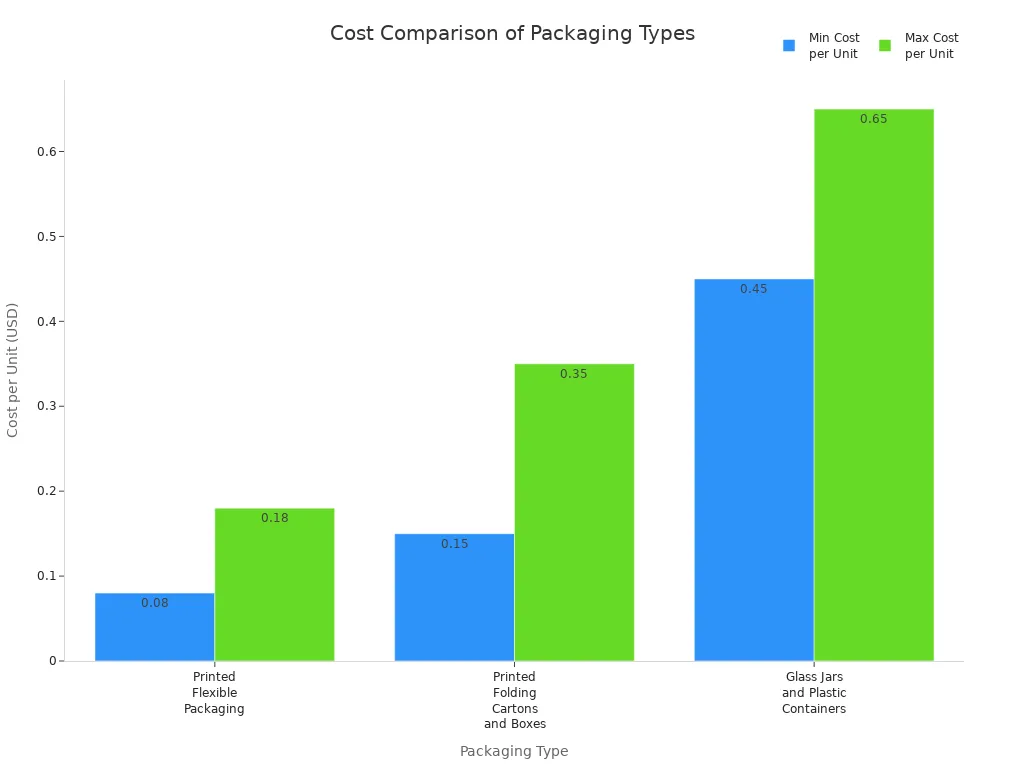
Bag-in-box packaging saves you money in many ways. The packaging is light and easy to move. You pay less for shipping because you do not carry heavy glass or thick plastic. You also use less space in your warehouse. The cost per unit is much lower compared to glass jars or plastic containers.
Here is a table that shows the cost difference:
Packaging Type | Cost Range (per unit) |
|---|---|
Printed Flexible Packaging | $0.08 - $0.18 |
Printed Folding Cartons and Boxes | $0.15 - $0.35 |
Glass Jars and Plastic Containers | $0.45 - $0.65 |
You can also see the cost savings in this chart:
Bag-in-box packaging helps the environment, too. You create less waste because the bags and boxes use fewer materials. The packaging is easy to recycle. You do not throw away heavy glass or thick plastic. Many companies choose bag-in-box because it helps them meet their green goals. You help protect the planet while saving money.
Tip: When you use bag-in-box packaging, you get safer products, longer shelf life, and lower costs. You also help the environment by reducing waste.
Bag-in-box packaging is used a lot for drinks. It works for wine, juice, and drink mixes. This system keeps drinks fresh and easy to pour. The oxygen barrier helps stop wine and juice from going bad. You can serve drinks at parties without making a mess. The tap makes pouring simple. In Europe, many wine makers use bag-in-box because it is cheap and easy. France, Italy, and Spain use this packaging a lot. The beverage market is growing fast with bag-in-box. You get easy handling and save money on shipping. The food and drink industry trusts bag-in-box for safe liquid products.
Wine
Juice
Liquid dairy products
Beverage concentrates
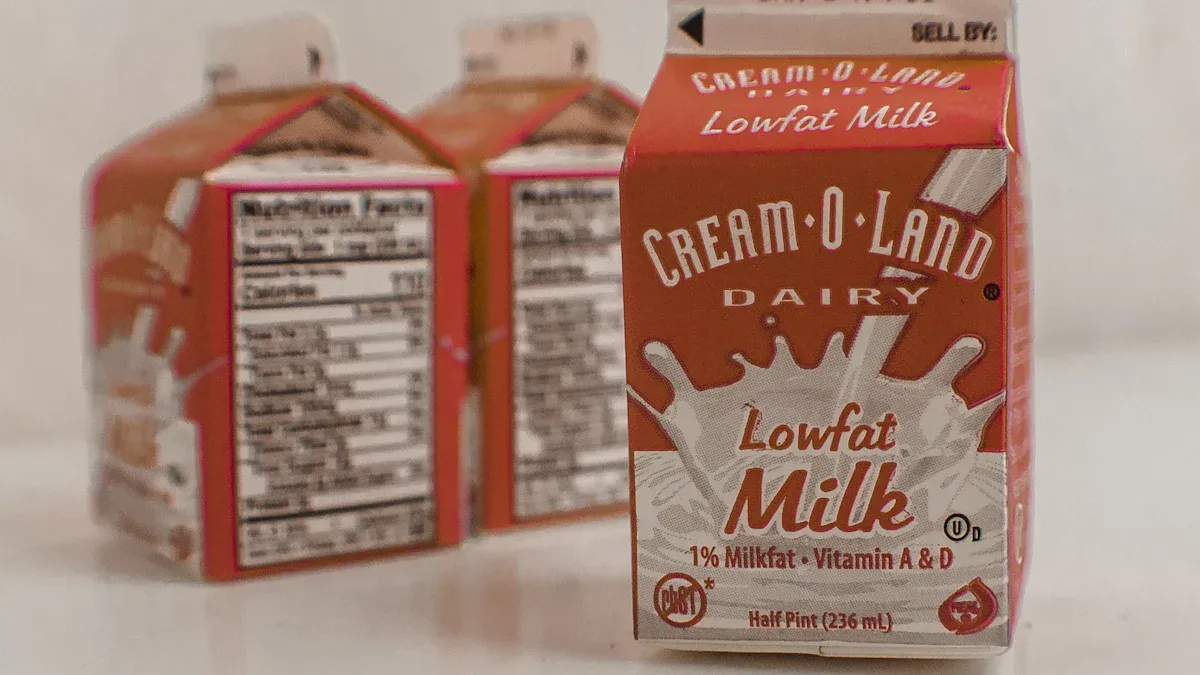
Bag-in-box packaging is good for dairy and liquid foods. You can pack milk, creamer, ice cream mix, yogurt, cheese, and liquid eggs. This packaging keeps food fresh and tasty. You do not always need cold storage. The design fits many sizes and needs. You get packaging that is easy to throw away and better for the planet.
Product Type | Packaging Benefits |
|---|---|
Milk | Stays fresh and tastes good |
Creamer | Needs less cooling |
Ice Cream Mix | No hard containers needed |
Yogurt | Comes in different sizes |
Cheese | Costs less and is easy to toss |
Liquid Eggs | Works for many uses |
Bag-in-box packaging is great for sauces and soups. It works for thick liquids too. Pump and piston fillers help fill bags with thick products. These machines change for different thicknesses. You get the right amount and easy pouring. Stainless steel keeps food safe. You stop germs and keep quality high. Bag-in-box is good for heat-sensitive foods. You can store and move them without harm.
Bag-in-box packaging is used for non-food liquids too. It works for industrial fluids, home care, and personal care items. Flexible liners keep things clean and sealed. You save up to 25% on shipping costs. You use up to 40% less space than drums or hard containers. You get back up to 98% of your product, so there is less waste. The light design makes work easier and faster. The bib segment helps many industries pack liquids safely and in a green way.
Tip: Bag-in-box packaging gives you safe and smart ways to pack drinks, dairy, sauces, and industrial liquids. You get safety, easy use, and help the environment with every use.
You have learned that BIB aseptic filling helps you pack liquids safely. It keeps your drinks and foods fresh for a long time. This way protects your products well. It also saves you money and helps the planet. You can use BIB aseptic filling for drinks, dairy, sauces, and other liquids.
Your products last longer
You know your products are safe
You spend less money
New ideas like smart tracking and eco-friendly packaging make BIB aseptic filling even better for your business.
You can use BIB aseptic systems for many things. They work for juices, dairy, sauces, and soups. You can also fill non-food liquids. The system is good for thin and thick products. Many businesses use it to keep products safe and fresh.
Most BIB aseptic products do not need a fridge. The packaging keeps them safe at room temperature. This helps you save energy and space.
BIB packaging uses less material than bottles. You make less trash and save on shipping. Many bags and boxes can be recycled.
Picking BIB helps you make less pollution.
BIB packaging keeps your food safe to eat. The sterile process stops germs and air from getting in. You do not have to add extra chemicals.
Safety Feature | Benefit |
|---|---|
Sterile Filling | Stops contamination |
Oxygen Barrier | Keeps food fresh |


