

Views: 0 Author: Site Editor Publish Time: 2025-11-26 Origin: Site


Bag-in-box gives more benefits to manufacturers than bottle aseptic filling. It costs less, works faster, and helps the environment more. Bag-in-box is a good choice for many companies. Using a BIB Aseptic Filler means you throw away less and work quicker. But, the best choice depends on what you make and who buys it. You should think about how well things run, how good your product is, how easy it is to change, and how it affects nature before you pick.
Bag-in-box systems can save money. They need fewer machines and less work from people. This makes them a good choice for companies.
Bag-in-box filling is fast and has less downtime. This helps companies make more products quickly.
Bag-in-box packaging keeps products fresh longer. It also stops more food from going bad. This helps companies waste less and sell to more people.
Bag-in-box systems can hold many sizes and types of products. This helps companies change fast when the market changes.
Bag-in-box packaging uses less plastic and makes less pollution. This helps the business and the planet.
When you choose between bag-in-box and bottle aseptic filling, you need to look at the cost of equipment. Bag-in-box systems often require a higher initial investment in machinery. You may need to buy new filling machines and sealing equipment. Bottle aseptic filling lines can also be expensive, especially if you want high-speed automation. However, bag-in-box equipment can handle larger volumes with fewer machines. Over time, you may find that the savings from using fewer machines help balance out the higher starting cost.
Tip: If you plan to scale up production, bag-in-box equipment can grow with your needs. You can add more filling heads or larger bags without replacing the whole system.
Operational expenses include labor, maintenance, and energy use. Bag-in-box systems usually need less labor because the process is more automated. You can run the line with fewer workers, which saves money every day. Maintenance costs also tend to be lower. Bag-in-box machines have fewer moving parts than bottle lines, so they break down less often. You spend less time and money fixing problems.
Energy use is another factor. Bag-in-box filling lines often use less power because they run at lower pressures and temperatures. This can lower your utility bills. When you look at the big picture, bag-in-box gives you a chance to cut daily costs and keep your operation running smoothly.
Packaging and logistics play a big role in your total costs. Bag-in-box packages are lighter than bottles. This means you pay less for shipping because trucks use less fuel. The space-saving design of bag-in-box lets you fit more product on each pallet and in each truck. You save money on both storage and transport.
Lighter packaging means lower shipping costs.
Bag-in-box packages take up less space, so you can store and move more at once.
Strong packaging protects your product, so you lose less to damage during shipping.
Traditional bottles, especially glass, weigh more and take up more space. You end up paying more for fuel and risk more breakage. If you switch to bag-in-box, you may need to invest in new machinery at first. However, you will see big savings on freight over time. The reduced weight and better protection mean you spend less on both inbound and outbound shipping. Bag-in-box also helps lower spoilage and returns, which keeps your costs down.
Note: Bag-in-box packaging not only saves money but also helps protect your product from damage and spoilage during transport.
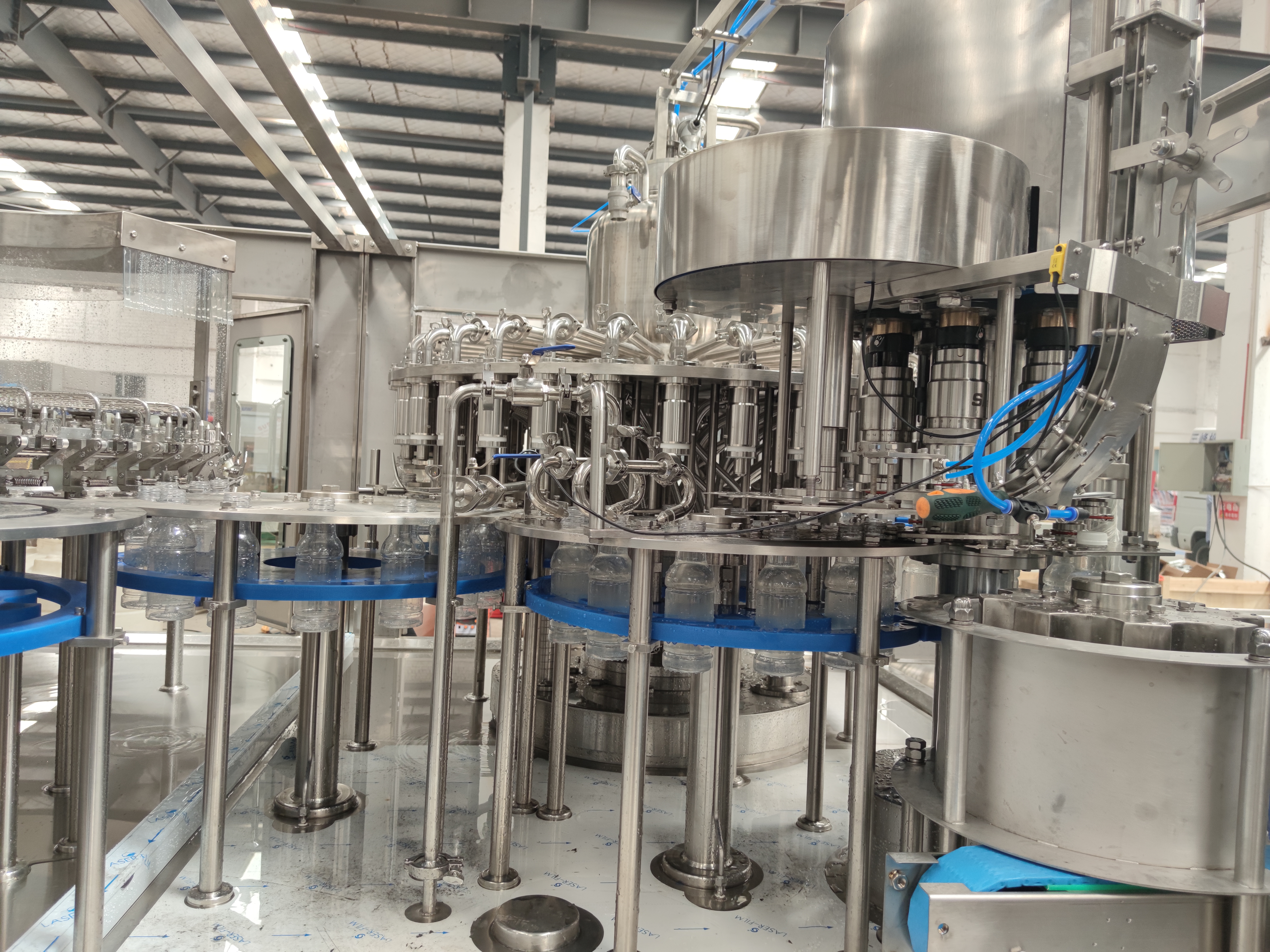
You want your production line to work quickly and easily. Bag-in-box systems use fast aseptic filling machines. These machines fill and seal many bags very quickly. Bottle aseptic filling machines are also fast, but bag-in-box lines often go faster and stop less. Automation is important for both systems. Fully automated aseptic filling machines do cleaning, sterilizing, filling, and capping with little help from people. This means you wait less and make more products.
Here is a table that shows how automation helps your production:
Feature | Description |
|---|---|
Maximize production uptime | High-speed aseptic filling machines reduce downtime between cleaning cycles. |
Adaptability | Machines can handle different bag sizes and cap types for flexible output. |
Tip: Automated aseptic filling machines let you change products and packaging styles without slowing down your line.
You can spend less on workers by using automated aseptic filling machines. These machines need fewer people to run them. You do not need many workers to watch the line or clean it. Most jobs are done by pressing a button. You can teach your team to run the machines instead of doing hard work. This saves money and lets your staff check product quality.
Automated lines need fewer workers.
Staff can focus on checking product quality.
Training is easier because machines do most of the work.
Downtime makes it hard to reach your production goals. Bag-in-box aseptic filling machines help you have less downtime with fast cleaning cycles. You can clean and sterilize the machines quickly between runs. Bottle aseptic filling machines also use automatic cleaning, but bag-in-box systems often finish faster. Both systems need a clean area and good disinfection before filling. You use pre-sterilized containers in both systems.
Here is a table comparing cleaning protocols:
Aspect | Bag-in-Box Aseptic Filling | Bottle Aseptic Filling |
|---|---|---|
Environment | Sterile, controlled | Sterile, controlled |
Cleaning Protocols | Thorough disinfection before filling | Thorough disinfection before filling |
Personnel Requirements | Limited, automated equipment | Limited, automated equipment |
Intermediate Cleaning | Aseptic intermediate clean (AIC) | Cleaned between production runs |
Equipment | Pre-sterilized containers | Pre-sterilized containers |
Note: Fast cleaning and less downtime help you make more products with your aseptic filling machines.
You want your products to last as long as possible on the shelf. Bag-in-box packaging helps you achieve this goal. It keeps your juice, milk, or other liquids fresh for a longer time than bottles. Take a look at the table below to see how shelf life compares for different products:
Product Type | Retail Bottle Shelf Life (Unopened / Opened) | Bag-in-Box Shelf Life (Unopened / Opened) |
|---|---|---|
Pasteurized orange or apple juice | 7–14 days / 3–5 days | 21–30 days / 7–14 days |
NFC cold-pressed juice (HPP) | 30–45 days / 5–7 days | 45–60+ days / 10–14 days |
ESL microfiltered milk | 14–21 days / 5–7 days | 21–30 days / 10–14 days |
You can see that bag-in-box extends the time your product stays safe and tasty. This helps you reduce waste and reach more customers.
You need to keep your products safe from germs and spoilage. Bag-in-box packaging gives you strong protection. Here is why:
Bag-in-box packaging blocks light and oxygen, which keeps your product fresh and full of flavor.
Bottles, especially glass, do not stop oxygen and light as well.
Less oxygen and light means less oxidation and spoilage. Your product keeps its taste and color longer.
You can trust bag-in-box to lower the risk of contamination. This is important for juice, dairy, and even biopharmaceutical products. You protect your brand and your customers.
You want a packaging system that fits your product. Bag-in-box works well for many liquids, including juices, dairy, and biopharmaceutical products. It handles sensitive products that need extra care. You can use it for large or small volumes. Bottle aseptic filling also works for many drinks, but bag-in-box gives you more options for bulk and sensitive items. If you make biopharmaceutical products, you need packaging that keeps your product pure and safe. Bag-in-box gives you that security.
You want a packaging system that grows with your business. Bag-in-box lines let you switch products and sizes easily. You can fill small bags for stores or big drums for bulk buyers. EasyReal’s Aseptic Filling Systems work with many container types. You can use small aseptic bags from 3 to 25 liters or big drums up to 1000 liters. This makes it easy to follow new trends or meet customer needs.
You can change bag sizes and fitments without stopping the line.
You can use different spout types for special products.
You can fill single-use bioprocess containers for sensitive liquids.
You can pick from many bag and spout types, from small bags to drum bags.
If you want to launch a new product or change packaging, bag-in-box systems make it easy. You do not need to buy new machines every time you try something new. You can also use single-use bioprocess containers for products that need extra care.
Adaptability Feature | Bag-in-Box Filling Lines | Bottle Filling Lines |
|---|---|---|
Change bag sizes | Quick and easy | Slower, may need new tooling |
Change fitments/spouts | Many options available | Limited choices |
Use single-use bioprocess containers | Yes, for sensitive products | Not typical |
Your business might grow quickly. You need a system that can handle more volume without slowing down. Bag-in-box systems give you many ways to scale up. You can start with manual filling and move to semi-automatic or fully automatic machines as you grow. This helps you save money at first and make more products later.
Feature | Bag-in-Box Systems | Bottle Systems |
|---|---|---|
Filling Technology | Manual, semi-automatic, fully automatic | Less flexible |
Scalability | High adaptability for various viscosities and sizes | Limited |
Production Efficiency | Semi-automatic and fully automatic enhance throughput | Lower throughput |
Flexibility | Quick changeover between product lines | Slower changeover |
Automation | Advanced automation reduces human error and ensures quality | Basic automation |
You can fill single-use bioprocess containers in big batches or small runs. This makes bag-in-box a smart pick for companies that want to grow. You can switch between products and volumes without long waits. If you need to fill single-use bioprocess containers for pharmaceuticals or food, bag-in-box systems help you keep up with demand.
Tip: Bag-in-box systems let you grow production and try new products faster than bottle lines.
You can trust bag-in-box to help you fill single-use bioprocess containers for many liquids. This flexibility and scalability make it easier to meet customer needs and grow your business.
You can help the planet by choosing bag-in-box packaging. This system uses much less plastic than bottles. When you fill your products in bag-in-box, you cut plastic use by up to 85% compared to rigid bottles. You also throw away less packaging after use. Bag-in-box packs fold flat when empty, so you need less space for waste. You make less trash and help keep landfills smaller.
Bag-in-box packaging protects your product from light and air. This keeps your juice, milk, or other liquids fresh for longer. You waste less product because it stays safe and tasty. You also lower the chance of spoilage, so you do not need to throw away as much.
You can reduce packaging waste and keep your products fresh with bag-in-box. This helps your business and the environment.
Bag-in-box packaging helps you lower your carbon footprint. You use less plastic and less energy to make each pack. You also save water during production. When you ship bag-in-box products, you use less fuel because the packs are lighter and fit better on trucks. This means fewer trips and less pollution.
Here is a table that shows how bag-in-box compares to glass bottles:
Packaging Type | Carbon Footprint Reduction | Plastic Usage Reduction | Transport Efficiency | Water and Energy Usage Reduction |
|---|---|---|---|---|
Bag-in-Box (BIB) | 8 times less than glass | 85% less than rigid | More efficient | Requires less than other types |
Glass Bottles | Baseline | Baseline | Baseline | Baseline |
You can see that bag-in-box uses fewer resources and creates less pollution. You help the planet by choosing this system. You also save money on shipping and storage. Bag-in-box packaging makes your business greener and more efficient.
Bag-in-box lets you protect your products, save resources, and lower your carbon footprint. You make a smart choice for your company and the world.
You want your product to stand out on the shelf. Bottle packaging gives you a classic look. You can use clear or colored bottles, custom shapes, and eye-catching labels. Many brands use bottles to show off the color and clarity of their drinks. This helps attract customers who shop with their eyes.
Bag-in-box packaging looks different. You often see it in the back room or in food service, not on the main shelf. The box gives you a large area for branding. You can print bold graphics, logos, and product information on every side. This helps your brand get noticed in bulk stores or online.
Feature | Bottle Aseptic Filling | Bag-in-Box (BIB) |
|---|---|---|
Shelf Visibility | High | Moderate |
Branding Space | Limited (label only) | Large (full box) |
Custom Shapes | Yes | No |
Tip: If you sell to retail stores, bottles may give you more shelf appeal. If you target food service or bulk buyers, bag-in-box offers more space for your brand.
You need to think about where your product will go. Bottles work well for retail shelves, vending machines, and small stores. They fit in coolers and are easy for customers to grab and go. You can sell single bottles or packs.
Bag-in-box packaging fits best in food service, restaurants, and bulk sales. You can ship large volumes to cafeterias, hotels, or factories. The packaging is strong and easy to stack. You save money on shipping because bag-in-box is lighter and takes up less space.
Bottles: Best for retail, convenience, and direct-to-consumer sales.
Bag-in-box: Best for food service, bulk, and online delivery.
Note: Choose your packaging based on where your customers shop and how they use your product. This helps you reach more buyers and grow your brand.
You need good machines to keep products safe. A bib aseptic filler uses smart machines to fill bags with liquids. These machines work quickly and fit many bag sizes. You can use a bib aseptic filler for juice, milk, or medicine. The equipment has touch screens and sensors. These help you control the filling and seal each bag tightly.
Aseptic bag filling uses special machines too. These machines fill bags in a clean space. You can pick different bag sizes and shapes. Both systems let you choose the best filling setup. You can fill small bags for stores or big bags for factories.
Tip: If you want to fill many products, get equipment that switches bag sizes fast.
Feature | BIB Aseptic Filler | Aseptic Bag Filling |
|---|---|---|
Bag Size Flexibility | High | High |
Automation Level | Advanced | Advanced |
Product Range | Wide, including pharma | Wide, including pharma |
You must keep products safe from germs. A bib aseptic filler uses heat, steam, or chemicals to clean bags and the filling area. The machine fills each bag without letting in air or germs. This keeps juice, milk, or medicine safe for a long time.
Aseptic bag filling also protects your product. The machine fills bags in a closed, clean space. You do not need to worry about outside germs. Both systems use strong seals to keep products fresh. You can trust these machines to keep products safe.
A bib aseptic filler fills bags fast and keeps them safe.
Aseptic bag filling keeps your product pure and fresh.
Both systems work well for sensitive products.
Note: You can use these machines for drinks or medicine. They help you follow safety rules and keep customers happy.
You should choose bag-in-box if you want lower costs, faster production, and better sustainability. This method works best for bulk products, food service, or when you need flexible packaging. Bottle aseptic filling fits retail products that need strong shelf presence. Think about your product type, production size, and green goals. Match your choice to your business plan and what your customers expect.
Tip: Review your needs before you invest. The right system helps you grow and stay competitive.
You can use bag-in-box for juice, milk, wine, and even some medicines. This packaging keeps liquids fresh and safe. Many companies choose it for bulk products or items that need a long shelf life.
Bag-in-box packaging weighs less than bottles. You can fit more units on each pallet. This means you pay less for shipping and use less fuel. Your business saves money and helps the environment.
You can recycle the cardboard box part. Some areas also accept the plastic bag for recycling. Always check local rules. Bag-in-box uses less plastic than bottles, so you create less waste.


