

Views: 0 Author: Site Editor Publish Time: 2025-09-08 Origin: Site


You may think a strawberry is a berry, but scientists say it is not. In science, real berries are grapes and tomatoes. Strawberries are not true berries. People call strawberries "berries" because it is common and helps sell them.
Long ago, "berry" meant "grape" in Old English.
Food labels use "berry" to make you want to buy them, but this can be confusing.
This is important for strawberries processing, because the right name changes how you see nutrition and labels.
Strawberries are not real berries. They are called aggregate accessory fruits. We eat the part that grows from the flower's base. It does not come from the ovary.
True berries, like blueberries and grapes, grow from one ovary. They have seeds inside. Strawberries have seeds on the outside. These seeds are called achenes.
Knowing how strawberries are classified is important. It helps with processing and labeling. This changes how strawberries are sorted, packed, and sold.
Strawberries have a lot of vitamin C and antioxidants. They are a healthy food, even if they are not true berries.
Always look at food labels. This tells you if a product has real strawberries or just flavoring. It helps you choose what to eat.
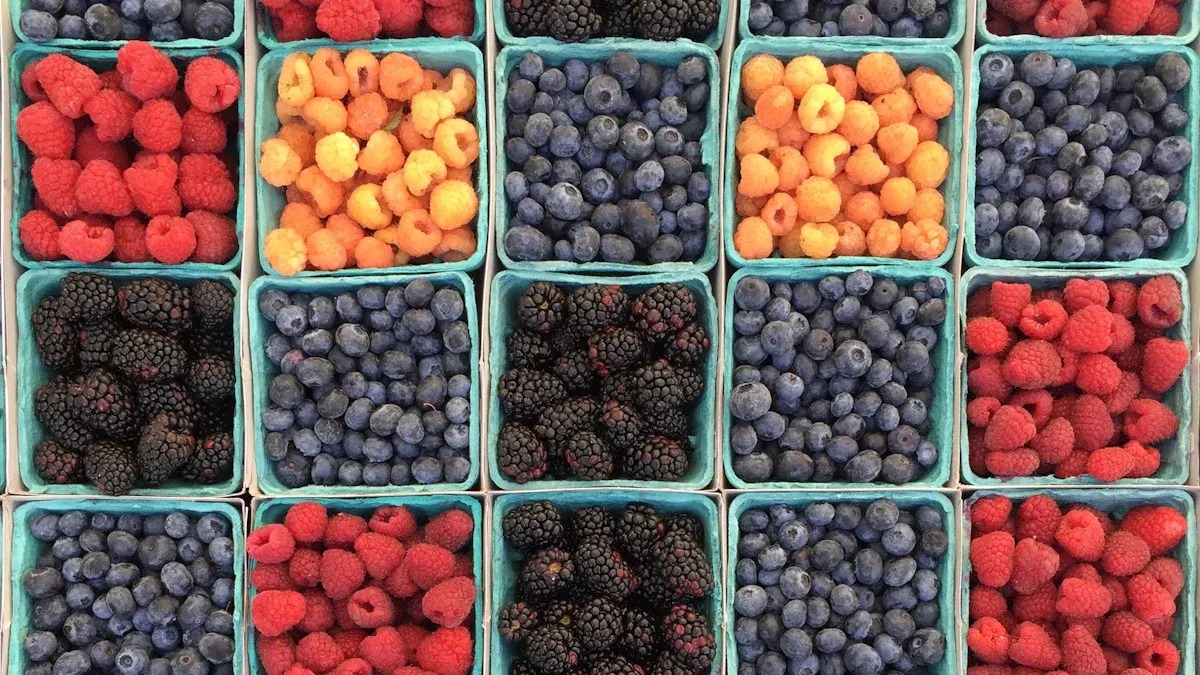
You might think any small, juicy fruit is a berry. In botany, the rules are much stricter. Scientists use specific criteria to decide if a fruit is a true berry. A berry must develop from the ovary of a single flower. It needs to have three fleshy layers and contain two or more seeds. The skin is usually thin, and the inside is soft and edible.
Tip: Not all fruits you call berries meet these scientific standards. For example, bananas and cucumbers are true berries, but strawberries are not.
Here is a table that shows the main features of a true berry:
Characteristic | Description |
|---|---|
Develops from | A single ovary of a flower |
Contains seeds | One or more seeds in the fleshy part |
Skin and interior | Thin skin and fleshy interior |
You can see that the fruit must come from one flower with one ovary. It should have seeds inside the soft part, not on the outside.
The placement of seeds and the structure of the fruit help scientists classify berries. In true berries, seeds sit inside the fleshy layers. The outer part, called the pericarp, surrounds and protects the seeds. True berries do not have a hard pit or stone. They stay whole when ripe and do not split open.
Here is a table comparing seed placement in berries and drupes:
Fruit Type | Endocarp Structure | Seed Placement |
|---|---|---|
Berries | Thin, flexible | Enclosed within a fleshy outer layer |
Drupes | Hard, stony pit | Enclosed within a hard endocarp |
You can use these facts to spot a true berry. If you see seeds inside the soft part and no hard pit, you are likely looking at a berry. This knowledge helps you understand why strawberries do not fit the berry definition in science.
You might think strawberries are berries because of their name. They also taste sweet like other berries. But scientists put strawberries in a different group. Botanists say strawberries are "aggregate accessory fruits." This means the juicy part you eat is not from the ovary. It grows from the receptacle, which is the thick base of the flower.
Note: The soft part of a strawberry is not the real fruit. It is the swollen receptacle. The tiny fruits sit on its surface.
Here is a table that shows what makes strawberries aggregate accessory fruits:
Characteristic | Description |
|---|---|
Fleshy Part | Comes from the receptacle, not the ovary |
Structure | Has many achenes from one flower’s ovaries |
Edible Portion | Big, fleshy receptacle that grows after fertilization |
You can see strawberries do not match the berry definition. The part you eat comes from the receptacle, not the ovary. The structure has many small fruits, not just one.
Strawberries Processing uses this information for sorting and labeling. It also helps with nutrition facts. When you process strawberries, you work with the swollen receptacle and the tiny fruits outside. This changes how you label and share nutrition facts.
If you look at a strawberry, you see tiny brown dots. These are called achenes. Each achene is a small, dry fruit with a seed inside. The strawberry flower has many ovaries. After pollination, each ovary turns into an achene. The fleshy part gets bigger because of hormones from the achenes.
Tip: The achenes on the outside are the true fruits. The red, juicy part is not a fruit in science.
Here is a table to help you with the terms:
Term | Definition |
|---|---|
Aggregate Fruit | One flower with many ovaries that turn into small fruits |
True Fruits | Achenes, which look like seeds on the outside |
Edible Part | The swollen receptacle, not the ovary wall |
Achenes make strawberries different from other aggregate fruits. Blackberries and raspberries have fleshy parts from the ovaries. Strawberries have a fleshy receptacle with achenes on top. This special structure changes how you sort and process strawberries.
Achenes are important in Strawberries Processing. They help the receptacle get bigger. Auxin and gibberellins are plant hormones made in the achenes. These hormones make the red part swell. When you process strawberries, you must think about both the receptacle and the achenes. This affects how you clean, cut, and label strawberry products.
Strawberries Processing must remember the edible part is not a true fruit. The achenes change the size and shape of the strawberry. This matters for sorting and packaging.
Here is another table that shows the differences:
Feature | Detail |
|---|---|
Juicy Part | Swollen receptacle from the flower |
Actual Fruits | Brown dots (achenes) on the outside |
Accessory Fruit | Made from receptacle tissue, not ovary wall |
Aggregate Fruit | Comes from many ovaries in one flower |
Now you know why strawberries are not true berries. The seeds on the outside, the many ovaries, and the swollen receptacle make strawberries special. This helps you understand Strawberries Processing and why labels and nutrition facts are different for strawberries and true berries.
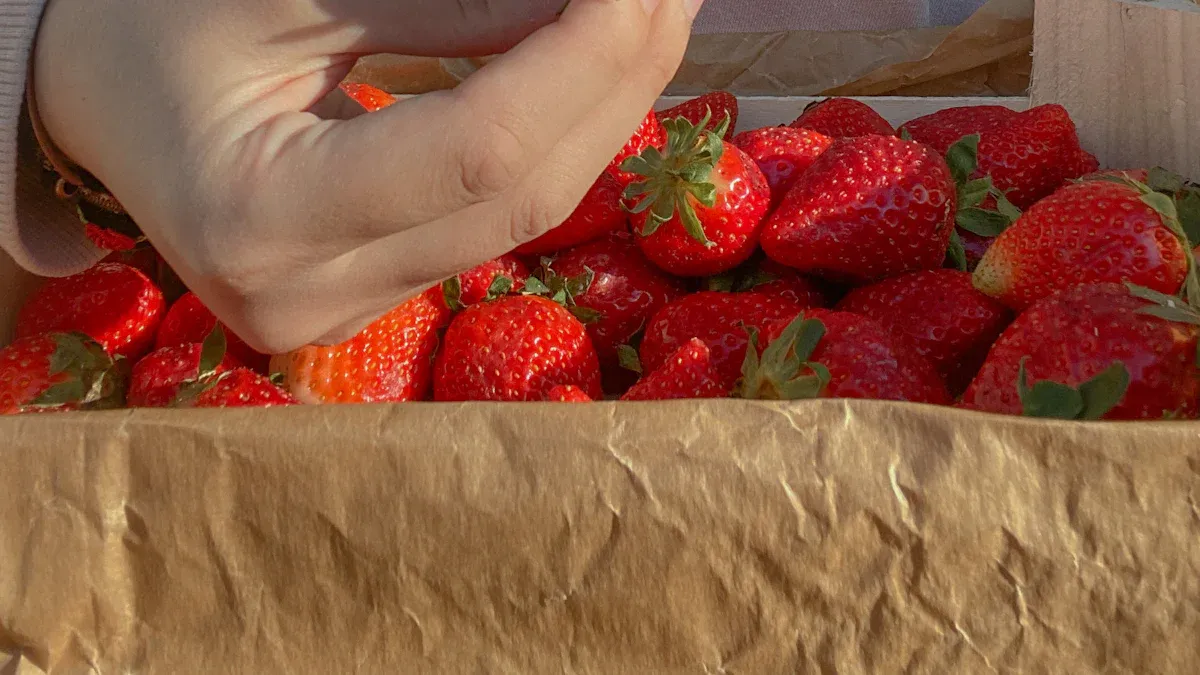
You may ask why the scientific name matters. How you classify strawberries changes how they are handled. It affects how you process, label, and sell them. In Strawberries Processing, you must follow food agency rules. These rules help you sort, pack, and ship strawberries the right way.
Food scientists and botanists work together to set standards. They make ways to check size, color, and firmness. This teamwork helps you get the best strawberries for processing. When you send strawberries to other countries, you use HS codes. These codes decide taxes and if you need special permits. Using the right name helps you avoid customs delays and can lower costs.
Here is a table that shows what must be on a strawberry label in the United States and Europe:
Requirement | Description |
|---|---|
Identification | Name and address of the packer and dispatcher must be included on the label. |
Type of produce | Name of the produce must be included if not visible from the outside; variety name is optional. |
Origin of produce | Country of origin is mandatory; local place or region is optional. |
Commercial specifications | Class and size (minimum and maximum weight) are required; number of fruits in the package is optional. |
You must follow these rules to sell strawberries in stores or ship them. Strawberries Processing depends on these details to keep products safe and legal.
You also need to know how classification changes nutrition labels. Strawberries are not true berries, so their nutrition facts are different. Strawberries Processing uses this to make labels that show real health benefits.
Nutritional Aspect | Strawberries | True Berries |
|---|---|---|
Vitamin C | Over 100% of daily value per serving | Varies by type |
Manganese | Present | Varies by type |
Folate | Present | Varies by type |
Antioxidants | High levels (ellagic acid, anthocyanins) | Varies by type |
Unique Structure | Aggregate accessory fruit | True berry structure |
Health Benefits | Supports heart, brain, and immune system | Varies by type |
Strawberries give you lots of vitamin C and antioxidants. These facts help you choose healthy strawberry products. Strawberries Processing uses this to show why strawberries are good for you, even if they are not true berries.
When you look at flavors on labels, you see different kinds. Some use real strawberries. Others use natural or artificial flavors. You should check the label to know what you are getting. Strawberries Processing must follow strict rules for flavor labeling to keep you informed.
Tip: Always read the label to see if your strawberry product uses real fruit or just flavoring.
Strawberries Processing needs clear classification to follow food laws, show correct nutrition, and help you trust what you eat.
You might ask which fruits are true berries in science. Some fruits have "berry" in their name, but not all are true berries. True berries grow from one ovary and have three layers inside. Here are some fruits scientists call true berries:
Blueberries
Blackberries
Raspberries
Cranberries
Strawberries
This list might surprise you. Strawberries are on the list, but scientists say they are not true berries. They are called aggregate accessory fruits. Blueberries and cranberries follow the strict rules for berries. Blackberries and raspberries are also aggregate fruits. People group them with true berries because they taste similar and are used the same way.
You can see differences between true berries and strawberries by how they grow and what is inside. True berries like blueberries and grapes come from one ovary. They have three layers: the exocarp is the skin, the mesocarp is the flesh, and the endocarp is the inner layer. Strawberries grow from many ovaries in one flower. The red part you eat comes from the base of the flower, not the ovary.
Here is a table to help you compare:
Feature | True Berries | Aggregate Fruits |
|---|---|---|
Definition | Fleshy fruit from a single ovary | Formed from multiple ovaries |
Examples | Blueberries, Grapes, Tomatoes | Strawberries, Raspberries |
Structure | Three layers: exocarp, mesocarp, endocarp | Composed of smaller fruits |
You can also see differences in nutrition. Strawberries have more vitamin C than blackberries. Blackberries have more fiber, vitamin K, and other nutrients. The table below shows a quick comparison:
Nutrient | Strawberries | Blackberries |
|---|---|---|
Vitamin C | 160% of the recommended daily amount | Lower than strawberries |
Vitamin K | Lower than blackberries | Higher than strawberries |
Fiber | Lower than blackberries | Higher than strawberries |
Copper | Lower than blackberries | Higher than strawberries |
Manganese | Lower than blackberries | Higher than strawberries |
Vitamin E | Lower than blackberries | Higher than strawberries |
Glycemic Index | 40 | 25 |
Tip: When you eat a strawberry, you eat the swollen base of the flower with tiny fruits called achenes on the outside. When you eat a blueberry, you eat a true berry with seeds inside the soft part.
Now you know how to tell true berries from strawberries. This helps you understand why strawberries get special rules for processing and labeling.
You have learned that strawberries are not real berries. This helps you see how strawberries processing is done and why labels are important.
Machine vision and deep learning help find bad strawberries and sort them quickly.
E-nose technology checks if strawberries are ripe and good, so you get fresh ones.
Flavor studies show each kind of strawberry tastes different and has special nutrients.
Consumer Cluster | What Matters Most |
|---|---|
Price Conscious | Wants low prices and good deals |
Nature Enthusiasts | Cares about looks and quality |
Organic Excellence | Shops for organic and certified |
Local Supporters | Likes local and sustainable fruit |
Use these facts to pick the best strawberries for you and enjoy healthy, tasty fruit every time.
No, a strawberry is not a real berry. Scientists call it an aggregate accessory fruit. The red part you eat grows from the flower’s base. It does not come from the ovary.
Food labels say "berry" so you know what the fruit is. The word makes strawberries seem sweet and easy to remember. Companies use names people know, not science names.
Strawberries have seeds you can see on the outside. These small dots are called achenes. True berries, like blueberries, keep their seeds inside the soft part.
Strawberries give you lots of vitamin C and antioxidants. The name does not change the nutrients you get. It helps you see why strawberries look and taste different from true berries.


