

Views: 0 Author: Site Editor Publish Time: 2025-09-09 Origin: Site


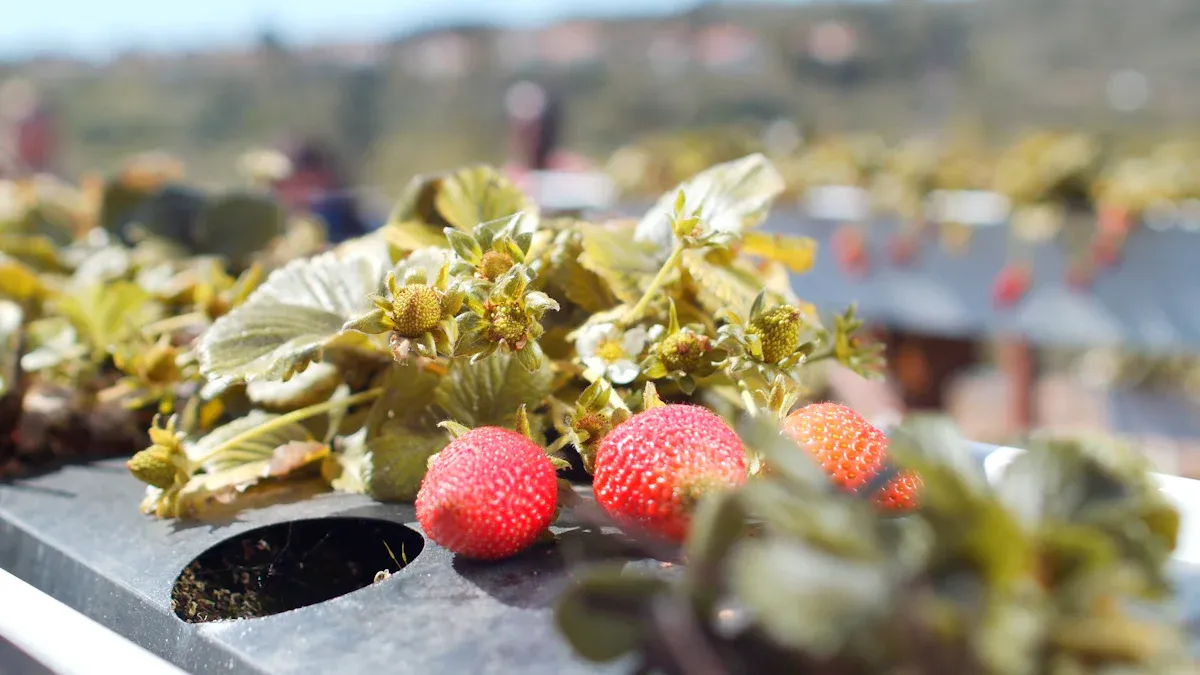
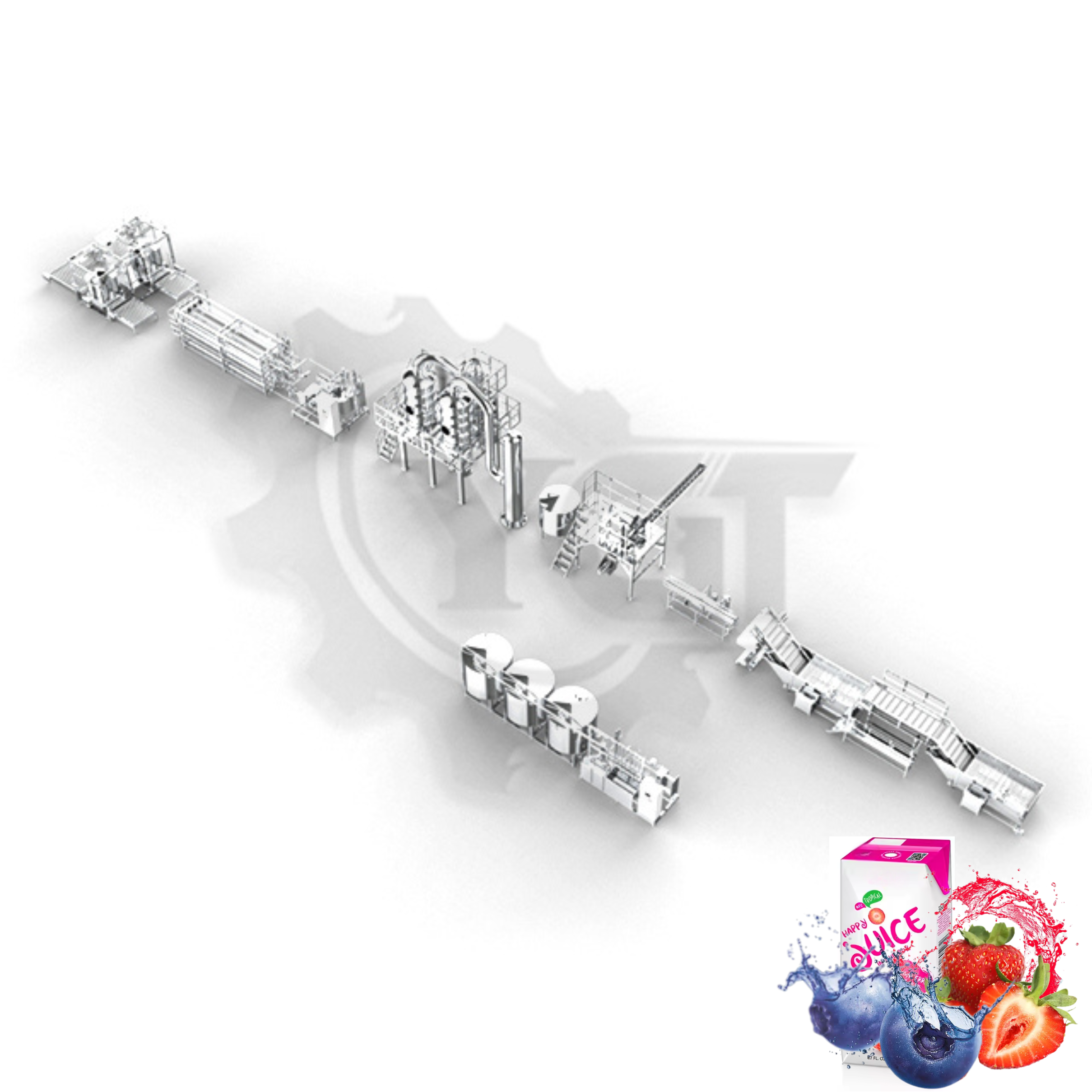
You may ask how fresh strawberries turn into the tasty products you eat. The Strawberries Processing Line uses smart machines at every step to make sure the results are great.
Harvesting, sorting, and washing take out dirt and pick only the best fruit.
Pulping, pasteurization, and packaging help keep the taste, color, and safety.
Automated systems, like AI-powered inspection and robotics, help work faster and waste less.
YGT Machinery’s all-in-one solution makes sure each step fits together well, so you always get safe, yummy, and steady strawberry products.
Pick strawberries early in the morning. This keeps them cool and fresh. It helps stop bruising and wilting.
Use special sorting machines for the best strawberries. Cameras and sensors check their quality. Only good strawberries go forward.
Wash strawberries with safe methods. Ozonated water or ultrasonic cleaning removes dirt and pesticides. These ways keep strawberries clean.
Freeze strawberries with IQF freezing. This keeps their shape, color, and nutrients. IQF stops strawberries from sticking together.
Use machines to pack strawberries. This keeps them fresh and safe. Smart systems watch quality and help cut down waste.
Harvesting strawberries happens at the right time. Early morning is best because berries stay cool. Workers pick strawberries gently so they do not bruise. They wear clean clothes and wash hands to keep fruit safe. Only ripe and undamaged strawberries go into containers. Containers are not overfilled, so fruit does not get crushed. After picking, strawberries move quickly to shaded spots. This keeps them hydrated and stops wilting. Animals and pests are kept away from fields to stop contamination.
Tip: Always pick strawberries when they are dry. Wet berries can have more soil and bacteria.
After receiving strawberries, machines sort and grade them. The Strawberries Processing Line uses cameras and sensors for this. Machine vision checks size, color, and ripeness. Near-infrared technology looks inside the fruit without cutting. Hyperspectral imaging finds defects you cannot see. Berries go on a conveyor belt. Cameras take pictures, and software sorts berries by quality.
Here are the main quality standards for sorting and grading:
U.S. No. 1 Grade: Strawberries must be one variety, well colored, and free from mold or damage.
Minimum size: Each berry should be at least 5/8 inch in diameter.
Tolerance: Up to 5% of berries may fall below grade, but less than 1% can have mold or decay.
Note: Sorting takes out moldy or rotten strawberries. Only the best fruit moves forward in the Strawberries Processing Line.
Special equipment made from SUS 304 stainless steel cleans strawberries. This material does not rust or add toxins to fruit. The washing system uses bubble generators to lift dirt and pesticides. Water moves through the system to save water and work well. Ozonated water, ultrasonic cleaning, or boiling can remove pesticides. Ozonated water cleans better than tap water. Ultrasonic cleaning removes up to 91% of pesticide residues. Boiling can remove up to 92.9% of pesticides.
Method | Effectiveness (%) | Notes |
|---|---|---|
Ozonated Water | Higher than tap | More effective in removing pesticides, especially those with lower molecular mass. |
Ultrasonic Cleaning | Up to 91.2 | Significant reduction in pesticide residues, especially for non-systemic pesticides. |
Boiling | Up to 92.9 | Highly effective for most pesticides, with notable reductions in concentration. |
SUS 304 stainless steel equipment meets food hygiene standards. It does not change strawberry color or cause contamination. Berries are rinsed under running water after soaking to remove cleaning agents.
Feature | Description |
|---|---|
Material | SUS 304 stainless steel, lead-free and non-toxic. |
Safety | Will not affect the color of strawberries or cause contamination. |
Hygiene Compliance | Fully meets export food hygiene requirements. |
Cleaning Mechanism | Bubble generator for effective pesticide removal. |
Water Management | Water circulation device extends water service life. |
Automation and good materials in the Strawberries Processing Line keep fruit safe and clean. Sensors watch the process in real time. Any batch that does not meet standards is removed. This step makes sure strawberries are ready for the next steps.
First, hulling and capping take away the green stems and leaves. Machines do this job fast and safely. You can watch capping machines work. These machines seal jars and containers tight. This keeps out air and germs. It helps stop spoilage and contamination.
Tip: Taking off caps and hulls before you process strawberries gives jams and juices a smoother texture.
Next, pulping and juice extraction crush strawberries. Special machines separate pulp from seeds and skins. These machines work quickly and handle lots of fruit. The Strawberries Processing Line can process up to 20 tons each hour. You get more pulp and waste less fruit.
Feature | Description |
|---|---|
Efficiency | Makes more strawberry pulp. |
Pulp Recovery Rate | Gives a high pulp recovery rate. |
Processing Capacity | Handles 1 to 20 tons every hour. |
You use advanced methods like high-pressure processing (HPP) and thermal pasteurization. HPP keeps juice tasty and full of nutrients. It kills bad bacteria and enzymes that spoil juice. Thermal pasteurization stops enzymes like PPO and POD. These enzymes can make juice brown or taste bad. HPP also helps keep moisture and color in strawberry products.
Here is how HPP helps:
Kills bacteria to make juice last longer.
Keeps moisture and color in juice.
Makes it easier to get healthy stuff from pulp.
You also separate pulp and clarify juice. These steps take out seeds and extra solids. Your juice looks clear and tastes smooth.
Blanching heats strawberries for a short time. This stops enzymes that cause browning and flavor loss. Blanching helps keep the bright red color and fresh taste. You cool berries fast after blanching to save nutrients.
Maceration comes next. You soak strawberries to make them soft and get more juice. This step helps you get more flavor and nutrients from each berry. You use new technology like high-intensity pulsed electric fields (HIPEF) and ultrasound processing. These methods break open plant cells. You get more juice and healthy compounds. HIPEF also keeps juice looking and tasting fresh longer.
Note: Blanching and maceration help keep color, flavor, and nutrients in strawberry products.
You test quality and shelf life in many ways. You check color, texture, sugar levels, and taste. You use spectroscopic and chromatographic methods to measure these things. You also check freshness with sensory analysis.
Method | What It Checks For |
|---|---|
Spectroscopic methods | Color and chemical makeup |
Chromatographic methods | Sugars and organic acids |
Sensory analysis | Taste and smell |
Textural analysis | Firmness and texture |
The Strawberries Processing Line uses these steps and tools to make high-quality products. You keep natural flavor and nutrients in every batch.
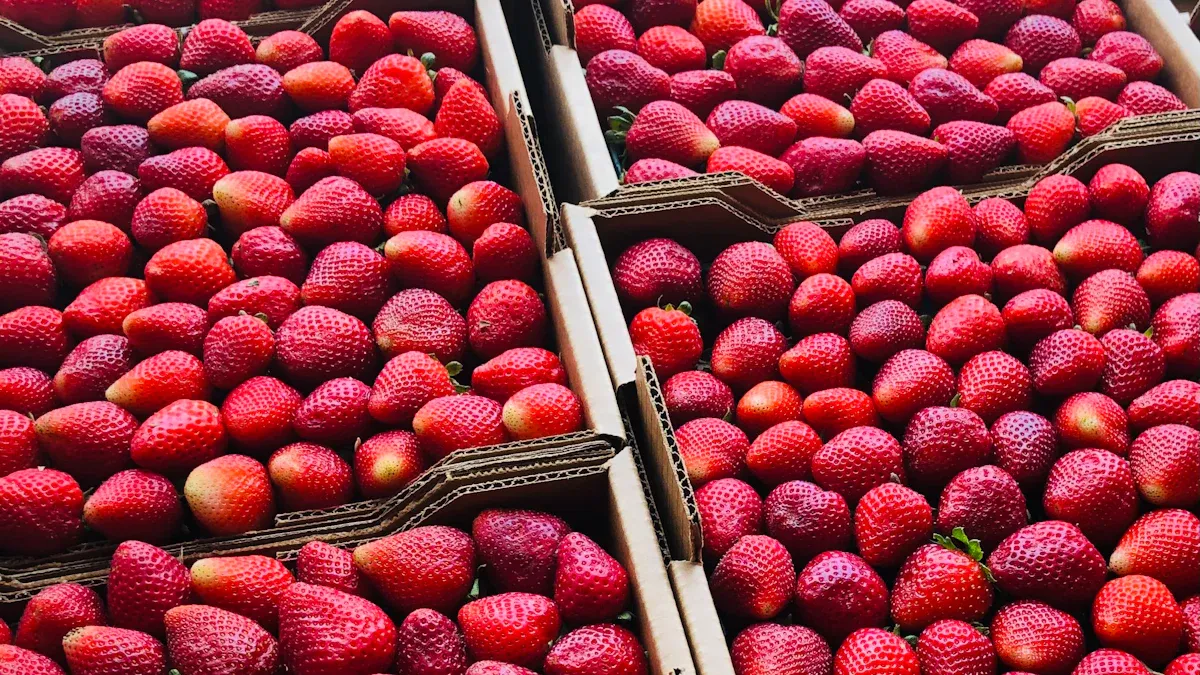
You want strawberries to taste fresh after processing. The Strawberries Processing Line uses IQF for this. IQF freezes each berry fast, so they do not stick. This keeps the fruit’s shape, color, and nutrients.
Air blast freezing is common in strawberry processing. It uses fast, cold air to freeze berries evenly. Quick freezing makes small ice crystals. Small crystals help keep berries from getting damaged. They also stop juice from leaking out when thawed. Studies show fast freezing makes more ice nuclei. This means smaller ice crystals than slow freezing. Smaller crystals help strawberries stay firm and tasty after thawing.
IQF gives you many good things:
IQF keeps more vitamins and minerals than slow freezing.
Berries stay firm and juicy, not soft or mushy.
You can store strawberries longer and waste less.
After freezing, strawberries need safe packing. New packaging uses smart containers and machines. These systems check weight and ripeness of each batch. They use cameras and AI to help workers choose well.
The Active Cool container AC-1 cools berries faster with vent holes.
The container uses recycled materials and less plastic. This helps the environment.
Automated packing lines use flow pack machines to seal berries tight. This keeps out air and water, so berries stay fresh longer.
Automated packaging, like flow pack machines, helps strawberries last longer. Tight seals keep out air and water. This keeps berries safe and fresh. Vacuum packaging takes out air to stop spoilage. Modified atmosphere packaging (MAP) changes the air inside. MAP slows down how fast berries use up oxygen. This keeps flavor and texture better.
You want every package to be safe and good. The Strawberries Processing Line checks each step.
Quality Control Measure | Description |
|---|---|
Selection and Sorting | Workers pick ripe strawberries and remove bad ones. |
Blanching | Berries are heated quickly to keep color and taste. |
Pasteurization | Puree is heated to kill germs and last longer. |
Packaging | Clean packaging keeps the puree safe and fresh. |
Sensors and cameras look for problems. AI helps find mistakes fast. You can trust each berry meets high standards.
After packing, strawberries go to cold storage. They stay at 0°C to stop decay and keep sugar high. Film packaging stops berries from drying out. This keeps strawberries fresh for up to 28 days.
AI and machines help manage the supply chain.
Smart systems track each batch from factory to store.
You get longer shelf life, less waste, and safer berries.
YGT Machinery lets you choose different options and sizes. You can process from 500 to 100,000 kg per day. This makes the system work for your needs.
You help make strawberries safe and tasty by following each step. YGT Machinery uses smart machines to keep products the same and high quality.
Machines sort, wash, and pack strawberries faster. This makes your job easier.
Cold-pressing and gentle extraction save more nutrients and flavor.
Digital tools help you check quality and safety at every step.
Research shows new technology, like spectral imaging and AI, helps you give people what they want. When you use these systems, strawberries last longer and you earn more money.
IQF means Individually Quick Frozen. Each berry is frozen fast. This stops berries from sticking together. Strawberries stay firm and keep their color. They also keep their nutrients. When you thaw them, they taste and feel better.
Machines use food-grade SUS 304 stainless steel. These machines clean, sort, and pack berries. Sensors and cameras look for problems. This helps keep strawberries safe. It lowers the chance of contamination.
Yes, you can use the same line for other berries. You can process blueberries and mulberries too. You change the settings for each berry type. The system gives you good products from different berries.
You use cameras, sensors, and AI to check berries. Machines look at color, size, and ripeness. Damaged or moldy fruit is removed. You test taste, texture, and sugar levels. This makes sure every batch is good.
You can choose vacuum packaging, flow pack, or MAP. Each type helps strawberries stay fresh longer. You pick the best packaging for your needs and market.


