

Views: 0 Author: Site Editor Publish Time: 2025-12-17 Origin: Site


You have an important job to keep products safe with aseptic filling systems. If you make mistakes, germs can get in and the product can go bad. Using advanced machines like the Aseptic Filler from YGT helps you keep things clean and safe. Many companies have problems when they do not follow the right steps or pick the wrong machines for their aseptic filling systems. You can learn from what others have done to stop these problems. The table below shows how advanced aseptic filling systems stop germs better than old ways:
Feature | Benefit |
|---|---|
Thorough Multi-Stage Washing | Makes sure ampoules are clean inside and outside, taking away dirt and germs. |
High-Temperature Sterilization | Destroys any germs left and stops them from coming back. |
Aseptic Gas Purging Before Filling | Pushes out air and dust, making the inside safe. |
Precision Filling in a Sterile Zone | Stops germs and dust from getting in during filling. |
Immediate Sealing | Keeps everything clean and stops germs after filling. |
Integrated Automation | Lessens mistakes by having fewer people touch the product. |
You should always use clean steps and pick the right aseptic filling systems to keep your products safe.
Build strong barriers to stop germs from getting in. Use RABS or isolators far from busy places to keep the area clean and safe.
Try to have fewer people in aseptic areas. Use machines to do more work and lower the chance of germs spreading.
Pick equipment that fits aseptic rules. Make sure it is simple to clean and works well with RABS or isolators.
Always follow cleaning and sterilizing steps. Check tools and filters often to keep the area germ-free.
Spend time teaching staff and make quality important. Training often helps stop mistakes and makes sure everyone knows the rules.
A strong barrier is needed to keep products safe. If the barrier is not designed well, germs can get in. This can cause cross-contamination. Some companies use open access or put restricted-access barrier systems (RABS) in busy places. For example, one company put RABS near a busy area. This caused airflow problems and failed tests. Another company used plastic strip curtains instead of glove ports. This led to more particles and higher contamination risk.
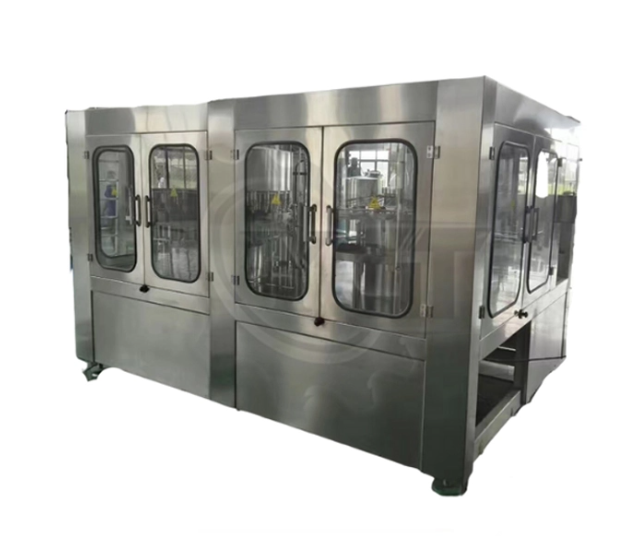
A good barrier design uses RABS or isolators to keep people away from the sterile area. This helps stop contamination and cross-contamination. The Aseptic Filler from YGT uses a sterile design. This keeps the process safe and helps protect patients. Always check airflow and make sure RABS are in the right spot. This helps you follow filling rules and meet standards.
Tip: Always use glove ports and keep RABS away from busy areas to lower contamination risk.
When people work too much in the aseptic filling area, contamination risk goes up. Human operators bring germs into aseptic filling operations. Every time someone enters the sterile zone, new risks come in. Studies show less human activity means fewer contamination events. If you open the RABS often or touch the product, cross-contamination risk increases.
You can lower this risk by using automated systems and advanced machines. The Aseptic Filler uses automation and metering to reduce human contact. This keeps the process inside a sterile field and protects patients. Train your staff to avoid unnecessary actions. Use robotics or isolator technology when you can.
Less human contact means less contamination.
Keep people away from sterile items.
Use RABS and automation to control contamination risk.
Picking the wrong filling equipment can cause many problems. If you choose machines that do not meet aseptic design standards, you risk cross-contamination and recalls. Good equipment should be easy to clean, validate, and support RABS or isolators. You also need to think about container type, filling speed, and rules.
One example shows old machines without RABS caused leaks and contamination. The best way is to pick equipment like the Aseptic Filler. It supports a sterile manufacturing environment and works for different products. This machine helps you follow aseptic rules and keeps your process safe.
Here is a table to help you choose the right equipment:
Criteria | Why It Matters |
|---|---|
Validation and Qualification | Makes sure the machine works right and meets safety standards. |
Cleaning and Sanitization | Stops cross-contamination and keeps the process sterile. |
Personnel Training | Reduces mistakes and contamination risk during aseptic processing. |
Container Type and Size | Makes sure the machine fits your product and process needs. |
Aseptic Design (RABS/Isolator) | Keeps the process inside a sterile field and lowers contamination risk. |
Regulatory Compliance | Helps you meet FDA and GMP rules for patient safety and assurance. |
Supplier Expertise | Gives you better support and reliable equipment for aseptic filling. |
Note: Always pick equipment that supports RABS and has a sterile design to protect your product and process.
By avoiding these aseptic filling mistakes, you make things safer. You lower contamination risk and give customers more assurance. You also make your aseptic processing more reliable and meet all rules.
You need to pay close attention to cleaning and sterilization. If you skip steps or use the wrong way, contamination can happen fast. Rules like cGMP and ISO cleanroom classifications are very strict about cleaning. For example, ISO 5 cleanrooms only let in a tiny amount of particles. Higher ISO ratings need even stronger cleaning to stop contamination. If you do not follow these rules, you might have product recalls or fail media fill validations.
Many problems start when instruments are not ready. Here are some common mistakes people make:
Not cleaning instruments well before sterilization.
Using the wrong cleaning steps or washer cycle.
Putting too many items in the sterilizer at once.
Using quick steam sterilization instead of a full cycle.
Putting the wrong instrument in a tray.
Not letting items cool before touching them.
Each mistake makes contamination more likely. You need to check every cleaning step with the validation process. Always make sure your instruments are ready for sterilization. Use the right washer cycle and do not rush. The Aseptic Filler from SHANGHAI QINGJI BEVERAGE MACHINERY CO.,LTD is easy to clean and helps keep things sterile.
Tip: Make a checklist for instrument preparation. This helps you remember every step and keeps your process safe.
Filters are important for keeping air and products sterile. If you do not handle filters the right way, contamination can spread fast. Some common filter mistakes are:
Not checking HEPA filters for leaks or seal problems.
Using the wrong filter for sterile filtration.
Touching filters with your hands during installation.
Keeping solutions for sterile filtration in unsafe places.
Regulatory checks often find problems with HEPA filters. You must test and check filters often. Routine validation and media fill validations help you find problems early. Advanced machines like the Aseptic Filler use strong filter management to lower contamination risk. You should always follow rabs protocols and keep up with filter care.
If you want to stop contamination, focus on both instrument preparation and filter handling. Good cleaning and sterilization keep your product and customers safe.
It is very important to follow cleanroom rules in aseptic filling. Cleanroom standards help keep products safe from germs. If you do not follow these rules, germs can get in. A cleanroom is a special place with controlled air and space. Airflow, what people wear, and where things are placed all matter.
People can bring in germs. You can stop this by doing these things:
Talk less so fewer particles go into the air.
Do not wear makeup or jewelry from outside.
Smoke far away from the cleanroom and shower after smoking.
Put on protective gear from head to toe to keep things clean.
You also need to watch how things come into the cleanroom. Use airlocks and clean everything before it goes in. Put equipment where it does not block the air. Rabs systems help keep the sterile area safe by stopping people from getting too close. If you skip these steps, you might fail tests or have to recall products.
You must always check your cleanroom. If you do not check, germs can spread without you knowing. This can make products unsafe. Checking the environment helps you pass tests and follow rules. It also keeps rabs systems working right.
If you do not check, you may miss a problem until it is too late. For example, one company stopped checking and did not see more particles in the air. This caused a big problem and ruined a batch. You can stop this by making a plan to check often and acting fast if you see changes.
Tip: Always look at your check-up data and change your rabs rules if needed. This keeps your process safe and helps you pass tests.
By following good cleanroom rules and checking the environment, you keep your products and customers safe from germs.
Aseptic filling systems need more than machines and rabs. You also need good staff training and a strong quality culture. If you do not have these, even the best rabs and equipment cannot keep products safe.
If your team does not get enough training, mistakes can happen. These mistakes can cause contamination, failed rabs checks, and unsafe products. The table below shows common errors from poor training:
Common Errors | Description |
|---|---|
Inadequate Initial and Ongoing Training | Employees do not get enough training before or during aseptic operations. |
Poor Gowning Practices | Operators skip steps or do not wear rabs-approved gear, raising contamination risk. |
Lack of Aseptic Technique Qualification | Staff are not qualified for rabs or aseptic tasks, leading to unsafe actions. |
Failure to Monitor and Address Aseptic Behavior Violations | Supervisors do not watch for mistakes, so bad habits continue. |
Deficient Environmental Monitoring Training | Operators do not know how to check rabs or cleanroom conditions, causing errors. |
You might see wrong aseptic techniques or poor rabs handling if training is weak. Some workers may not follow rabs rules, which can cause contamination. You need strong training programs to fix this. Here are steps you can use:
Set clear learning goals and rabs standards.
Use tests to check rabs knowledge.
Track how much staff join rabs training.
Link training data to human error rates in rabs areas.
Watch rabs performance on the job.
Get feedback from staff and rabs supervisors.
Use systems to review rabs training.
Keep making rabs training better over time.
Tip: Regular rabs training and checks help your team avoid mistakes and keep things safe.
A strong quality culture helps every part of aseptic filling. If your team does not care about quality, rabs protocols can fail. For example, in one plant, a worker used an unsterilized tool during rabs work. This caused contamination and showed poor training and weak quality focus. Another time, an operator shed skin particles in a rabs area, which ruined a batch.
You must build a culture where everyone cares about rabs and quality. Here are ways to hold your team responsible:
If a ward misses rabs hygiene goals for three months, make a task force to help.
Many wards act after two months of rabs problems, showing self-motivation.
Set easy rabs goals, like a 10% improvement, so staff do not feel stressed.
Staff follow rabs rules better when they know why they matter. You should talk about situation-sensitivity, reference-sensitivity, ethical-sensitivity, and infection-sensitivity in rabs training. Nurses and doctors may need different rabs plans.
Note: When you invest in rabs training and a strong quality culture, you lower contamination risks and improve your aseptic filling results.
You might want to save money on your aseptic filling system. But trying to cut costs can cause big problems. If you skip important steps or buy cheaper equipment, you put people at risk. Some companies try to save money by doing less maintenance or using cheaper rabs systems. At first, they spend less money. Later, their machines break down more often. For example, one company spent less on maintenance. Their costs went from $35 million to $27 million each year. But their reliability dropped from 93% to 78% in six years. This caused them to lose over $1.2 billion in three years.
The table below shows what can go wrong if you skip safety steps:
Deficiency Type | Regulatory Basis |
|---|---|
Inadequate Procedures | 21 CFR 211.113(b) & FDA Aseptic Processing Guide |
Lack of Validated Processes | 21 CFR 211.113(b) & FDA Aseptic Processing Guide |
Facility Design Flaws | 21 CFR 211.42(c)(10) & EU Annex 1 |
Weak Control Systems | FDA Aseptic Processing Guide & PIC/S PI 007-6 |
If you do not buy good rabs and equipment, you could have recalls or get in trouble with the rules. Always pick quality instead of just saving money for now.
You must keep your rabs and aseptic filling equipment in good shape. If you skip regular maintenance, your machines can break down more. This happens most at the start or end of production. You will see more problems if you do not check your rabs often. Small problems can turn into big failures. Experts say waiting to fix things because of money can make the whole system stop working. If you wait too long, repairs cost more and take more time.
Here are steps to keep your rabs and machines working well:
Clean and sanitize all surfaces after every use.
Check rabs and machines for broken or worn parts.
Add oil to moving parts when needed.
Calibrate sensors and parts often.
Teach your team how to use and care for rabs.
You should use hydrogen peroxide and isopropyl alcohol to clean. Sterilize parts with an autoclave or safe chemicals. Doing regular maintenance makes your rabs and machines work better. This helps you follow safety rules and keeps your products safe.You can face many problems with aseptic filling systems. Some mistakes are poor gowning, weak technique, bad seals, and dirty environments. These mistakes can make products unsafe. They can also cause you to fail inspections. You can lower these risks if you plan ahead. You should use advanced machines like the Aseptic Filler. This machine has sterile chambers and HEPA filters. It uses non-contact filling to keep products safe. Keep up with industry rules by doing hands-on training. Take regular tests and refresher classes. If you keep learning and improving, you protect your products and customers.
The biggest mistake is bad barrier design. Germs can get into the sterile area. You need to check barriers often. Use the right equipment to keep products safe.
Clean your equipment after every run. Follow your company’s cleaning plan. Cleaning often stops germs and keeps products safe for people.
Training helps your team do things the right way. Trained staff make fewer errors. When your team knows what to do, you protect products and follow safety rules.
Yes. Automation means people touch the product less. Machines like the Aseptic Filler use smart technology to keep things sterile and safe.


