| Quantity: | |
|---|---|


YGT
Product Description
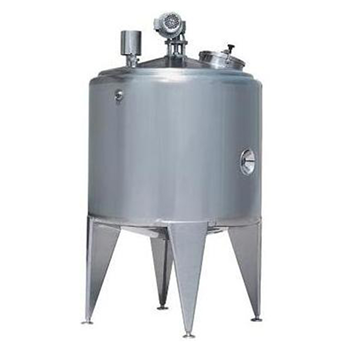
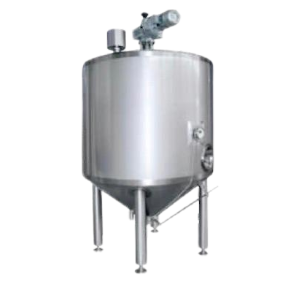
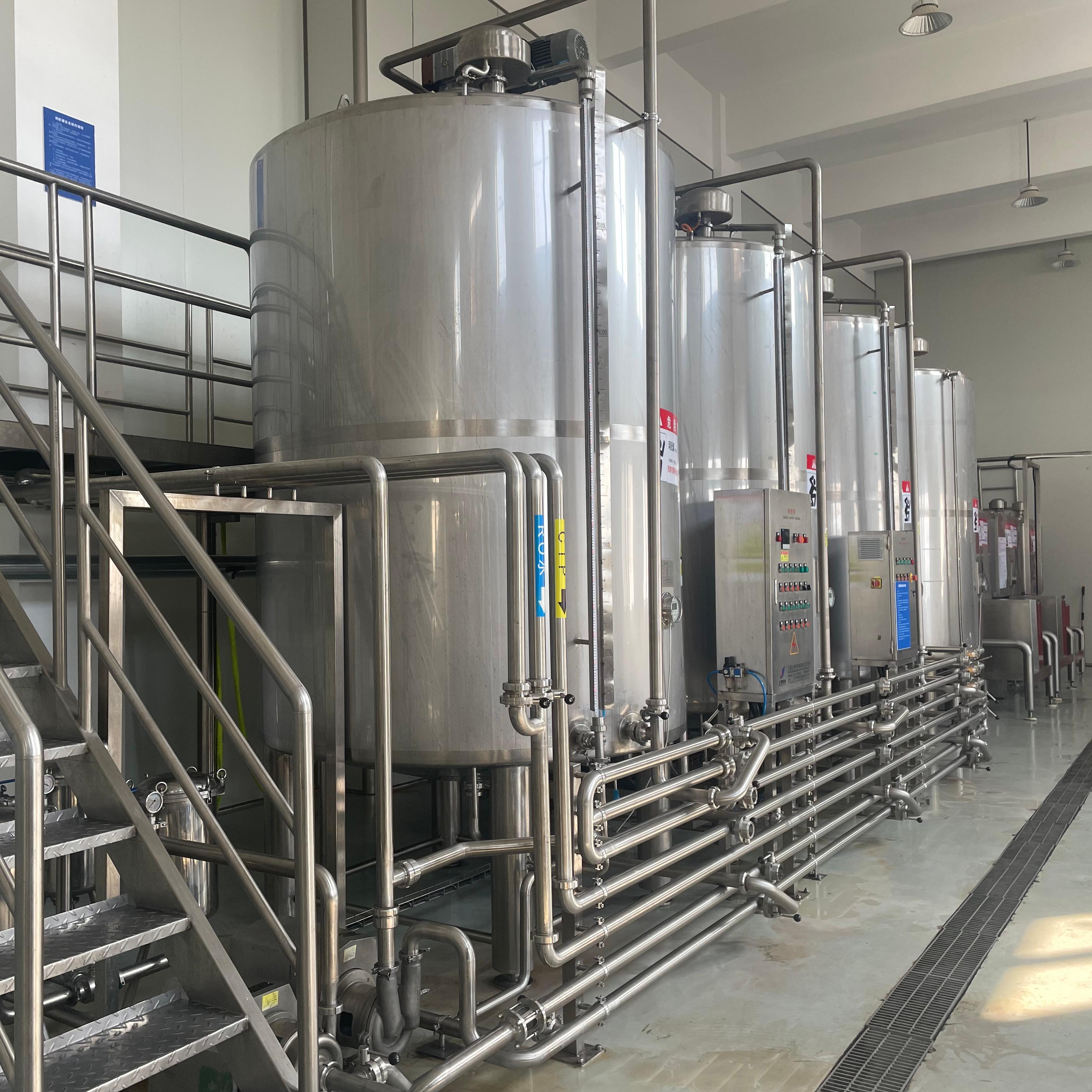
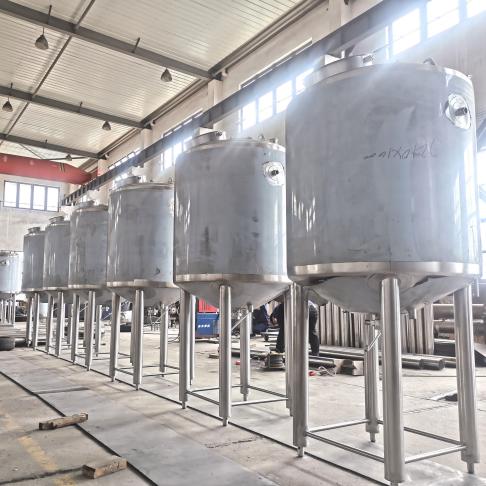
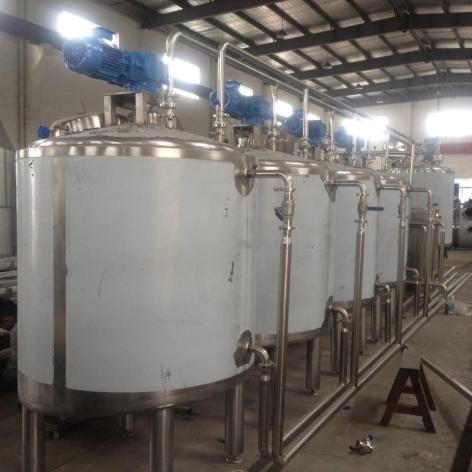
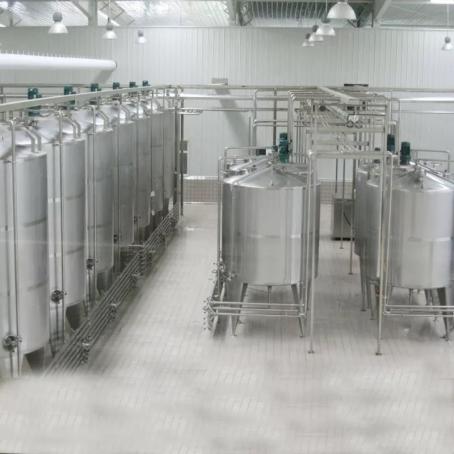
A mixing tank is an industrial vessel designed to mix, emulsify, homogenize, or fuse liquids, solids, and gases using agitators or high-shear tools under controlled parameters (speed, temperature, time, pressure). In YGT’s design, sanitary SS304/316L construction and hygienic details help ensure batch-to-batch quality and consistency across pharma, chemical, and food & beverage processes.
|
|
Materials & Hygiene: SS304/316L contact parts, sanitary welds, CIP/SIP-ready spray balls, sealed manway, tri-clamp fittings.
Process Control: VFD speed control, temperature probe with heating/cooling jacket, optional vacuum/pressure design, level sensors.
Agitation Options: Anchor/scraper, paddle/propeller, turbine, bottom entry high-shear homogenizer; customized baffles for vortex and mixing efficiency.
Operator Friendly: Lift-assist or hinged lids, sight glass & light, sampling valve, drain designed for full discharge; skid or platform integration.
Compliance & Safety: Food/biopharma-grade gaskets, overload & interlock protection, documentation and FAT support.
Production process:
Step 1: Filling
Ingredients (liquid, powder or syrup) are placed in the tank.
Step 2: Mixing and stirring
Electric stirrers or high shear mixers ensure thorough mixing.
Step 3: Heating/cooling (if applicable)
For temperature-sensitive products, a jacket system controls the temperature.
Step 4: Homogenization (if required)
High shear emulsifiers can be added for fine mixing of thick or viscous liquids.
Step 5: Discharging and further processing
The finished product is pumped out for filtration, pasteurization or packaging.
1. Tank – Made of SUS304/SUS316L stainless steel, hygienic and corrosion-resistant.
2. Mixing System – Can include impeller, paddle or high shear homogenizer.
3. Jacked Design (optional) – Can be heated or cooled with steam, hot water or chilled water.
4. CIP (Cleaning in Place) System – Automatic cleaning without disassembly.
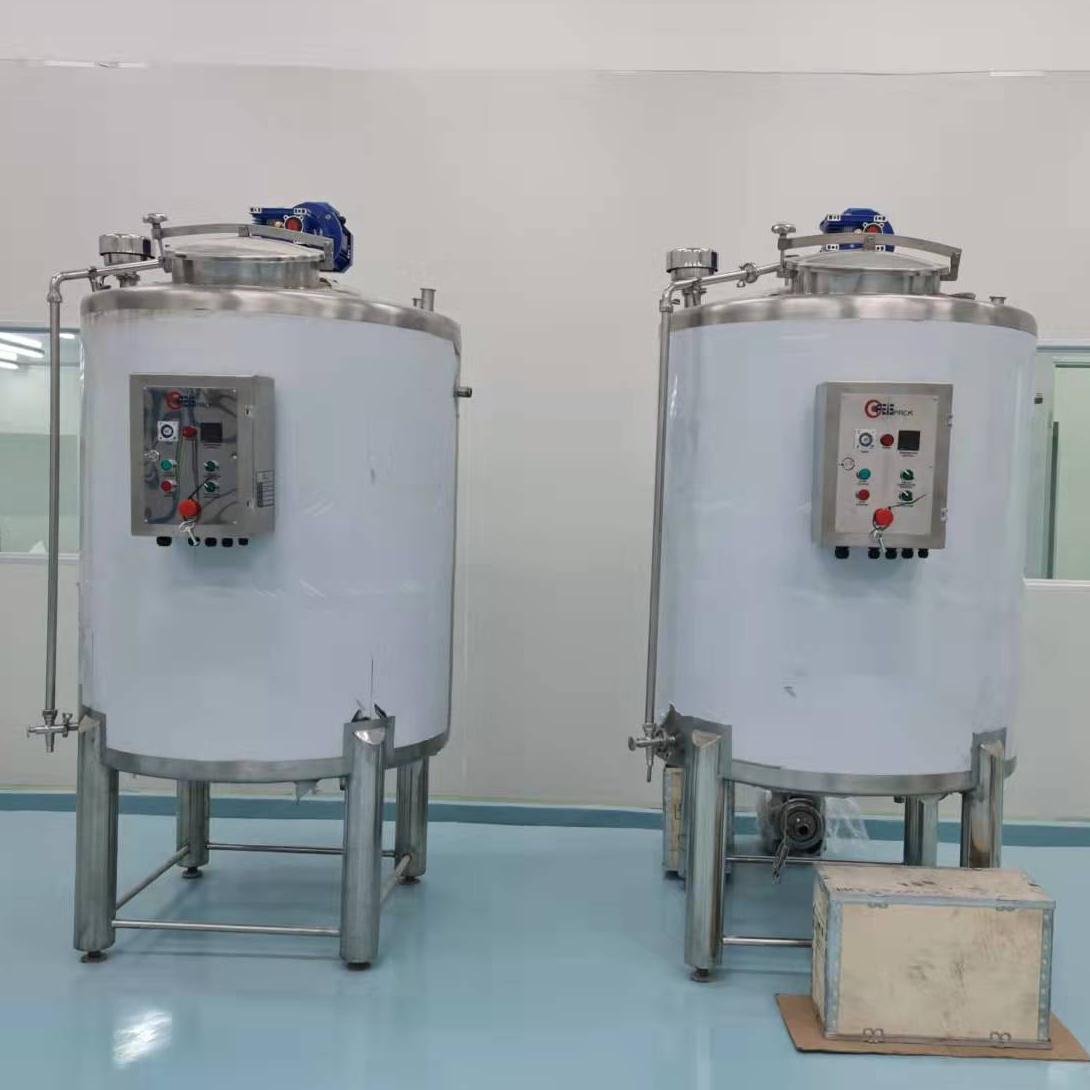
5. Control Panel – Can be operated manually or automatically based on PLC.
|
|
|
Mixing tanks use agitators or high shear mixers to thoroughly mix the ingredients. The process includes:
1. Ingredient feeding: Liquid and/or powdered ingredients are added to the tank.
2. Agitation and mixing: The mixing mechanism (impeller, paddle or high shear emulsifier) ensures uniform mixing.
3. Temperature control (optional): Jacketed tanks can provide heating or cooling for temperature-sensitive products.
4. Homogenization and emulsification: Additional high shear mixing can be used for finer mixing.
5. Discharge and further processing: The final product is pumped out for the next stage (e.g. pasteurization or filling).
Technical parameter:
Specification | Details |
Processing Capacity | 500 – 10,000 L (customizable) |
Agitator Type | Anchor / Paddle / High-Shear / Magnetic Stirrer |
Mixing Speed | 10 – 3000 RPM (adjustable) |
Material | SUS304 / SUS316L Stainless Steel |
Jacketed Heating | Steam / Hot Water / Electric Heating (Optional) |
Temperature Range | 5°C - 150°C |
Control System | Manual / PLC + Touchscreen Automation |
Cleaning System | CIP (Clean-in-Place) Compatible |
Application | Dairy, Juice, Seaweed Juice, Beverages, Pharma |
Application:
Food & Beverage: Dairy mixes, syrups, sauces, slurries, beverage bases, stabilizer dispersion.
Pharma & Biotech: Syrups, suspensions, gel bases, buffer/media prep.
Chemicals & Home/Personal Care: Emulsions, detergents, adhesives, coatings, shampoos/lotions.
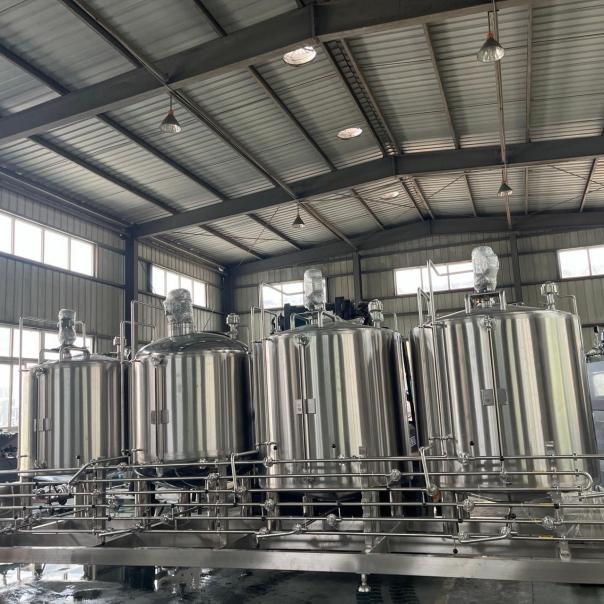
Upstream/Downstream Integration: Works inline with powder induction, pasteurization, filtration, and filling/packaging systems.
|
|
|
Service:
1. Installation and Training: Our team provides online, on-site installation and operator training to ensure smooth operation.
2. Warranty and Spare Parts Warranty: Major components are covered for 1 year.
3. Technical Support: We provide online support, video assistance and on-site troubleshooting if needed.
4. Preventive Maintenance Program: Regular service programs help keep your machine running efficiently and extend its life.
Q1: What are mixing tanks used for?
A: Mixing tanks are used to mix, homogenize and emulsify ingredients in the production of food, beverages, pharmaceuticals and chemicals.
Q2: Is the system easy to clean?
A: Yes, most models are CIP compatible and can be automatically cleaned without disassembly.
Q3: How do I choose the right mixing tank for my production line?
A: Consider factors such as processing capacity, type of agitation, heating/cooling requirements and level of automation.