

Views: 0 Author: Site Editor Publish Time: 2026-11-04 Origin: Site


A single sterility breach ruins far more than just a production batch. It triggers catastrophic product recalls. Consumer trust shatters overnight. Millions of dollars in lost revenue evaporate. Commercial sterility in modern manufacturing never happens by accident. It relies entirely on hardened, meticulously engineered defense systems operating deep inside the machinery.
In this comprehensive guide, we explore the intricate architecture of these strict sterile barriers. You will see exactly how physical enclosures, aerodynamic forces, and thermal protocols synchronize to protect your product from the microscopic world.
To truly grasp the engineering behind aseptic processing, plant managers must first define the core technology driving the production line. An Aseptic filling machine is a highly specialized piece of industrial equipment designed to dispense a commercially sterile liquid into pre-sterilized containers. This delicate transfer occurs entirely within a tightly controlled environment. The sequence culminates in a hermetic seal that permanently locks out subsequent contamination.
The concept of the sterile barrier forms the foundational pillar of this process. In aseptic engineering, a sterile barrier represents any physical, chemical, thermal, or aerodynamic boundary that actively prevents microorganisms from infiltrating the critical filling zone. Traditional hot-fill methods rely on the latent heat of the liquid itself to sterilize the container walls. Prolonged heat exposure, however, severely degrades the nutritional profile, flavor, and color of sensitive products like dairy, artisanal juices, and pharmaceuticals. Aseptic cold-filling fundamentally changes this dynamic by separating the sterilization of the product from the packaging.
Recent market analytics reveal a massive, permanent shift in consumer habits. Shoppers aggressively demand clean-label, preservative-free products. This trend dominates the booming plant-based milk and functional beverage sectors. Consumers want fresh-tasting, nutrient-dense drinks with extended shelf lives. Consequently, this market shift forces manufacturers to abandon legacy hot-fill lines in favor of advanced aseptic technology. Maintaining this delicate, preservative-free environment at high production speeds requires absolute precision. Sophisticated sensors and continuous micro-adjustments monitor the climate to ensure sterile barriers remain uncompromised, even when processing tens of thousands of units per hour.
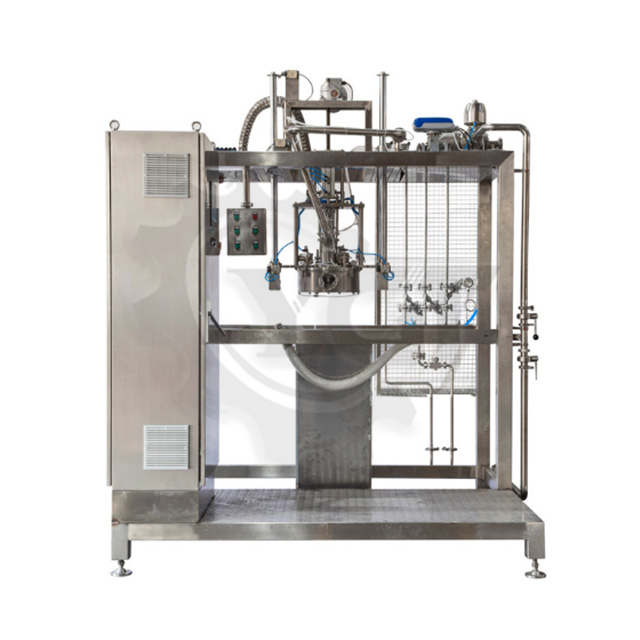
The defense against microbial contamination never relies on a single wall. Instead, it operates as a series of overlapping primary boundaries. Each layer addresses a specific vector of potential contamination.
Microorganisms rarely travel alone. They hitch rides on airborne dust and microscopic moisture droplets prevalent in any busy production facility. To combat this invisible threat, the equipment utilizes a robust aerodynamic barrier. High-Efficiency Particulate Air filters, typically rated at H14, supply unidirectional, laminar airflow directly over the critical filling zone. This sweeping cascade of clean air creates an ISO Class 5 cleanroom environment right above the open containers.
Beyond simply filtering the air, the system intentionally maintains a positive pressure differential relative to the surrounding room. By keeping the internal pressure slightly elevated—often by 10 to 15 Pascals—the aerodynamic barrier dictates fluid dynamics. If a microscopic leak occurs in a seal, the sterile air pushes outward. This fundamental principle prevents contaminated ambient room air from ever drafting into the sterile core.
This carefully orchestrated airflow resides within a rigid physical enclosure. Modern production lines utilize either Restricted Access Barrier Systems or fully enclosed isolators. These structures physically separate the sterile core from the chaotic external production floor.
Construction materials leave no room for error. Engineers predominantly fabricate these enclosures from 316L stainless steel, prized for its exceptional corrosion resistance. The internal surfaces undergo intensive mechanical or electropolishing to achieve a surface roughness Ra of less than 0.8 micrometers. Every joint requires smooth, crevice-free Tungsten Inert Gas welding. In the microscopic world, a tiny scratch, a microscopic pit, or a poorly finished weld acts as a safe harbor for bacterial spores. Such defects render even the most aggressive chemical sterilization completely ineffective.
Before any bottle, pouch, or cap enters the sterile filling zone, it must cross the sterilization interface. This barrier is engineered to obliterate any bioburden lingering on the container surface. Depending on the packaging material, this boundary utilizes chemical, thermal, or radiation-based warfare against pathogens.
Vaporized Hydrogen Peroxide serves as the most common chemical barrier. Packaging gets blasted with high-concentration peroxide vapor, which ruthlessly breaks down microbial cell walls. A sterile hot air flush immediately follows to evaporate the chemical. This ensures absolutely no toxic residue remains to taint the food or pharmaceutical product. Alternatively, some systems deploy intense UV-C light irradiation or saturated steam chambers. These act as thermal barriers that sterilize the packaging mere milliseconds before it crosses into the sterile core.
While primary physical enclosures block external environmental contaminants, secondary and operational barriers prove equally critical. These internal mechanisms ensure the equipment itself does not inadvertently become a breeding ground for microbial growth.
The internal product contact surfaces comprise a maze of pipes, filling valves, dosing pumps, and nozzles. They act as the final frontier between the sterile product and the outside world. Prior to any production run, the system must undergo a punishing Sterilize-in-Place process. This operational barrier utilizes superheated, saturated steam. Temperatures typically reach between 121°C and 135°C. The steam circulates through every internal pathway for a scientifically validated duration.
The F0 value governs this sterilization process. It provides a strict measure of thermal lethality that guarantees the complete eradication of highly resistant bacterial spores. Advanced systems deploy Resistance Temperature Detector sensors at the lowest and coldest points of the piping network, commonly known as dead legs. These sensors confirm that steam has penetrated every crevice. If the temperature dips below the validated threshold for even a fraction of a second, the operational barrier is considered breached. The system automatically aborts the cycle and forces a complete restart to ensure absolute safety.
Despite heavy automation, human operators remain the single highest variable risk to any sterile environment. A person sheds thousands of skin cells and microorganisms every minute. Consequently, modern aseptic technology aggressively separates the operator from the sterile core.
When manual intervention becomes unavoidable—such as clearing a jammed cap—operators utilize heavy-duty, sterilizable glove ports sealed directly into the isolator glass. This setup allows for tactile manipulation without breaking the aerodynamic barrier. Furthermore, intelligent interlocking door systems stand guard. If an operator attempts to open an enclosure door during active filling, the interlock instantly halts production. It triggers a sterile fault alarm and mandates a full cleaning and sterilization cycle before operations can safely resume.
An invisible but indispensable barrier is the continuous environmental monitoring system. Equipment operates under the assumption that physical barriers remain intact, but empirical data must prove it second by second. Active air samplers, continuous laser particle counters, and differential pressure transducers deploy throughout the filling zone.
These sensors act as a real-time digital net. If the positive pressure inside the isolator drops below a critical 10 Pascal setpoint, it indicates a potential seal failure where room air could infiltrate. The monitoring system instantly alerts the floor manager and halts the filling sequence. By continuously tracking non-viable particulates, these systems ensure any degradation in the physical barriers is detected long before a contaminated product reaches a consumer.
The fundamental principles of sterile barriers remain universal. Their mechanical application, however, varies wildly depending on the packaging format. The mechanism required to fill a small, flexible pouch looks vastly different from the heavy engineering required for a massive industrial drum.
Bag-in-Box packaging dominates the foodservice industry. Facilities commonly use it for syrups, dairy bases, and fruit purees. The primary challenge facing a BIB Aseptic Filler involves maintaining a sterile environment precisely at the flexible bag spout during the uncapping, filling, and recapping phases.
Because the 1 to 30-liter bag arrives pre-sterilized via gamma irradiation, the machine only needs to focus on the exterior of the spout. To achieve this efficiently, the machine creates a localized micro-sterile zone. An operator or robotic arm loads the bag. The fitment mechanically clamps into a specialized sterilization chamber. A pressurized blast of hydrogen peroxide or saturated steam neutralizes surface contaminants. Once thermal sensors validate this localized barrier, internal jaws uncap the bag. The filling nozzle descends to dispense the liquid, and the cap is securely replaced. This entire high-speed ballet occurs within a hermetically sealed micro-environment.
Scaling up to bulk packaging introduces a completely different set of engineering hurdles. An Aseptic Barrel Filler manages massive volumes. It typically handles 200-liter drums or 1000-liter intermediate bulk containers. These containers often hold highly viscous ingredients like tomato paste, diced fruit preparations, or bulk pharmaceutical bases.
The sterile barriers here must withstand immense physical forces and less controlled warehouse environments. The massive surface area of a drum opening requires a heavy-duty thermal barrier. The filling head descends to create a robust mechanical seal against the pre-sterilized liner. High-pressure steam continuously injects around this interface. This creates an impenetrable thermal shield against airborne pathogens.
In addition, filling large volumes of thick, viscous liquids often traps air. Trapped air leads to oxidation and rapid spoilage. To combat this, industrial machines employ vacuum-assisted filling. Before dispensing the product, a powerful vacuum evacuates the air within the sterile filling chamber. This vacuum acts as a critical operational barrier against oxidative degradation and aerobic bacterial growth.
| Feature | BIB Aseptic Filler | Aseptic Barrel Filler |
|---|---|---|
| Volume Range | 1 to 30 Liters | 1 to 220 Liters (Up to 1000L IBC) |
| Sterile Barrier Focus | Localized micro-chamber at the spout | Heavy-duty steam shield at the drum opening |
| Target Products | Syrups, dairy, fruit juices, water | Tomato paste, diced fruit, viscous concentrates |
| Oxidation Control | Nitrogen flushing options | Deep vacuum-assisted filling chamber |
A sterile barrier remains merely a theoretical concept until empirically proven to function under real-world production stresses. Global regulatory bodies demand comprehensive, documented validation of all aseptic processes.
The undisputed gold standard for validating barrier integrity is the aseptic process simulation. The industry widely knows this as a media fill. Rather than running the actual commercial beverage, the facility runs a highly sensitive microbiological growth medium. Technicians usually employ Tryptic Soy Broth through the entire production line.
The machine sterilizes the packaging, dispenses the broth, and seals the containers exactly as it would during standard production. These filled containers go into incubators at controlled temperatures for 14 days. Technicians then meticulously inspect thousands of units. If the sterile barriers held firm, the broth remains crystal clear. If a valve leaked or a HEPA filter failed, the broth turns cloudy with microbial growth. This results in a failed validation and a mandatory engineering review.
Modern regulatory compliance relies on absolute data traceability. Precision equipment utilizes advanced Supervisory Control and Data Acquisition systems to log thousands of data points per minute. Every critical parameter gets recorded for every single batch. The system tracks steam temperatures, vapor concentrations, and the exact pressure differential of the aerodynamic barrier. This unalterable electronic documentation acts as a historical barrier. It proves essential for audit compliance and rapid root-cause analysis in the event of a market anomaly.
When evaluating equipment for a commercial facility, procurement teams must look beyond basic output speeds. Understanding the nuanced engineering elements that guarantee long-term barrier stability separates an average machine from a Precision Aseptic Filler.
In aseptic engineering, complexity is the enemy of sterility. Every hinge, actuator, and sliding mechanism operating inside the sterile zone generates microscopic friction. This friction inevitably sheds particulates. Complex mechanical assemblies also create hidden crevices where sterilization chemicals or steam cannot fully penetrate. Buyers should prioritize machines designed with servo-driven technology and absolute minimal internal moving parts. Smooth, continuous motions prevent bacterial harborage and maintain the integrity of the ISO Class 5 environment.
Because human error causes the majority of barrier failures, advanced automation is a non-negotiable feature. Look for equipment that executes fully automated cleaning and sterilization recipes. These intelligent systems remove the operator from the decision-making process. They automatically adjust flow rates, chemical concentrations, and steam temperatures based on real-time sensor feedback. Integrating automated robotic handling for container indexing further distances unpredictable human variables from the sterile core.
Internal barriers continuously face a brutal environment of aggressive cleaning chemicals and extreme thermal stress. Consequently, internal components must possess exceptional material compatibility. All seals, O-rings, and filling nozzles must be fabricated from premium, FDA-approved elastomers like high-grade EPDM or PTFE. These materials must withstand repeated exposure to high-concentration hydrogen peroxide, peracetic acid, and superheated steam without cracking. A degraded seal leads to microscopic leaks. This instantly compromises the physical barrier and causes catastrophic product contamination.
Selecting the appropriate equipment represents a high-stakes capital expenditure. It directly impacts product safety, factory efficiency, and corporate profitability. Decision-makers must carefully map specific product characteristics against machine capabilities.
The flow behavior and acidity of your liquid dictate the required filling mechanics and barrier designs. Low-acid products with a pH above 4.6, such as dairy milk and plant-based alternatives, are highly susceptible to the growth of deadly pathogens like Clostridium botulinum. Processing these liquids requires the absolute highest level of barrier isolation. Facilities must utilize fully enclosed isolators and intensive chemical sterilization.
In contrast, high-acid products with a pH below 4.6, like citrus juices or tomato purees, naturally inhibit pathogenic spore growth. While commercial sterility remains necessary to prevent spoilage, barrier requirements lean more toward thermal sterilization rather than complex chemical isolators. Additionally, if the product contains large particulates like diced peaches, the machine must feature specialized wide-bore valves. Engineers design these complex valves with dedicated steam barriers around the piston shafts to prevent contamination drag during the mechanical stroke.
The initial purchase price of machinery makes up only a fraction of the Total Cost of Ownership. Upholding sterile barriers is an ongoing, resource-intensive operational expense. When evaluating options, buyers must calculate the long-term consumption of consumables. Factor in the energy required to generate superheated steam for daily sterilization cycles. Calculate the ongoing cost of chemicals and the routine replacement of expensive H14 HEPA filters. Machines engineered for true precision often feature energy-recovery systems and highly optimized chemical dosing. These features significantly lower ownership costs while maintaining uncompromising barrier integrity.
Tracing the sterile barriers inside modern packaging equipment reveals a highly complex, multi-layered defense system. From the sweeping aerodynamic force of filtered air to the punishing thermal reality of steam-sterilized valves, every component works in absolute harmony. This synchronization protects your liquid products from dangerous microbial contamination.
Whether you operate a highly localized micro-chamber for flexible bags or manage massive steam barriers for industrial bulk drums, the underlying principle remains identical. Sterility is an active, continuous engineering process. Investing in precise, highly automated equipment ensures strict adherence to global consumer safety standards.
Ultimately, robust sterile barriers protect much more than the beverage in the bottle. They protect your corporate brand from devastating financial and reputational damage. If you plan to upgrade your facility or launch a new preservative-free product line, you need reliable, high-performance machinery. Visit YGT Machinery to explore equipment tailored to your unique production requirements and secure your product safety today.
A standard filling machine dispenses products into containers within a clean, but non-sterile, environment. Because the filling zone is not completely isolated from ambient room air, these products typically require artificial chemical preservatives or a post-fill thermal pasteurization process to achieve a long shelf life. An aseptic machine sterilizes the liquid product and the packaging materials separately. It then brings them together inside a highly controlled, validated sterile barrier. This advanced methodology allows manufacturers to create shelf-stable products that retain natural nutritional profiles, color, and fresh taste without relying on chemical preservatives.
Rather than relying on a massive, room-sized cleanroom, this specialized equipment utilizes a localized micro-sterile chamber. When the pre-sterilized flexible bag feeds into the machine, the spout area securely clamps and sterilizes using a targeted blast of pressurized steam or hydrogen peroxide. The machine then mechanically uncaps the spout, dispenses the sterile liquid, and securely recaps the bag. This entire process occurs within a hermetically sealed micro-zone, preventing ambient air from contacting the product during the critical transfer phase.
The most effective systems operate using multiple overlapping physical and chemical layers. These include physical enclosures like heavy-duty stainless steel isolators, aerodynamic barriers maintained by unidirectional HEPA-filtered airflow, thermal barriers utilizing superheated steam for internal piping, and chemical barriers applying hydrogen peroxide vapor to sterilize incoming packaging materials.
Yes, high-quality bulk processing equipment specifically handles challenging product rheologies. Engineers design these machines with specialized, wide-bore filling valves and gentle positive-displacement pumps. This robust engineering allows the machine to process highly viscous liquids and large particulates—such as diced tomatoes or strawberry purees—without physically crushing the product structure or compromising the heavy-duty sterile steam barrier required for bulk drum filling.
Validation represents a continuous regulatory compliance requirement, not a one-time event. Facilities must thoroughly validate sterile barriers, including comprehensive media fills and critical sensor calibrations, during initial installation. Following this, industry standards generally require bi-annual re-validation. Furthermore, operators must immediately execute a full validation protocol any time they make a significant modification to mechanical components, packaging formats, or liquid product formulations.
While the internal sterile core of the filler maintains an ISO Class 5 environment, the external room housing the machinery typically requires an ISO Class 7 or Class 8 cleanroom classification. This background environment acts as a secondary aerodynamic barrier. It reduces the overall bioburden and particulate load in the facility, ensuring that if a minor pressure fluctuation occurs, the risk of catastrophic contamination remains extremely low.
Engineers perform a Dispersed Oil Particulate test, also known as a PAO test, to verify HEPA filter integrity. Technicians introduce an aerosolized challenge particulate upstream of the filter. They then use an aerosol photometer to scan the downstream face of the filter and the housing seals. Any detected leak greater than 0.01% indicates a breach in the aerodynamic barrier, requiring immediate filter replacement and system re-validation.


