

Views: 0 Author: Site Editor Publish Time: 2025-09-05 Origin: Site


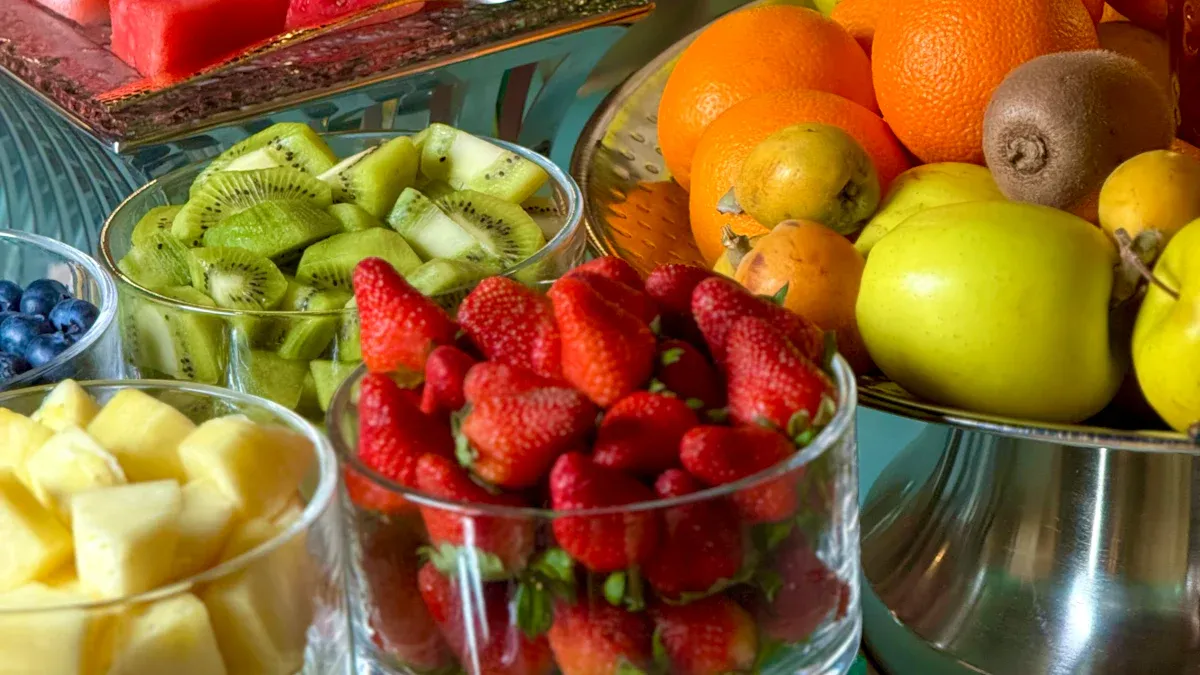
You enjoy a glass of juice that tastes bright and sweet. Each drop of juice comes from the careful handling of orange fruit. Orange Juice Processing uses modern technology to keep the juice safe and fresh. You can trust that every orange passes strict checks before it becomes juice. YGT helps bring fresh orange juice to your table with advanced systems. You see how juice stays pure through every step. Juice makers focus on safety and quality. You drink juice that starts with a single orange and ends up as a healthy drink.
Orange juice processing begins with fruit reception. Workers look at each orange for quality. They make sure only the best fruit is picked.
Washing oranges is very important. It takes away dirt and bad germs. This makes the juice safe and clean to drink.
Modern technology helps with sorting and juicing. Machines save time and keep the juice quality the same in every bottle.
Pasteurization is needed for safety. It destroys bad germs but keeps the juice’s taste and nutrients.
Aseptic filling keeps juice fresh without a fridge. This way, juice lasts longer and still tastes fresh.
The orange juice process starts with fruit reception. Trucks bring many oranges to the plant. Workers or machines take the oranges off the trucks. They get the fruit ready for the next steps. Every orange must pass strict checks before processing. The plant uses Good Agricultural Practices (GAPs) to keep fruit in good shape. Careful handling at the start helps keep orange juice fresh and tasty.
Here is a table that lists the main steps for fruit reception in orange juice plants:
Procedure | Description |
|---|---|
Cleaning | Taking off dust, mud, or other things from the fruit to keep it clean before processing. |
Sorting | Looking for and removing bad fruit so the juice stays safe. |
Inspection | Checking for visible problems, germs, and other quality signs by hand or machine. |
Good Agricultural Practices (GAPs) | Making sure fruit is handled right before it gets to the plant. |
Good Manufacturing Practices (GMPs) | Keeping up quality rules while making juice. |
Sampling and Analysis | Checking samples for quality and safety and to decide payment. |
Each step in fruit reception keeps the juice safe and high quality. The plant uses these steps to make sure only the best oranges are used.
Next comes the inspection stage. Workers or machines check each orange for quality. The plant uses both people and machines to find problems. Removing bad fruit is important for good juice taste and safety. The team looks for bruises, marks, mold, bug damage, overripe fruit, and machine damage.
Defect Type | Description |
|---|---|
Bruises | Damage to the outside of the orange. |
Blemishes | Marks on the skin that change how it looks. |
Mold | Fungi that show the fruit is spoiled. |
Insect Damage | Bugs hurt the fruit and lower its quality. |
Overripe | Oranges that are too old for making juice. |
Mechanical Damage | Damage from machines or handling. |
The plant uses many checks during inspection:
Looking at fruit before unloading
Washing fruit before sorting out bad ones
Removing damaged fruit during first sorting
Rinsing fruit with clean water
Spraying fruit with sanitizer
Using a brush washer with soap or sanitizer
Grading fruit during second sorting
Final rinse with clean water after sanitizing
These steps help keep the juice safe and fresh. The team checks records, keeps work areas clean, and follows good steps. They also check how much juice goes in each bottle, if the cap is tight, and if labels are correct. Every small thing is important in making juice.
Now you see the sorting area. The plant uses special machines to sort oranges fast and well. These machines check color, size, shape, and sugar level. They use sensors, cameras, and sometimes artificial intelligence to grade fruit. This technology helps the plant waste less and make better juice.
Sorting is needed to pick the best oranges for juice. Only the best fruit is used for juice. This step makes sure every bottle tastes good and is safe. Sorting helps keep the juice fresh and tasty.
Tip: Using machines for sorting saves time and helps make juice that is always good.
Now you know how fruit reception, inspection, and sorting work together. These steps help make orange juice safe, tasty, and healthy.
The cleaning step makes sure each orange is safe for juice. Oranges can have dirt, dust, and germs from the farm. Washing takes away these things and keeps juice good. You try to get rid of:
Alicyclobacillus, a bacteria that can spoil juice.
Pathogens like E. coli O157:H7, Salmonella Typhimurium, and Listeria monocytogenes.
Washing can lower these germs by a lot, up to 4.9 log cycles. After washing, tests often show no germs in the juice.
You use different cleaners to take off pesticides from the orange skin. Some good choices are:
10% sodium carbonate solution
8% acetic acid
Vinegar solutions
10% sodium chloride
Tap water
Sodium carbonate and tap water work well to lower pesticides. You can cut down some pesticides by up to 84%. This step helps keep juice safe and clean.
After cleaning, you get oranges ready for juice. You want only the best fruit for your juice. You take out any unripe or bad oranges. Machines and people help sort and wash the fruit.
Here is a table that lists the main steps before juice is made:
Step | Description |
|---|---|
Cleaning and sorting | Wash oranges and take out any that are not good for juice. |
Juice extraction | Peel oranges to stop bitterness, then use machines to get juice. |
Filtration | Filter juice to take out solids and make it taste better. |
Chaptalization | Change sugar and acid levels for better flavor. |
Degassing and degreasing | Take out gas and extra peel oil to keep flavor and quality. |
Pasteurization | Heat juice to kill germs and keep it safe. |
Homogenization | Mix juice so it is the same all over and does not settle. |
Filling and cooling | Fill bottles fast and cool them to keep juice fresh. |
You follow these steps to make sure juice is clean, safe, and tastes good. Each part of washing and getting ready helps you give great juice to everyone.
You begin juicing by working on extraction. This step turns whole oranges into juice. Modern plants use two main machine methods. One way puts each orange between two metal cups with sharp tubes. The top cup pushes down and squeezes the orange. Juice comes out while the machine presses the rest. The other way cuts the oranges in half. Rubber suction cups grab each half and press it on spinning reamers with rough edges. As the halves move on a conveyor, the reamers spin and pull out juice.
These machines work quickly and take off the peel too. You get fresh orange juice and waste less fruit. The machines help keep the juice clean and safe. They can also work with both fresh fruit and concentrate. This lets you change juice strength for different products.
Tip: Using machines for extraction saves time and makes juicing faster. You get more juice and better taste.
After extraction, you do separation. This step helps you get more juice and better quality. You press and squeeze to get as much juice as you can. Screening takes out seeds and big pulp pieces. You handle the juice gently to keep it natural.
Here is a table that shows how separation changes juice yield and quality:
Process Step | Impact on Yield and Quality |
|---|---|
Pressing and Squeezing | Gets more juice and makes it better |
Screening | Makes flavor and quality better |
Handling | Keeps juice natural and high quality |
You also remove oil in this step. This stops bad flavors in the juice. Separation lowers bitter parts and makes color and pulp better. You control juice strength for your product needs. The juicing process keeps the fruit’s good parts and lowers contamination.
Note: Careful separation helps you make juice that tastes good and looks bright.
You finish juicing with high-quality juice ready for the next steps.
You want your orange juice to look clear and taste great. Clarification is the step that removes tiny particles from the juice. This process helps you get a bright, appealing drink. You use special filtering methods to make sure the juice stays safe and fresh.
Modern juice filtering uses membrane technologies. You often see microfiltration (MF) and ultrafiltration (UF) in large juice plants. These methods help you get more juice from each orange. They also keep the flavor and color close to fresh orange juice. The membranes are safe for food and work well with many types of juice.
Here is a table that shows the main filtering technologies:
Filtration Technology | Advantages | Disadvantages |
|---|---|---|
Microfiltration (MF) | Removes solids, keeps flavor, low energy use | Can clog, needs cleaning |
Ultrafiltration (UF) | High yield, keeps juice quality | Can clog, higher cost |
Ceramic Membranes | Works at high heat, lasts long | Expensive, still improving |
You can see that each filtering method has its own strengths. Membrane filtering gives you a high yield, often over 94%. This means you get more juice from each batch of oranges.
Note: Clarification does not lower the vitamin C in your juice. You keep almost the same amount as in raw juice. The sweetness and tartness also stay the same.
After clarification, you focus on pulp removal. Some people like juice with pulp, but many want a smooth drink. You use filtering to take out pulp and other solids. This step makes your juice clear and easy to drink.
You can use screens, centrifuges, or more membrane filtering for this job. These tools help you control how much pulp stays in the juice. You decide if you want a lot, a little, or no pulp at all. Juice filtering also helps remove seeds and bits of orange peel.
Here is a simple list of what pulp removal does for your juice:
Makes juice look clear and bright
Gives a smooth texture
Removes seeds and peel pieces
Lets you choose the pulp level
You finish this step with juice that meets your needs. Filtering and juice filtering help you make a product that people enjoy. You keep the taste and nutrition while making sure every glass looks and feels just right.
Pasteurization helps keep juice safe and fresh. This process heats orange juice for a short time. The heat kills harmful germs in the juice. A pasteurization machine makes sure the juice meets juice haccp rules. The heat does not change the taste much. The juice still tastes bright and looks colorful.
Did you know? Pasteurization does not lower vitamin C much. Pasteurized juice has almost the same vitamin C as raw juice. Vitamin C drops more during storage, not from heating. The flavor stays strong after pasteurization.
You can see what heat treatment does to juice:
Vitamin C is almost the same after pasteurization.
The juice keeps its bright color and taste.
Antioxidant activity drops mostly when juice is stored, not from heating.
Pasteurization helps keep juice quality high. This step lets you enjoy juice that tastes fresh from the orange.
You want every bottle of juice to be safe. Pasteurization targets the main germs found in juice. These germs are:
Escherichia coli (STEC)
Salmonella
Listeria monocytogenes
Pasteurization lowers these germs by 100,000 times. Juice haccp rules say you must follow safety steps. You check for hazards at every stage. Cleaning is very important. You clean all tools and work areas before and after making juice.
You protect your juice from hazards and keep people safe. You follow juice haccp rules and check for problems. Pasteurization, cleaning, and careful checks help you meet top safety standards for juice.
Blending is an important step in making orange juice. It helps you make juice that tastes the same every time. You mix juice from different batches or types of oranges. This lets you balance how sweet, sour, and good-smelling the juice is. In advanced plants like the YGT Juice Beverage Production Plant, you can use both fresh fruit and concentrates. This means you can make many kinds of juice.
You start by mixing sugar syrup, fruit pulp, water, and sometimes flavors or colors. The high-speed melting tank at YGT melts the sugar syrup fast. You add this syrup to the mixing tank with the other things. Careful blending helps you get the right taste and feel.
Here is a table that shows how blending and standardization are different:
Aspect | Blending | Standardization |
|---|---|---|
Focus | Making flavor, acidity, and sweetness the same | Keeping quality and makeup the same over time |
Purpose | Mixing juice batches or types for even taste | Making sure the juice always meets set rules |
Adjustments | Changing sugar and acid to fix taste | Not much change after rules are set |
Challenges | Dealing with changes from different harvests or orange types | Keeping quality steady even if fruit changes |
Blending gives you more control over how your juice tastes and feels. You can fix changes in oranges from season to season. This step is important for both fresh juice and juice from concentrate.
Standardization helps you keep your juice the same every time. You set clear rules for how your juice should taste and look. You check sugar, acid, color, and smell. You make sure each batch meets these rules before moving on.
You may see some differences between juice from fresh fruit and juice from concentrate:
Pure juice keeps all the fruit smell, but taste can change each batch.
Juice from concentrate has a steady taste, with only small changes.
Fresh juice keeps its natural parts and smell, but taste changes more.
Juice from concentrate lasts longer and lets you keep the taste the same.
Juice from concentrate can lose some light flavors when stored.
High acid and heat can make flavor fade and lower vitamin C.
The package you use helps keep the flavor fresh.
Standardization makes sure your juice always meets your quality goals, no matter what you use to make it.
Homogenization is a key step in modern orange juice making. You use it to make the juice smooth and stable. The YGT Juice Beverage Production Plant uses strong machines to break up pulp and other bits. This makes the juice look cloudy and stops pulp from sinking.
Here is a table that shows how homogenization helps your juice:
Evidence Description | Findings |
|---|---|
Particle Size Reduction | Homogenized juice has smaller bits, so it is more even and stable. |
Turbidity Improvement | Homogenized juice looks cloudier, which means better cloud and less settling. |
Pulp Sedimentation Prevention | Strong homogenization stops pulp from sinking, so juice stays mixed and tasty. |
You also get help from engineers at YGT. They design machines, fix problems, and help set up your line. Their help makes sure your orange juice production works well and meets high standards.
Tip: Homogenization not only makes your juice look better but also keeps the taste and feel the same in every bottle.
Now you see how blending, standardization, and homogenization work together. These steps help you make juice that is safe, tasty, and always high quality.
You are now at the last step before orange juice goes to stores. Packaging keeps the juice safe and fresh for a long time. The YGT Juice Beverage Production Plant gives you many ways to pack juice. You can pick PET bottles, glass bottles, cans, gable-top cartons, or bag-in-box systems. Each type helps keep juice fresh and easy to use.
Here is a table that lists common packaging types and their benefits:
Packaging Format | Benefits |
|---|---|
Bag-in-Box | Lasts longer, keeps nutrients, saves money, easy to pour. |
Aseptic Carton | Protects juice, no fridge needed, stays fresh for months. |
Aseptic cartons keep orange juice safe from germs. You can ship and store juice without using a fridge. This helps more people get fresh orange juice.
Tip: Aseptic packaging keeps juice tasting like it was just squeezed.
Sterilization is very important for safe juice packaging. You must make sure everything that touches juice is clean and germ-free. The YGT plant uses strong ways to sterilize containers, lids, and the filling area. You may see heat, steam, hot water, radiation, or chemicals like peroxide.
Here is a table of sterilization methods you might use:
Method | Description |
|---|---|
Thermal Sterilization | Uses heat to clean packaging materials. |
Chemical Disinfectants | Uses safe chemicals to kill germs on containers. |
Sterile Air | Keeps the filling area clean with filtered air. |
Other Methods | Uses light or mixes ways to keep things sterile. |
Sterilization Systems | Special machines use heat or hydrogen peroxide vapor for containers and lids. |
Juice is filled in a special place called the Aseptic Filling Zone. This area stays clean with filtered air and positive pressure. All parts that touch juice are cleaned first. The filling valves stay closed to keep out germs.
You must follow strict rules to keep orange juice safe. The FDA says you must fill clean juice into clean packages in a germ-free space. You need to clean and check everything before starting. You also watch the sterilization steps and check the packaging to make sure juice stays safe and high quality.
Aseptic filling lets juice last longer than hot filling. You do not use extra heat, so juice keeps its taste and nutrients. You can drink juice that tastes almost fresh, even after months in the package.
You do every step, from getting the oranges to putting juice in packages, to make sure juice is safe and good. You check the fruit, wash the tools, and watch each part of the process. New machines, like high pressure processing and ohmic pasteurization, help keep juice fresh and tasty. People want orange juice that tastes natural and has no extra stuff. YGT gives you the right machines and help to do this. The table below shows how you keep juice safe at each step:
Step | Description |
|---|---|
Raw Material Reception | Test the fruit when it arrives to check for germs and other bad things. |
Processing Equipment | Check equipment often to stop germs from spreading. |
Post-Pasteurization Monitoring | Test juice right after pasteurization to make sure it worked. |
Filling and Packaging | Watch the packaging area to keep it clean and germ-free. |
Storage | Test juice during storage to make sure germs do not grow. |
Aseptic filling puts juice into sterile packages. This keeps juice fresh and safe without needing a fridge. You get juice that tastes close to fresh-squeezed, and it lasts longer on the shelf.
Yes, you can. Plants like YGT’s Juice Beverage Production Plant handle both fresh fruit and concentrate. This lets you make many types of juice and adjust recipes for different markets.
You use washing, pasteurization, and aseptic filling. Each step removes or kills germs. You also test juice and clean equipment often. These steps help you deliver safe juice every time.
Most vitamin C stays in the juice after pasteurization. You may lose a little during storage. You still get a healthy drink with lots of nutrients.


