

Views: 0 Author: Site Editor Publish Time: 2025-09-10 Origin: Site


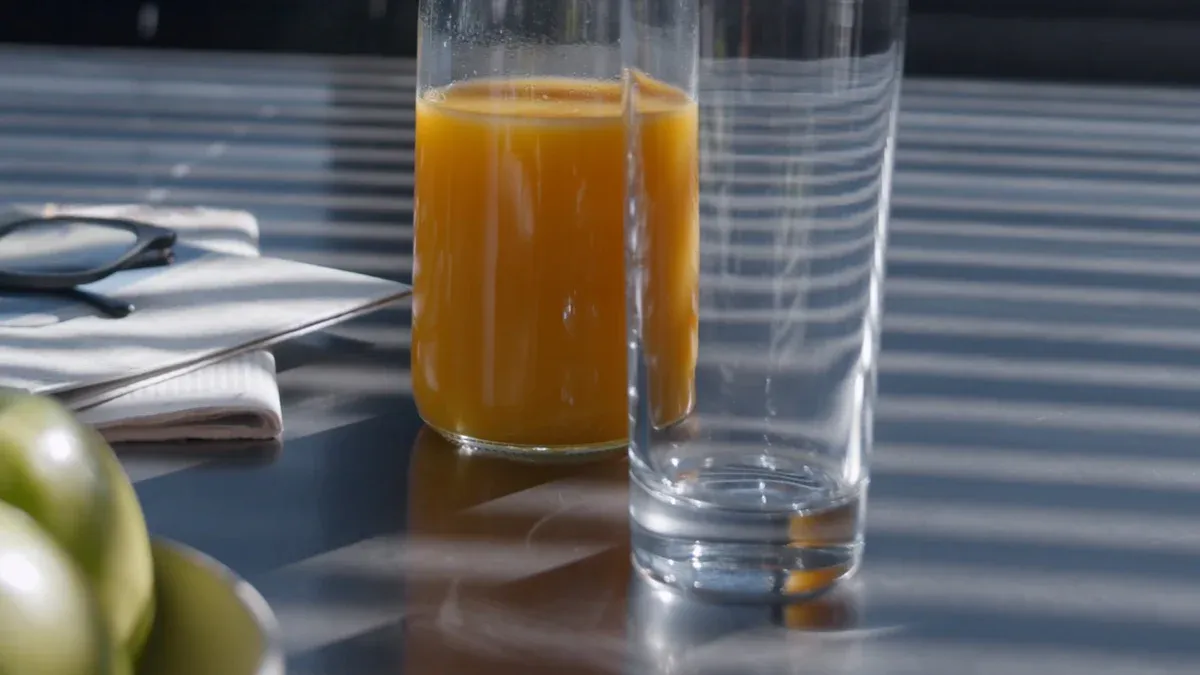
Tubular pasteurizers are usually best for Pulpy Orange Juice. After juicing oranges, a lot of pulp is left. The pulp is about 30–35% of the juice. This pulp can change how the juice moves. It also affects how the juice stays good during processing. The right pasteurizer keeps the juice safe and tasty. In orange juice factories, batch and continuous pasteurizers are common.
Pick a tubular pasteurizer for pulpy orange juice. It works well with thick liquids and stops clogging.
Plate pasteurizers are good for clear juices with little pulp. They heat fast but do not work well with pulp.
Think about how thick your juice is. Thick juices need machines that can handle solids well.
Cleaning is important. Tubular pasteurizers need less cleaning, so you save time and work.
Look at your budget. Tubular pasteurizers might cost more at first but save money later because they work better.

When you look at machines for orange juice, you see two main types. These are plate and tubular pasteurizers. Each one is good for different kinds of juice. Plate pasteurizers have thin metal plates that heat juice fast. Tubular pasteurizers have long tubes for thick liquids to move through.
Here is a table to help you compare both types:
Feature | Plate Pasteurizers | Tubular Pasteurizers |
|---|---|---|
Viscosity Suitability | Best for low viscosity products like juice | Handles thick, viscous liquids like citrus juices |
Heat Transfer Efficiency | Excellent heat transfer coefficient | Effective for handling larger particles |
Maintenance | More maintenance required, but easy to disassemble | Lower maintenance for viscous liquids |
Application | Suitable for low viscosity products | Ideal for products with high solids content |
Plate pasteurizers are good for clear and thin juices. Tubular pasteurizers work better for thick or pulpy juices. Plate pasteurizers can get blocked by thick or fiber-rich juice. Tubular pasteurizers let big pieces pass, so they are better for juice with pulp.
Tip: If you want to clean less often, tubular pasteurizers need less cleaning when you use them for thick or pulpy juice.
Pulpy orange juice has lots of fiber and small pieces. This makes it hard for some machines to work well. Tubular pasteurizers are made for this kind of juice. They let pulp and solids move without getting stuck. Plate pasteurizers can have trouble with pulp. The plates can get blocked, which slows things down and can hurt juice quality.
You can see how different pasteurizer machines compare in the chart below:
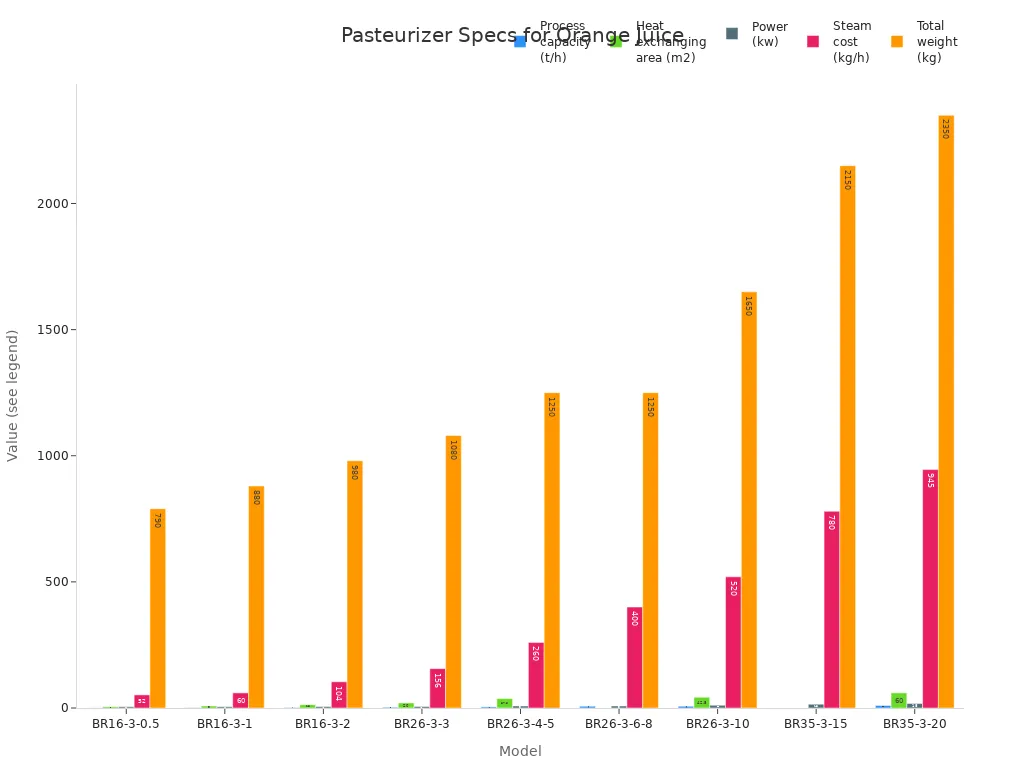
If you want your juice to taste and feel natural, pick a pasteurizer that matches the juice’s thickness and pulp. Tubular pasteurizers help keep juice quality high and stop clogging. This makes them the best choice for pulpy orange juice.
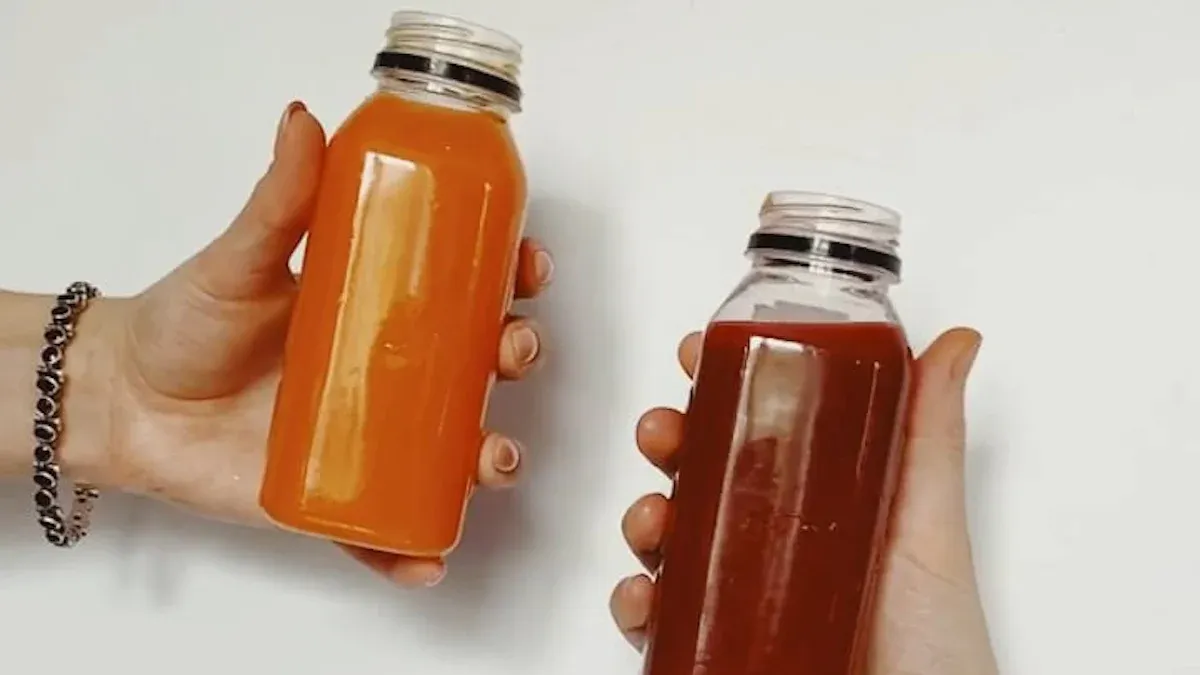
A plate pasteurizer has many thin metal plates. These plates are stacked together. Juice flows through channels between the plates. Hot water moves on one side of each plate. Juice moves on the other side. The heat from water goes through the metal. It warms the juice fast. This design is best for thin liquids without pulp. The plates have a big surface area. Heat moves quickly and evenly.
Here is a table showing some important features:
Parameter | Value Range |
|---|---|
Heat transfer film coefficient (OJ) | 983 to 6500 W/m²°C |
Density of OJ at 20°C | 1046.0 ± 3.6 kg/m³ |
Viscosity of OJ (5-90°C) | 14.17 ± 4.75 mPa s |
You can change the pasteurization temperature. It can be set from 185°C to 266°C. The holding time can be set from 0 to 30 seconds. This lets you control the process for different products.
A tubular pasteurizer uses long metal tubes. Juice flows inside these tubes. Hot water or steam surrounds the tubes. Heat moves through the tube walls. It warms the juice inside. This design works well for thick liquids and pulp. The tubes let big pieces pass without clogging.
Here is a table comparing the basic operation of both types:
Type | Structure and Operation | Applications |
|---|---|---|
Parallel metal plates; heats and cools fluid beverages. | Non-granular liquids like milk, juice, and tea. | |
Tubular Pasteurizer | Metal pipes and shells; heats and cools, adaptable for various products. | High-viscosity products like soy sauce, tomato sauce, and pulpy orange juice. |
Orange juice with lots of pulp is thick. You need equipment that can handle thick juice and solid pieces. Plate pasteurizers can get blocked by pulp. Tubular pasteurizers let pulp and thick juice move easily. This keeps the process working and protects juice quality.
New pasteurizer equipment has automatic valves and smart controls.
These help keep the right temperature and holding time.
Tubular pasteurizers work well with thick juice.
They help keep your product safe.
Note: Picking the right equipment stops clogs and keeps juice fresh.
Think about how much pulp and how big the pieces are in your orange juice. More pulp can clog many pasteurizer systems. Plate pasteurizers have trouble with thick juice. Pulp and big fibers can block their small channels. Some special plate pasteurizers, like the Hygienic WideGap, have bigger channels. These help fibers and pieces move better. This design helps stop clogs. But most regular plate pasteurizers still have problems with pulpy juice.
Tubular pasteurizers are better for pulp and big pieces. Their wide tubes let solids pass without stopping the process. If you want your line to run well, pick a tubular pasteurizer for juice with lots of pulp.
Tip: If your juice has pulp or pieces you can see, use pasteurization equipment that handles solids and does not need cleaning all the time.
Viscosity means how thick or thin your juice is. Thick juice moves slow and needs special equipment to heat it right. Tubular pasteurizers work well with thick juice and juice with solids. They can handle pieces up to 5-6 mm and still heat well. Plate pasteurizers are better for thin, clear juice. They use small designs for fast, even heating. But they do not work well with thick juice.
Here is a table to help you compare:
Pasteurizer Type | Application | Key Features |
|---|---|---|
Tubular Pasteurizer | Viscous products, juices with pulp | Made for bigger pieces and good heat transfer |
Plate Pasteurizer | Liquid products | Best for thin liquids, heats well in small designs |
If your juice is thick, a tubular pasteurizer works better and gives more reliable results.
You want your pasteurizer to kill bad microbes and keep juice fresh longer. Both plate and tubular pasteurizers lower microbes, but they work differently. Tubular pasteurizers lower microbes very well and make juice last much longer. Plate pasteurizers also work, but they only give a little more shelf life for orange juice.
Pasteurization Type | Microbial Reduction | Shelf-Life Extension |
|---|---|---|
Plate Pasteurizer | Effective | Moderate |
Tubular Pasteurizer | Highly Effective | Significant |
If you want the best shelf life and safety for pulpy orange juice, tubular pasteurizers are the best choice.
You need to keep your pasteurizer in good shape to stop breakdowns and losing product. Regular maintenance helps you find problems early and keeps your equipment working longer. Plate pasteurizers need more care, but new designs are easier to take apart and clean. Tubular pasteurizers need less cleaning with thick or pulpy juice, but you must be careful to protect the pasteurization process.
Using predictive analytics helps you watch heat transfer and temperature. This lets you plan maintenance before problems start. It lowers downtime and keeps your process working well.
Note: Taking care of your equipment saves money and helps you follow food safety rules.
Cost is important when you pick pasteurization equipment. Plate pasteurizers usually cost less at first and work well for clear, low-pulp juice. Tubular pasteurizers cost more to buy, but save money later by needing less cleaning and having less downtime. If you make pulpy orange juice, spending more on a tubular pasteurizer gives you better juice and fewer stops.
You should also think about long-term costs for care, cleaning, and lost time. Picking the right equipment for your juice and process helps you get the best value and quality.
Pulpy orange juice is common in stores. This juice has lots of fiber and solid bits. To keep the fresh taste and feel, use a tubular pasteurizer. Many big companies use this kind of machine. For example:
A top company in Mexico uses ohmic heating, which is a type of tubular pasteurization.
This method keeps the juice tasting fresh, almost like fresh-squeezed.
The company now sells more juice in North America because people like the fresh flavor.
Tubular pasteurizers give better quality and longer shelf life. The table below shows why this method is great for pulpy orange juice:
Aspect | Description |
|---|---|
Pasteurization Technique | Flash pasteurization is best for keeping orange juice quality high. |
Quality Maintenance | This method helps keep flavor and quality while making juice safe by killing germs. |
Impact of Thermal Treatment | Shorter heat time keeps juice quality and taste, so less flavor is lost. |
Heat Transfer Efficiency | Corrugated tubes help heat move faster, so juice heats up quickly and is less damaged. |
Energy Efficiency | Better heat transfer means lower energy use, saving up to 40%. |
Tip: Tubular pasteurizers help keep juice tasting natural and save energy too.
If you make juice with little or no pulp, a plate pasteurizer works well. It makes juice safe and lets you store it for a long time. Here are some things to think about:
Plate pasteurizers kill germs and keep juice safe.
Juice can be stored for a long time after pasteurizing.
This machine changes the taste less than batch heating.
But, you might lose some vitamins and nutrients. Sometimes, the juice can taste a little "cooked." You need to watch the process to keep the juice good.
You should pick pasteurizer equipment that matches how much juice you make. The table below can help you decide:
Pasteurizer Type | Suitable Products | Application Scale |
|---|---|---|
Plate Pasteurizers | Milk, yogurt, fruit juice, etc. | Small to medium scale |
Tubular Pasteurizers | High-viscous products like pulpy juice | Large scale |
If you have a small or medium juice shop, a plate pasteurizer may be enough. For big factories making lots of pulpy juice, tubular pasteurizers are better.
You need to choose equipment that fits your budget. The table below shows different choices and prices:
Product Name | Price Range (USD) | Key Attributes |
|---|---|---|
Fully Automated Pasteurizer (Zhengzhou Fusion) | $495 - $625 | Lowest starting price point, significant volume discounts |
100L Milk Pasteurizer (Zhengzhou Camels) | $800 - $850 | Very low cost entry point, volume discounts |
Semi Automatic Batch Pasteurizer (ZHENGZHOU HONGSHI) | $1,000 | Fixed low price, 304 Stainless Steel |
500 Liter Electric Heating Pasteurizer (Zhejiang L&b) | $2,700 - $2,800 | Electric heating, specific capacity (500L), volume discounts |
Professional Custom Plate Pasteurizer (Weishu Machinery) | $8,700 - $8,900 | High review score, tiered pricing, custom plate design |
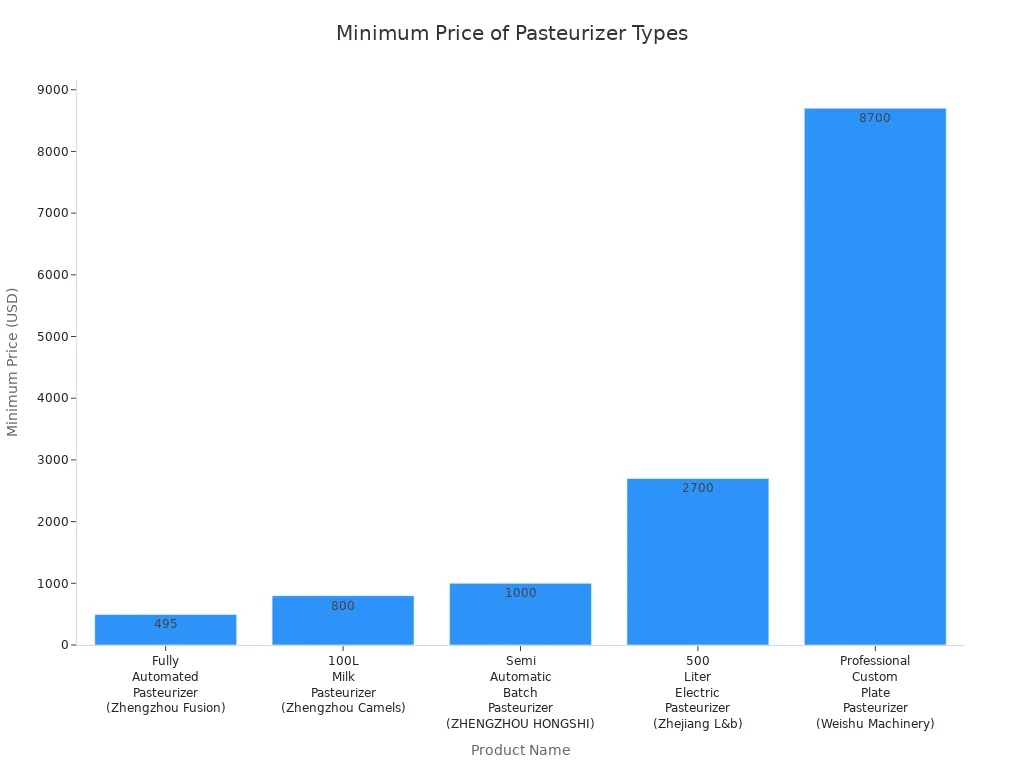
If your budget is small, you can start with a simple pasteurizer. If you want better juice and more pulp, you might need to spend more on tubular pasteurizers. Always think about what your process needs and how much you can spend.
You want to pick the best pasteurizer for orange juice. Use this checklist to help you choose:
Check the pulp content: If your juice has lots of pulp, you need a machine that handles solids.
Look at the viscosity: Thick juice needs special equipment to move and heat it well.
Think about your process scale: Big factories often use tubular pasteurizers. Small shops may use plate pasteurizers.
Consider cleaning and maintenance: Some machines need more cleaning, especially with pulpy juice.
Review your budget: Some pasteurizers cost more at first but save money later.
Focus on energy use: An energy-saving pasteurizer can lower costs and help the planet.
Decide on shelf life: If you want juice to last longer, pick a pasteurizer that kills more germs.
Tip: Write down what you need before you buy. This helps you find the right machine for your juice.
You might still wonder which pasteurizer is best for your juice. Experts use tables like the one below to help you decide:
Pasteurizer Type | Characteristics | Suitable for Pulp Content |
|---|---|---|
Has preheating, sterilization, heat holding, and cooling; used a lot in juice making | Best for juices without lots of fiber or thick texture | |
Tubular Pasteurizer | Used for high flow rates; can handle thicker juice | Good for juices with different pulp levels, depending on design |
You should talk to a supplier or food engineer. They can help you pick the right pasteurizer for your needs. They know how each machine works with different juices. You can ask about new features, like automatic controls or cleaning systems. This helps you get the best results and keeps your juice safe.
You get the best results for pulpy orange juice with a tubular pasteurizer. Plate pasteurizers are better for juice that is clear or has little pulp. When picking pasteurization equipment, think about these important things:
Decision Factor | Description |
|---|---|
Types of Pasteurization | HTST needs you to watch temperature and time closely. |
Quality Control | Good control helps keep juice tasting good. |
Safety Considerations | Pasteurization gets rid of bacteria and keeps juice safe for everyone. |
Pasteurization kills germs and makes juice safe to drink.
The right machine helps your work go well.
If you have a special problem, ask a supplier or expert for help.
Plate pasteurizers have flat metal plates to heat thin juice. Tubular pasteurizers use long tubes for thick or pulpy juice.
It is not good to use a plate pasteurizer for pulpy orange juice. Pulp can block the plates and slow things down.
To clean a tubular pasteurizer, run hot water or cleaner through the tubes. This washes out pulp and keeps juice safe.
Pasteurization can make the juice taste a little different. The process keeps juice safe but may change flavor and nutrients a bit.


