

Views: 0 Author: Site Editor Publish Time: 2025-11-13 Origin: Site


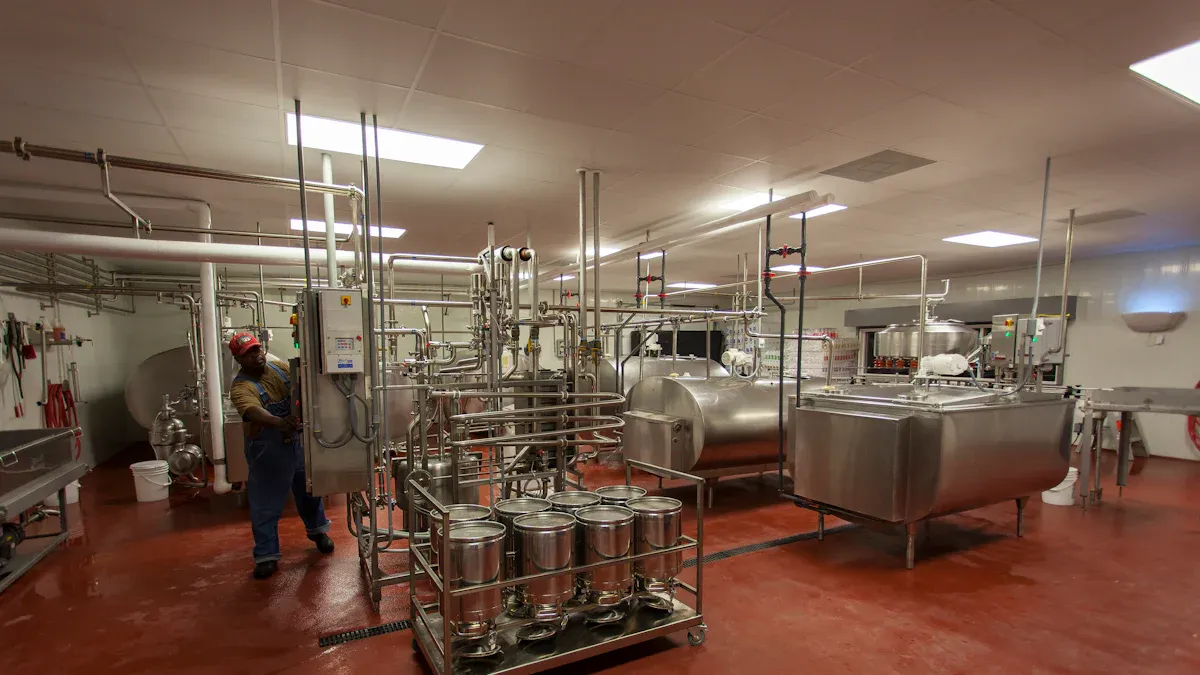
You have many options in the food and drink industry to keep products safe and good. Shelf life is important for any business with drinks, dairy, plant-based drinks, or sauces. Aseptic filling helps keep products fresh without adding preservatives. With aseptic filling, juice, milk, and sauces can stay safe for 6 to 12 months. They also keep their taste and nutrients. Traditional retort filling can make products last longer. But it often needs preservatives and can lower the taste quality. The food and drink industry uses aseptic filling for products that cannot handle strong heat. The way you fill products can change how your products do in the future.
Filling Method | Shelf Life (Months) | Flavor and Nutrient Retention | Preservatives Required |
|---|---|---|---|
Aseptic Filling | 6–12 | Better | No |
Traditional Retort | 12–60 | Degraded | Yes |
Aseptic filling helps juice, milk, and sauces last longer. It keeps them safe for 6 to 12 months without using preservatives.
This method keeps the taste and nutrients better than old ways. It makes sure people get high-quality products.
Aseptic filling means you do not need to keep products cold. You can store them at room temperature. This saves energy and money.
To use aseptic filling, you must clean everything very well. You need to follow strict hygiene rules to stop germs and keep food safe.
Aseptic filling has many good points, but it costs a lot at first. It is also hard to run and needs skilled workers and regular care.
You might wonder how juice, milk, and sauces can stay fresh for months without preservatives. Aseptic processing and packaging makes this possible. This method uses science and careful steps to keep products safe from germs. First, you sterilize the product and the packaging. For example, juices and drinks are heated with ultra-high temperature processing. This kills bacteria but keeps taste and nutrients. At the same time, the packaging is sterilized using special methods.
Aseptic processing and packaging is best for products that cannot take strong heat. You see this with juice, milk, and plant-based drinks. It is also used for soups, broths, tomatoes, wines, teas, and coffee drinks. These products keep their flavor and nutrition because the process is gentle.
Note: Aseptic processing and packaging needs everything to be sterile. You must control the environment, equipment, and workers on the line.
Contamination Sources | Explanation |
|---|---|
Personnel | People can bring germs by moving air or touching things. Training and watching workers helps stop this. |
Components and Supplies | If surfaces are not cleaned well, germs can stay and cause problems during filling. |
Equipment | Good equipment and regular checks stop leaks and filter problems that let in germs. |
There is a clear process to keep products safe. Here are the main steps:
The product and packaging are sterilized. Ultra-high temperature processing kills germs in juice, milk, and sauces. The packaging is also sterilized to remove bacteria.
The sterile product moves to the aseptic filling zone. Pumps and tubes move it without letting in air or germs.
The product is filled into the sterile packaging. This happens in a clean, controlled space. The package is sealed right away to keep it safe.
Aseptic processing and packaging lets you give juice and other sensitive products a long shelf life and high quality. You do not need to add preservatives. You protect taste, nutrition, and safety by following each step in the process.
When you pick a filling method for juice, milk, or sauces, you should think about how each one works. Each method affects your product in different ways. Here is a table that shows the main differences:
Filling Method | Temperature | Shelf Life | Product Suitability |
|---|---|---|---|
Aseptic Fill | 180-220°F | 12 months+ | High acid products, dairy, beverages |
Hot Fill | 194°F | 6-12 months | Non-carbonated beverages, liquid foods |
ESL | N/A | 3 months+ | Various beverages |
Retort | N/A | 2 years+ | Containerized dairy-based foods, beverages |
Hot-fill uses high heat to kill germs in drinks and sauces. The hot liquid goes into the container and gets sealed right away. This works well for products that can handle heat. But hot-fill can change how your product tastes and looks. Aseptic filling uses less heat for a shorter time. Both the product and the package get sterilized before filling. This helps keep more vitamins and flavor in juice or milk. You also get a longer shelf life without using preservatives.
Retort filling uses heat and pressure after sealing the package. This gives a very long shelf life, sometimes up to two years. But strong heat can hurt taste and nutrients. Aseptic processing uses less heat and takes less time. You keep more of the natural flavor and nutrition. You can also use lighter packages, which makes shipping cheaper.
ESL, or Extended Shelf Life, gives about three months of shelf life. These products must stay cold. Aseptic packaging lets you keep products at room temperature for a year or more. You can use cartons, bottles, or pouches. This helps you sell in places where cold storage is not easy to find.
Tip: Aseptic filling lets you use many shapes and sizes for dairy, juice, and sauces. You can meet different customer needs and try new flavors easily.
Aseptic filling is best for products that do not like heat. You keep taste, nutrition, and safety. You also get more packaging choices and can sell in more places.
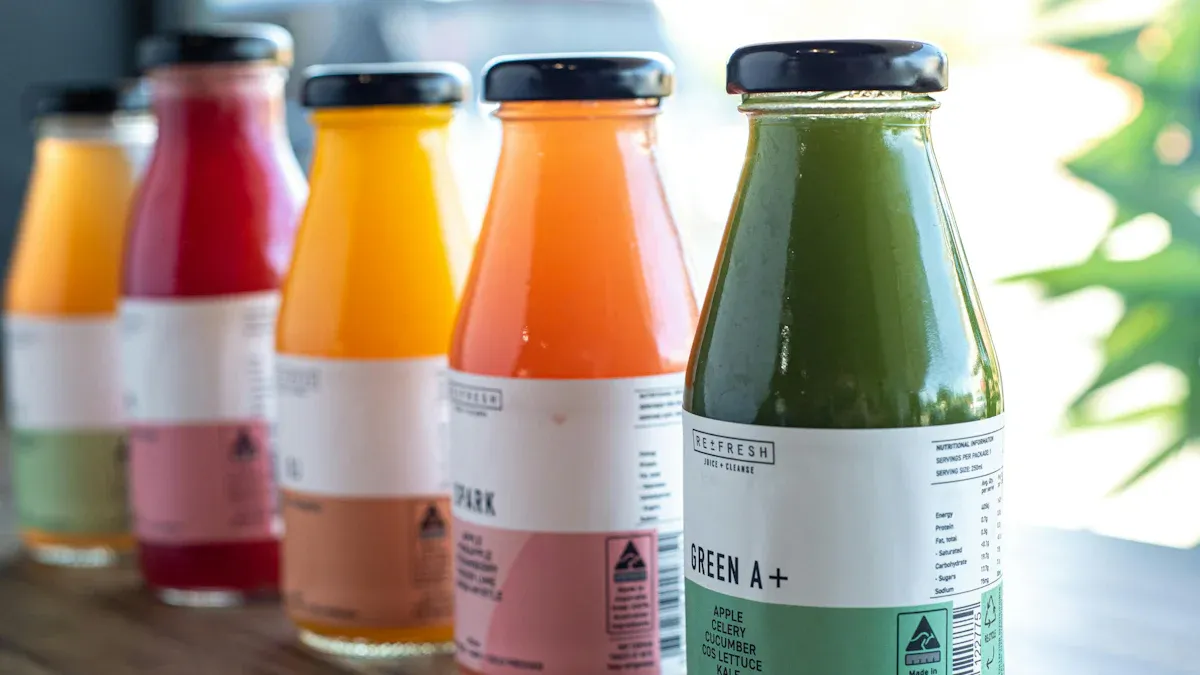
You want your juice, milk, and sauces to stay fresh. Aseptic filling lines help you do this. These machines make products sterile. They can last for months without a fridge. This keeps your food safe from germs and bacteria. You do not have to worry about spoilage or sickness if you follow the steps.
Aseptic packaging makes food last longer and keeps it safe.
You can keep products at room temperature. This saves energy.
Aseptic packaging without preservatives protects your customers and brand.
The process must be completely sterile and written down for safety.
Products stay fresh and good over time if processed right.
Aseptic filling lines help you feel calm. You know your products will be good for customers, even after long storage or travel.
Aseptic filling lines help keep taste and nutrients in your food. These machines heat the product fast and cool it quickly. This gentle way saves vitamins, minerals, and flavors. Your juice, milk, or sauce will taste like it did when made.
Filling Method | Process Description | Impact on Flavor and Nutrients |
|---|---|---|
Aseptic Cold Filling | UHT sterilization, rapid cooling to normal temperature | Keeps natural taste and nutrition |
Hot Filling | UHT sterilization, long heating before filling | Can lower flavors and nutrients |
Aseptic filling lines let you give high-quality, shelf-stable food. You meet what people want: food that tastes fresh and keeps its nutrition. You also stop flavor and nutrient loss that happens with other ways.
You do not need to add chemicals with aseptic filling lines. The process uses high heat to make the product and package sterile. After this, you fill the product in a clean space. This keeps germs out and makes food last longer.
Process Step | Description |
|---|---|
Sterilization | Products are heated very hot (85°C to 150°C) to kill germs. |
Aseptic Packaging | After heating, products are packed in clean places to stop germs. |
Shelf Life | This way lets food last long at room temperature without a fridge or chemicals. |
Product Types | Works for juices, milk, sauces, and other liquid foods, so no chemicals are needed. |
Aseptic filling lines help you give clean-label food. You can sell juice, milk, and sauces with no added chemicals. Customers like the natural taste and feel safe with sterile products.
Aseptic filling lines make production faster. You use special machines that limit people touching the product. This lowers the chance of germs and cuts downtime. Blow-Fill-Seal (BFS) technology uses less space and needs less HVAC equipment. You can make more food in less space and use less energy.
Aseptic filling lines mean less human contact, so fewer germs and less downtime.
BFS systems use less space and HVAC, so you make more food faster.
Old filling lines have more steps, which can cause more downtime when changing or fixing things.
Aseptic filling lines also save energy and materials. You can use lighter bottles or cartons. This lowers shipping costs and helps the environment. You meet what people want: easy-to-store food. More people buy aseptic ready-to-drink drinks every year because they are easy to keep and use.
Tip: Aseptic filling lines help you change quickly. You can try new flavors or sizes with less risk and more choices.
Aseptic filling lines give you a big advantage in food and drinks. You give safe, high-quality, and easy products that people want today.
Aseptic filling lines have many good points, but there are also problems. You will face high costs, hard equipment, and strict rules. These problems can hurt your business if you do not plan well.
Setting up an aseptic filling line costs a lot of money. The price depends on how big your plant is and how fast you want to fill. You pay for the machine, putting it in, and starting it up. You also need money for fixing and spare parts. These costs can get high fast, so you must plan your budget.
Note: Cleaning and sterilizing costs more than with old filling lines. You also need to train your workers to use and fix the machines.
Running an aseptic filling line is hard work. You must keep everything clean and free from germs. This means you need skilled workers who know the machines and how to keep things sterile. Your team must follow rules and fix problems fast.
Some common problems are:
Keeping everything sterile during filling.
Making sure the product stays safe and clean.
Handling thick or thin products the right way.
Stopping the product from drying or dripping.
Avoiding needle clogs, especially if the line stops.
Setting the right filling steps to lower germ risks.
You also need to watch for other problems. For example, you may need to change settings to stop drops from forming. You should learn about your product to stop clogs.
Tip: Clean and sterilize the line often to keep it working well. Check all parts, oil moving pieces, and set the machines right. Training your team helps things run better.
You must follow strict food safety rules with aseptic filling lines. These rules keep your customers and brand safe. You need to check your sterilizing machines and make sure they work every time. All parts must stay clean and free from germs. You must keep good records of cleaning, fixing, and checking quality.
Regulatory Requirement | Description |
|---|---|
Validation of sterilization processes | Test and check that sterilizing machines always work right. |
Maintenance of aseptic conditions | Keep all parts clean and check them often. |
Documentation and record-keeping | Write down all cleaning, fixing, and quality checks. |
Adherence to Good Manufacturing Practices (GMP) | Follow the rules for how your plant is built and run. |
You must also meet higher hygiene rules than with old filling lines. Aseptic machines work in clean rooms and use clean packages. Air filters help keep the area clean. You must work in a Class ISO5 room, as the rules say. ISO 14644-1 sets the rules for air particles, and Europe has more rules for germs.
Remember: Small aseptic filling lines help you meet top food safety rules. They keep things clean and protect your products from germs.
Aseptic filling lines need care all the time. You must clean and sterilize all parts often to stop germs. Regular checks help you find broken parts before they cause trouble. Oiling moving parts keeps things running well. You must set and check the machines to fill each package right. Training your workers helps stop mistakes and delays.
Here are some good ways to care for your line:
Clean and sterilize all parts often.
Check parts for damage.
Oil moving parts.
Set and check the line for correct filling.
Train your team to use and fix the machines.
If you see bubbles or leaks, check the nozzle and change the heat or pressure. If you think there are germs, stop the line and check the cleaning machines right away.
Aseptic filling lines take a lot of time, money, and skill. You must always pay attention and follow the rules to keep your products safe and good.
Aseptic filling helps food last longer and keeps more nutrients. It also cuts down on waste. But it costs a lot and uses hard systems. Think about these things before you choose this method:
Make sure the machine can fill as much as you need.
See if it can work with many kinds of products.
Pick the best way to sterilize your food.
Check if the machines work well together and run by themselves.
Look at how easy it is to fix and get help.
Trend | Description |
|---|---|
Sustainability | More people want packaging that is good for Earth. |
Technology Advances | Robots and smart computers make work faster and better. |
Food Sector Growth | People want more safe food that lasts longer. |
Aseptic filling will keep getting better as new tools and needs come up.
You can use aseptic filling for juices, milk, plant-based drinks, sauces, soups, and broths. This method works best for liquids that spoil easily or lose quality with strong heat.
Aseptic filling uses high heat to kill germs in both the product and the package. You fill and seal everything in a clean space. This process keeps your food safe from bacteria.
No, you do not need to refrigerate these products before opening. You can store them at room temperature. After opening, you should keep them in the fridge and use them soon.
You can choose cartons, plastic bottles, or pouches. Aseptic filling lets you pick many shapes and sizes. This helps you meet different customer needs and try new ideas.


